



How to Keep Horses Cool in a UK Heatwave
British summers seem to be changing. Temperatures that once felt exceptional are becoming far more common and many UK horse owners are now managing prolonged spells of 30°C plus. Most of us check the weather app multiple times a day, and when amber and red heat warnings begin appearing day after day, it's hard not to feel concerned about how our horses are going to cope.
After a few recent summers of filling extra troughs, shifting turnout times and abandoning riding plans altogether, one thing has become clear: flexibility is often the key to keeping horses comfortable.
Here's how to help your horse stay safe and cool during a UK heatwave.
Prioritise Water Above Everything Else
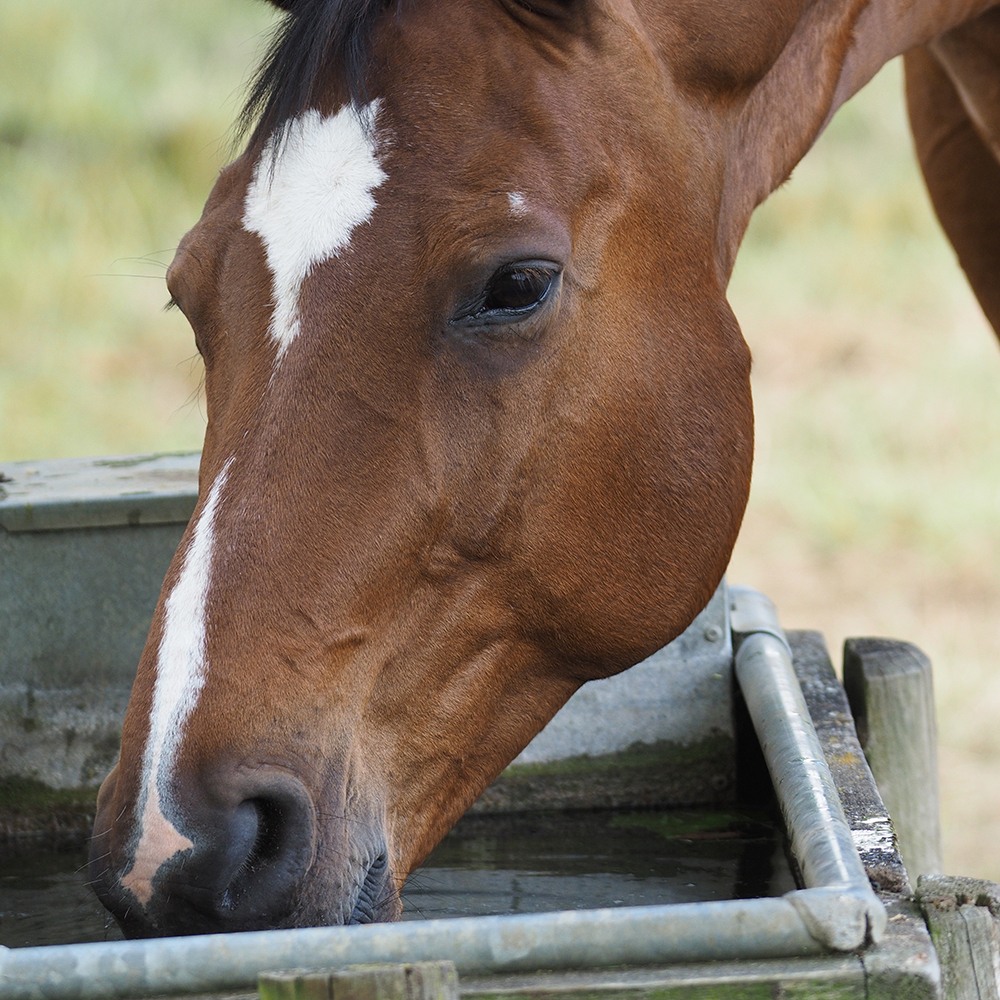
When temperatures soar, water becomes your horse's most important resource.
A horse can drink anywhere from 25 to over 50 litres per day in hot weather, with heavily exercised horses requiring considerably more. Sweating increases fluid losses rapidly, so checking water supplies once daily simply isn't enough during a heatwave. Trusted welfare organisations including the RSPCA recommend horses have constant access to clean, fresh water at all times.
Practical yard checks include:
- Scrub troughs regularly to prevent algae growth
- Check automatic drinkers are functioning properly
- Refill buckets and troughs more frequently than usual
- Provide multiple water sources where possible
- Monitor individual drinking habits
At grass, it's worth remembering that a trough which easily copes for a week in spring may run dry in a single day during a heatwave.
Review Your Turnout Routine
Many UK owners find that overnight turnout works best during extreme heat.
Turning horses out from late afternoon until early morning allows them to graze and move around when temperatures are significantly cooler. Horses can then be brought into well-ventilated stables or shaded barns during the hottest part of the day.
Of course, not every yard can offer overnight turnout and some horses simply settle better on their usual routine. The important thing is ensuring horses always have access to effective shade.
Suitable shelter could include:
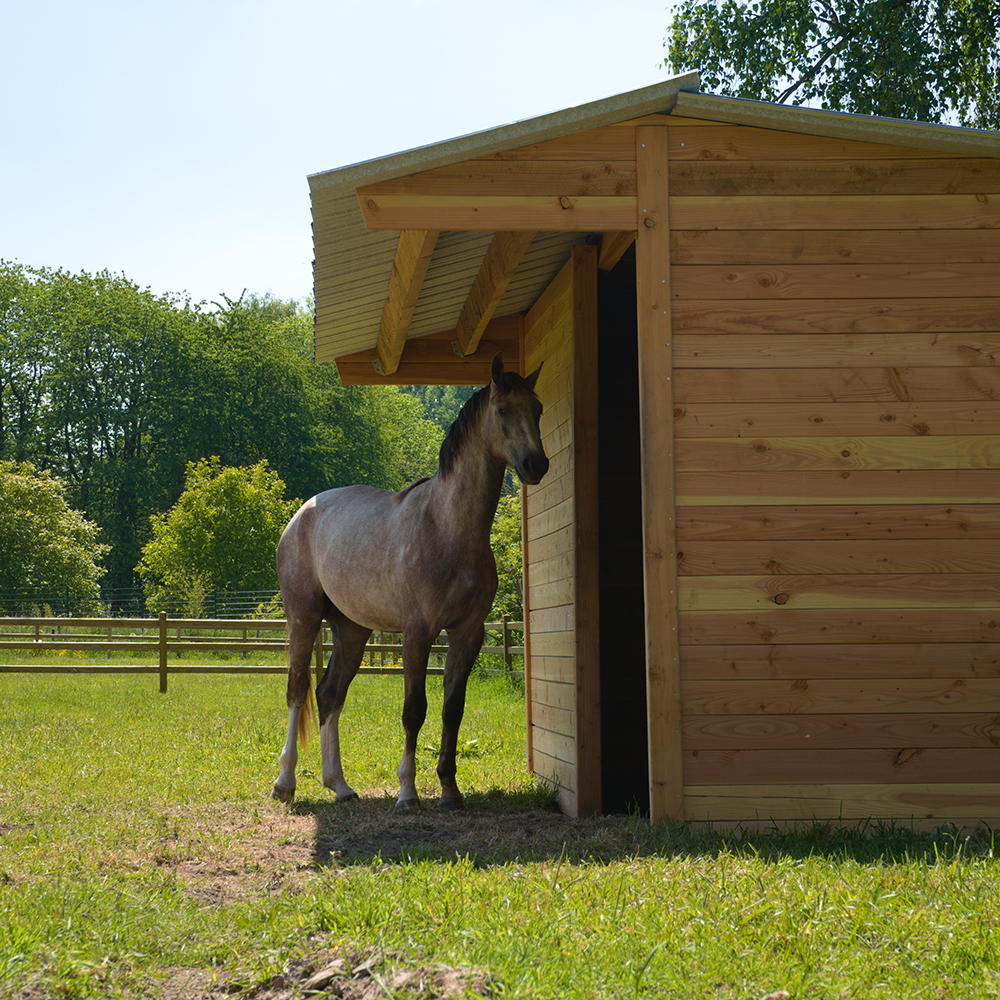
- Field shelters
- Well-positioned hedges
- Mature trees
- Open, airy barns
The British Horse Society advises ensuring horses have access to shelter and reviewing rug use carefully during hot weather.
Is Field Shade Enough?
Not always.
A single tree in a large field may not provide sufficient shade for multiple horses and the shaded area moves throughout the day. Watch your horses. If they're clustering around gateways, standing motionless in direct sun or refusing to graze, they may be struggling to stay comfortable.
Rethink Rugs During a Heatwave
Heatwaves often leave owners balancing fly protection against temperature regulation.
In very hot weather, some fly rugs can contribute to overheating, particularly heavier styles or poorly fitting rugs. The BHS recommends reassessing whether rugs are necessary and, if fly protection is essential, choosing lightweight, breathable designs.
From experience, many horses are noticeably more comfortable without rugs during extreme temperatures, particularly native breeds and good doers.
However, horses with:
- Sweet itch
- Photosensitivity
- Pink skin prone to sunburn
- Significant fly sensitivity
may still require protection.
If rugging is necessary, look for:
- Lightweight mesh fabrics
- UV protection
- Excellent breathability
- Light colours
- Generous shoulder and neck freedom
Check beneath rugs regularly. If your horse feels hot or damp underneath, reassess.
Keep Stables Cool and Airy
A stable can offer welcome relief from the sun, but only if it remains cool.
Shut stable doors and windows exposed to direct afternoon sun and maximise airflow wherever possible (when the horse is not in the stable of course).
Simple changes can make a significant difference:
Improve Ventilation
- Open top doors and windows safely
- Use grills or mesh doors to increase airflow
- Position stable fans safely out of reach
- Remove unnecessary stable rugs
Avoid draping damp towels over horses in the stable. Equine vets advise this can trap heat rather than aid cooling.
Adapt Your Riding and Exercise Plans
Sometimes the best decision is not to ride.
Even fit horses generate huge amounts of internal heat during exercise. Veterinary research shows horses can accumulate body heat rapidly, particularly in hot and humid conditions.
During a UK heatwave:
- Ride early in the morning or late evening if it is cool enough
- Reduce intensity and duration
- Build in frequent walk breaks
- Avoid schooling in full sun
- Consider hacking in shaded areas
- Skip fast work if conditions feel oppressive
There is no single temperature at which riding becomes unsafe. Humidity, fitness, acclimatisation, age and underlying health conditions all play a role.
If your horse feels lethargic before you even tack up, trust your instincts. Missing a ride is far preferable to managing heat stress.
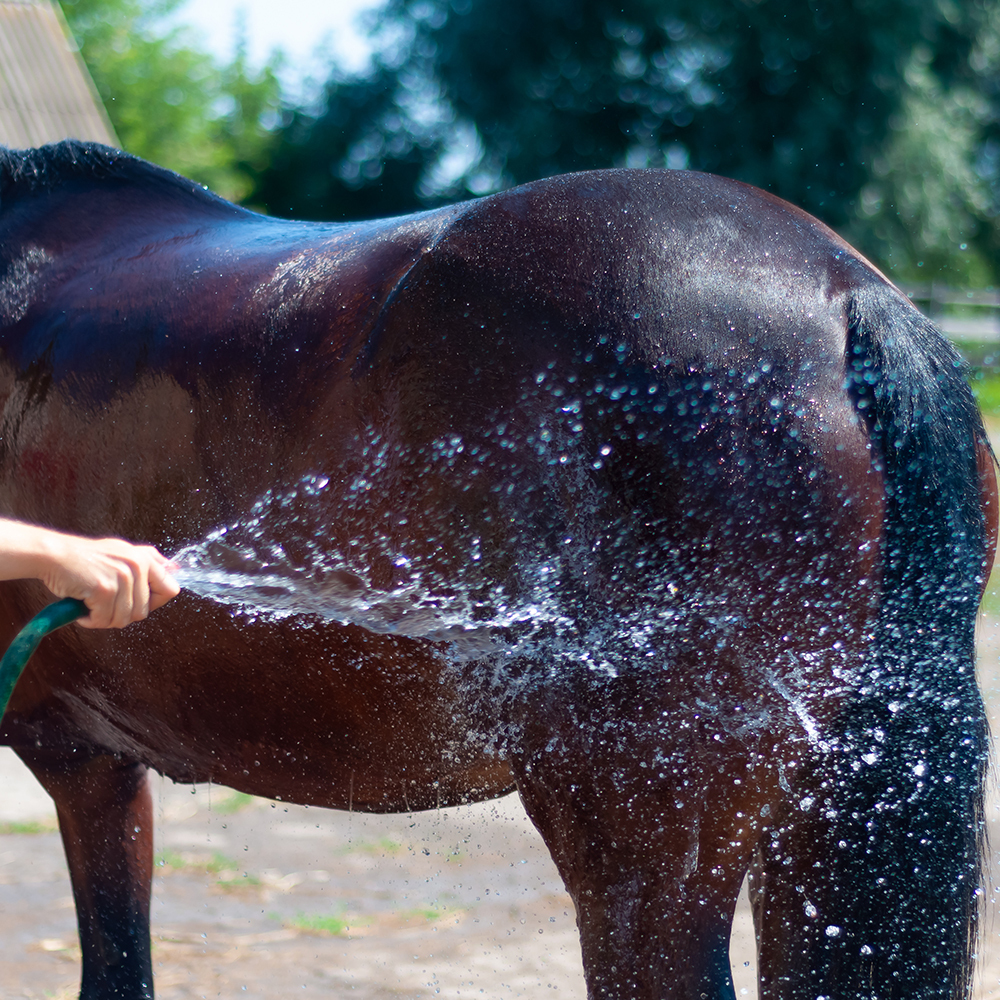
Use Cold Water Correctly
There's still plenty of debate on yards about whether cold hosing can cause muscles to cramp.
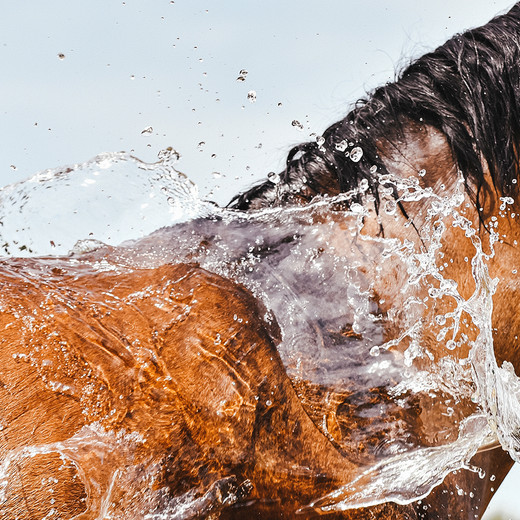
Current veterinary advice is clear. If a horse is overheated, cold water should be used promptly and generously. The RSPCA advises pouring large amounts of water over the horse and continuing cooling efforts if heat exhaustion is suspected.
For horses that have exercised:
- Hose the entire body using cool water.
- Concentrate on large muscle groups.
- Repeat until the horse's breathing and recovery improve.
Standing horses in a breeze or near a fan can further improve cooling.
Consider Electrolyte Losses
Sweating doesn't just mean fluid loss.
Horses also lose essential electrolytes including sodium, potassium and chloride. Horses in moderate to hard work during a heatwave may benefit from electrolyte supplementation, particularly if sweating heavily.
For horses living quietly at grass, a plain salt lick and access to fresh water is often sufficient.
Always introduce supplements gradually and ensure horses are drinking well before feeding electrolytes.
Know the Signs of Heat Stress
One of the most important skills for horse owners during a heatwave is recognising when something isn't right.
Warning signs include:
- Excessive or prolonged sweating
- Rapid breathing that doesn't settle
- Increased heart rate
- Lethargy or unusual dullness
- Reluctance to move
- Muscle tremors
- Stumbling or incoordination
- Weakness or collapse
If you suspect heat exhaustion or heatstroke:
- Stop exercise immediately
- Move the horse into shade
- Begin active cooling with water
- Encourage drinking if the horse is able
- Contact your vet without delay
Heat-related illness can become life-threatening quickly and early veterinary intervention is essential.
Some Horses Need Extra Support
Certain horses may struggle more during heatwaves, including:
- Senior horses
- Native breeds carrying excess weight
- Horses with PPID or EMS
- Very young horses
- Horses travelling or competing frequently
- Poor doers with underlying illness
These horses often benefit from closer monitoring, reduced workloads and more conservative management during prolonged hot spells.
Ultimately, no two horses cope with heat in exactly the same way. The horse charging around the field at midday may be perfectly happy, while the normally enthusiastic eventer in the next stable suddenly looks flat and tired.
Knowing your horse's normal behaviour remains one of the most valuable welfare tools you have.
FAQs
Should horses stay in or out during a heatwave?
There's no universal answer. Many horses are happiest with overnight turnout and daytime stabling during extreme heat, provided stables remain cool and well ventilated. Horses living out need reliable shade and plenty of fresh water.
When is it too hot to ride a horse in the UK?
Temperature alone doesn't tell the whole story. Humidity, fitness, workload and acclimatisation all matter. During heatwaves, many owners reduce intensity, ride early or late, or give horses complete rest days.Trust your instincts, postponing your plans is often the kindest option.
Should you scrape after cold hosing a horse in a heatwave?
No - during a heatwave, current evidence suggests you should prioritise repeatedly applying cool water and allow it to remain on the horse rather than immediately scraping it off. Continuous cold water application removes heat more effectively than stopping to scrape between each application. Gentle walking or standing the horse in a breeze or in front of a fan can further improve cooling.
Should you put a fly mask and rug on during a heatwave?
A fly mask can usually still be worn during a heatwave if it is lightweight, well-fitting and checked daily. Fly rugs should be used more cautiously: in very hot weather, heavy or poorly ventilated rugs can increase the risk of overheating. If fly protection is essential due to sensitivities, choose a lightweight, breathable, light-coloured and UV resistent fly rug. It is essential to alwats ensure the horse has access to shade and plenty of water.
Do horses need electrolytes in hot weather?
Not always. Horses in regular work or sweating heavily often benefit from electrolyte replacement. Horses at grass with light workloads may only require free access to salt and fresh water.
Can horses get sunburn?
Yes. Horses with pink skin, white markings or sparse coats are particularly susceptible. Equine-safe sun cream and UV-protective fly rugs can help protect vulnerable areas.
Should I hose my horse with cold water after exercise?
Yes. Current veterinary guidance supports using cold water to cool overheated horses. Repeatedly apply cool water and scrape it away to maximise cooling.
Heat stress can become an emergency quickly. If you're worried about your horse at any stage, contact your vet for advice as soon as possible.
Discover more Summer Horse Care tips here.
