



Caring for your horse during summer
Jun 18th 2020
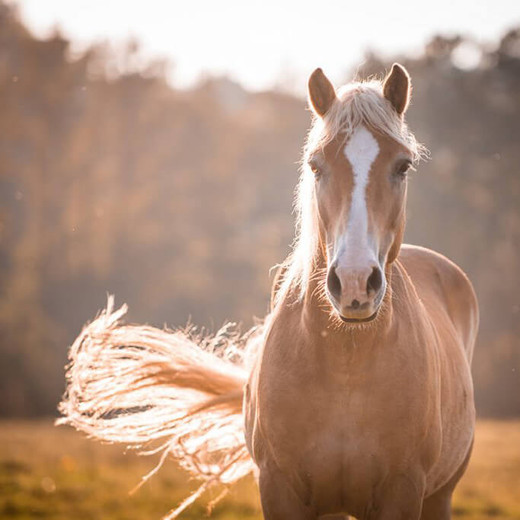
Summer Horse Care: Keeping Your Horse Happy & Healthy
Summer with horses can be lovely. Longer evenings, lighter mornings and considerably less mud are usually welcome after a British winter. But warmer weather brings its own set of jobs to the yard too.
Good summer horse care isn't just about keeping horses cool. Grazing changes, flies appear in force, pink noses need protecting and water troughs suddenly seem to empty far quicker than they did a few months ago.
For most horses, you don't need to completely change their routine as soon as the sun comes out. It's more about keeping an eye on the weather, your grazing and your individual horse, then making sensible adjustments as conditions change.
Here's what we'd be thinking about on the yard throughout a typical UK summer.
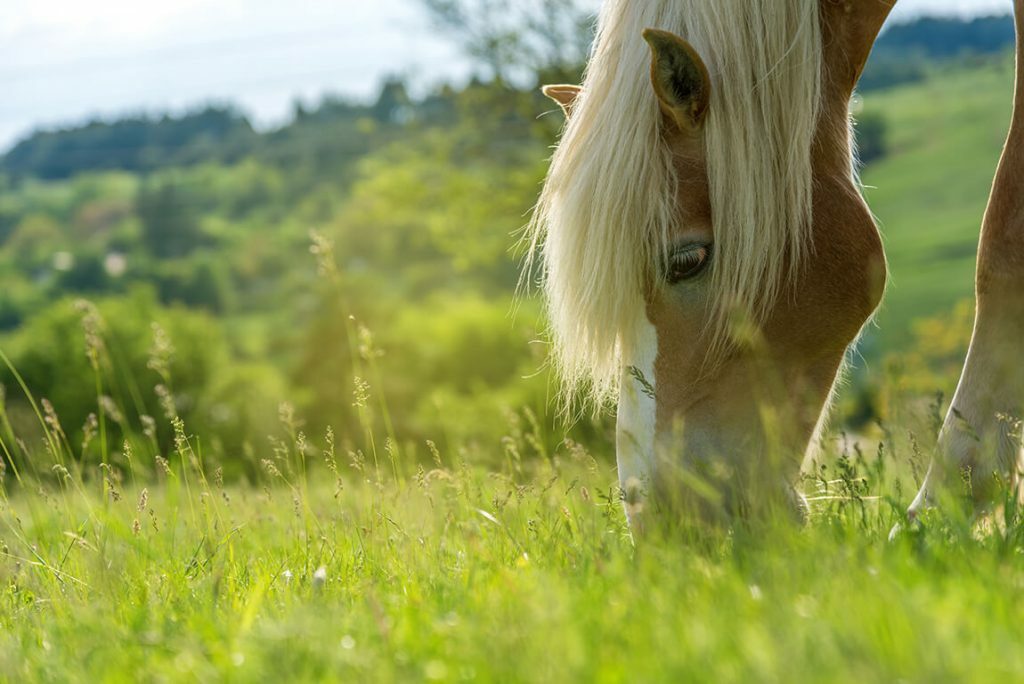
Keep a close eye on summer grazing
One of the biggest changes for many horses during spring and summer is their access to grass.
Good quality pasture can provide a significant proportion of a horse's nutritional requirements, so don't assume that every horse needs the same hard feed throughout the year.
Good doers, native breeds and horses prone to laminitis may need particularly careful management as grazing improves. Depending on the horse, this might involve restricted grazing, shorter turnout periods or using a correctly fitted grazing muzzle.
At the other end of the scale, older horses, poor doers and horses in harder work may still require additional forage and feed despite having access to summer pasture.
There's no single "summer diet" that suits every horse.
The best approach is to keep monitoring body condition, workload and grazing rather than simply cutting feed because the weather is warmer.
If you do need to alter your horse's diet, make changes gradually. Sudden changes to forage, hard feed or grazing can upset the digestive system.
Yard tip: Summer grass can change surprisingly quickly. A horse that looked spot-on a few weeks ago can start gaining weight before you've really noticed, particularly when you're seeing them every day. Regular body condition scoring or using a weigh tape gives you something more objective to work with.
Make fresh water your summer priority
Access to clean, fresh water is essential throughout the year but horses may drink considerably more during warm weather, especially when they're exercising or sweating.
Rather than working to one fixed number of litres, concentrate on making sure fresh water is always available.
For a horse living out, that means checking troughs regularly rather than assuming they'll last until the following day. Hot weather, several horses sharing a trough or a leaking field drinker can change things very quickly.
It's also worth physically checking automatic drinkers. A bowl that looks full doesn't necessarily mean the water is replenishing quickly enough.
Keep troughs and buckets clean too. Algae, dirt and old feed dropped into water can make it considerably less appealing.
You can also add water to suitable feeds or soak forage where appropriate if you're trying to increase your horse's water intake.
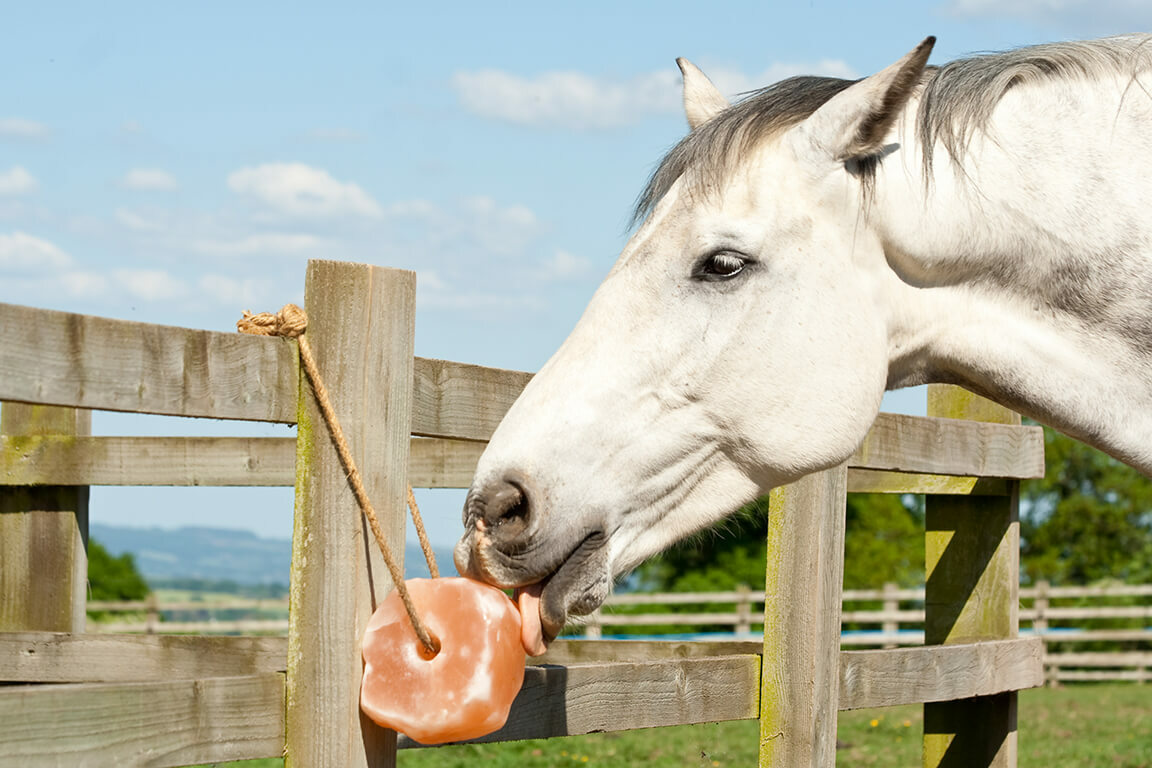
What about salt and electrolytes?
Horses lose both water and electrolytes through sweat.
A horse living quietly at grass will have very different requirements from one schooling, competing or travelling regularly through the summer, so electrolyte supplementation isn't automatically necessary simply because the weather is warm.
Most horses should have access to salt as part of a correctly balanced diet. Horses sweating heavily through exercise may require additional electrolyte replacement.
Always follow the manufacturer's feeding instructions and make sure your horse has unrestricted access to fresh water when using electrolytes.
For more advice specifically on managing horses when temperatures become unusually high, read our guide to keeping horses cool during a UK heatwave.
Work out the best summer turnout routine for your horse
There’s no one summer turnout routine that suits every horse. Some are perfectly happy living out 24/7, while others are more comfortable stabled during the day and turned out overnight. Your grazing, shade, stable setup, flies and your individual horse will all play a part.
Fields should ideally provide access to shade, whether that's from trees, hedges or a suitable field shelter. Remember that the position of the sun changes throughout the day, so the shady corner at 8am may offer very little protection by mid-afternoon.
For horses bothered by flies or particularly strong sunshine, reversing their normal routine can work well. Turning out overnight and bringing them into a cool, well-ventilated stable during the hottest and flyiest part of the day can make them considerably more comfortable.
Equally, a stuffy stable isn't automatically cooler than a field simply because it's indoors. Ventilation, shade, water access and your individual horse all matter.
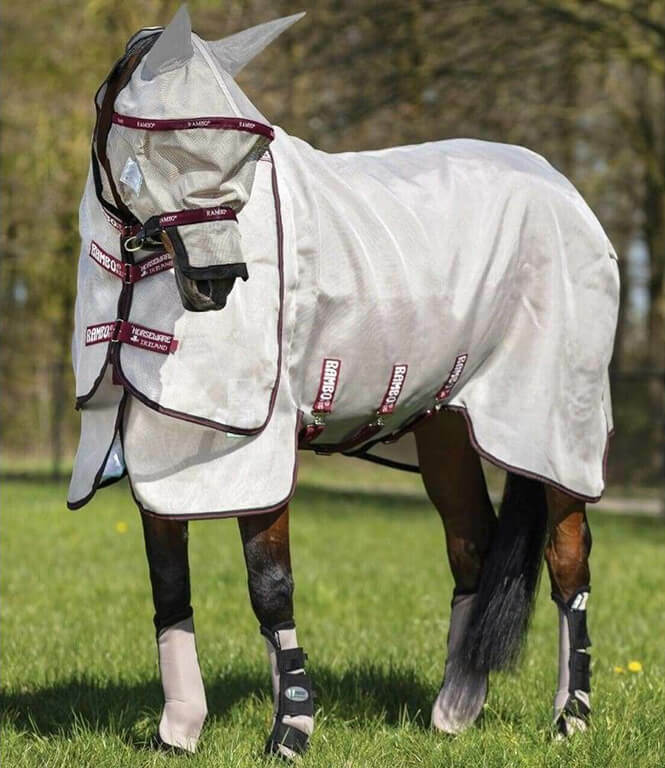
Protect your horse from flies
If there's one thing guaranteed to test everyone's patience during summer, it's flies.
Some horses barely seem to notice them while others become genuinely distressed. Head shaking, stamping, rubbing and constantly swishing the tail aren't just irritating to watch. Persistent flies can make it difficult for a horse to relax, graze or rest comfortably.
A combination of protection usually works better than relying on one product alone.
Depending on your horse, this might include:
- A well-fitting fly mask
- A lightweight fly rug
- Fly spray
- Fly fringes
- Stable or field management
- Extra protection for horses affected by sweet itch
Browse our Fly & UV Protection range for fly masks, rugs, sprays and other summer essentials.
Don't just put a fly rug on and forget about it
Fly rugs can be brilliant, particularly for horses with sweet itch or very sensitive skin, but they still need checking.
Make sure the rug is lightweight, breathable and fits properly. Check underneath it every day for rubbing, sweating, skin irritation or trapped flies.
On exceptionally hot days, it's worth reassessing whether your horse still needs to be rugged at all.
That's particularly important during a heatwave, when keeping the horse cool may need to take priority over normal fly protection.
Don't forget sun protection
Horses can get sunburn too.
Pink skin is particularly vulnerable, so noses and white facial markings are common trouble spots. Horses with areas of pink skin elsewhere on the body may also need protection.
Providing shade and avoiding long periods in intense midday sunshine can help. An horse-safe sun cream can be applied to vulnerable areas and some lightweight fly rugs and masks provide UV protection too.
If your horse develops persistent redness, cracking, soreness or unusually severe photosensitivity, speak to your vet rather than assuming it's simply normal sunburn.
Adjust riding around the weather
One of the joys of summer is finally being able to ride without battling darkness, rain and frozen fingers. Unfortunately, the hottest part of the day isn't always the best time to make the most of it.
On warmer days, early mornings and evenings are usually more comfortable for both horse and rider.
How much work is appropriate depends on more than the number showing on the thermometer. Humidity, fitness, intensity, duration, travelling and ground conditions all make a difference.
Be prepared to shorten a schooling session, swap fast work for a gentle hack or simply give your horse the day off.
A missed schooling session really isn't going to undo months of work.
If your horse has worked up a sweat, remove tack promptly and cool them appropriately. Keep an eye on how quickly their breathing returns towards normal and make sure water is readily available.
During periods of extreme heat, you'll need to be more proactive about cooling and exercise management. Our horse heatwave advice explains when to reconsider riding, how to cool a hot horse effectively and the signs of heat stress to watch for.
Check tack, pads and boots during summer
Sweat can turn perfectly comfortable tack into something irritating surprisingly quickly.
After riding, check beneath the saddle, girth and bridle for areas of rubbing or excessive heat. Sweat and grit can accumulate underneath tack and increase the chance of sore skin.
Keep saddle pads clean and choose breathable options where possible during warmer weather.
Boots should be checked too. Some horses get very warm underneath thick brushing or tendon boots, particularly during longer schooling sessions.
That doesn't mean removing protection your horse genuinely needs. It's simply another reason to consider whether every piece of kit you're using is necessary for that particular session.
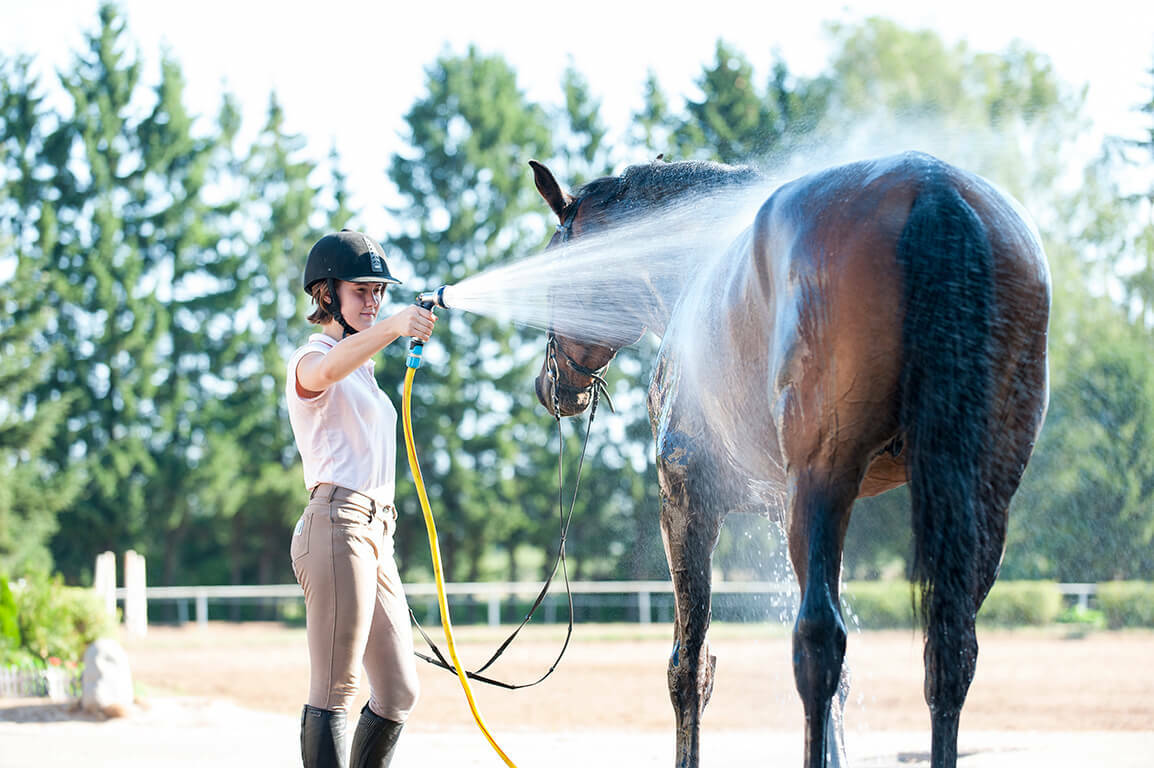
Give sweaty skin a little extra attention
Warm weather usually means more washing.
Rinsing sweat away after exercise can help keep your horse comfortable but repeated bathing can also affect the natural oils in the coat and skin.
You don't need to shampoo your horse every time they get sweaty. A good rinse with water is often enough after everyday exercise, saving shampoo for occasions when it's actually needed.
Pay extra attention to areas underneath the girth, saddle and between the hind legs where sweat can collect.
Summer is also a good time to keep an eye out for rubbing, insect bites, sweet itch and other changes to the skin that might be hidden underneath rugs or tack.
Keep checking hooves through dry weather
We often associate hoof problems with wet, muddy winters but summer brings its own challenges.
Ground can go from soft to rock hard surprisingly quickly during a prolonged dry spell. That change can affect hoof wear and horses with sensitive soles may become noticeably less comfortable.
Hooves may also appear drier as the weather changes, although constantly applying products isn't necessarily the answer. Good nutrition, appropriate trimming or shoeing and regular monitoring remain the foundations of healthy feet - all explained in our top tips for healthy hooves guide.
Pick feet out daily and keep an eye out for cracks, loose shoes, changes around the frog and anything unusual.
If something doesn't look right, your farrier is usually the best person to ask before reaching for another tub of hoof dressing.
Know when warm weather becomes more serious
Normal summer management and managing a genuine heatwave aren't quite the same thing.
During prolonged periods of very hot or humid weather, horses can struggle to lose body heat effectively. Excessive or prolonged sweating, rapid breathing that doesn't settle, weakness, dullness, unsteadiness or a horse that simply doesn't seem right should never be ignored.
If you're concerned that your horse is showing signs of heat-related illness, stop exercise, begin cooling them and contact your vet promptly.
Summer horse care is mostly about staying flexible
British summer has a habit of giving us 13°C and rain one week followed by blazing sunshine the next.
That's why the best summer routine is rarely a rigid one.
Keep checking your horse, their weight, water, grazing, skin, feet and how comfortable they actually look. Sometimes the right decision will be overnight turnout. Sometimes it'll be removing a fly rug. Sometimes it'll simply be skipping a ride because the weather has other ideas.
Your horse doesn't know what your summer routine is supposed to look like. They'll tell you whether it's working.
Summer Horse Care FAQs
Should I change my horse's feed during summer?
Not automatically. Some horses need less supplementary feed when summer grazing improves while others, particularly horses in harder work or poor doers, may still need additional calories and nutrients. Monitor your horse's body condition and workload and make any dietary changes gradually.
Should horses be turned out during the day in summer?
It depends on the horse, field and weather. Horses with access to shade and plenty of fresh water may be perfectly comfortable outside. Horses that struggle with flies or strong sunshine may prefer overnight turnout and daytime stabling. The stable needs to be cool and well ventilated for this to be beneficial.
Does my horse need electrolytes every day in summer?
Not necessarily. Horses lose electrolytes through sweat, so horses working and sweating regularly may need additional replacement. A horse doing very little work won't necessarily need an electrolyte supplement simply because it's summer. Always ensure fresh water is available and follow feeding guidance.
Should my horse wear a fly rug all summer?
Only if they need one. Fly rugs are particularly useful for horses affected by sweet itch, flies or UV exposure but they should be lightweight, breathable and checked daily. During very hot weather, reassess whether your horse is more comfortable with or without a rug.
Can horses get sunburn?
Yes. Pink skin is particularly vulnerable, especially around the nose and white facial markings. Shade, equine-safe sun protection and suitable UV-protective rugs or masks can help. Persistent or severe skin reactions should be discussed with your vet.
