



Top tips for looking after your horse’s hooves
Jun 9th 2020
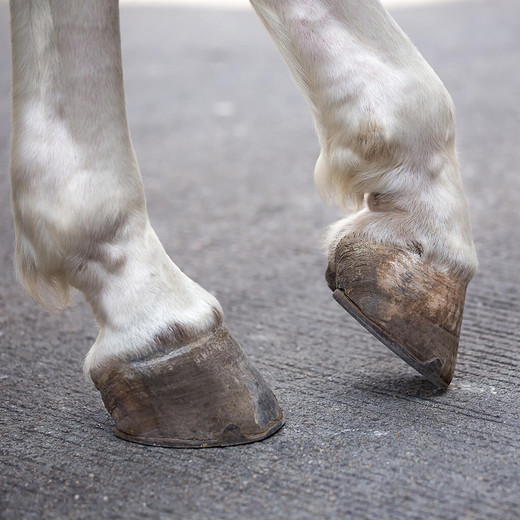
How to Look After Your Horse’s Hooves
Looking after your horse’s hooves doesn’t need to involve an elaborate routine. For most owners, the foundations are surprisingly simple: pick their feet out every day, learn what is normal for your horse, keep up with farrier appointments and pay attention when something changes.
It’s one of those small yard jobs that can tell you an awful lot. A loose shoe, unusual smell, stone wedged beside the frog or small crack is far easier to deal with when you spot it early rather than discovering it because your horse suddenly feels uncomfortable.
Here’s what should be part of your everyday hoof care routine.
A Quick Guide to Your Horse’s Hoof
You don't need to know every structure inside the foot to look after it properly, but recognising the main areas makes checking your horse’s hooves much easier.
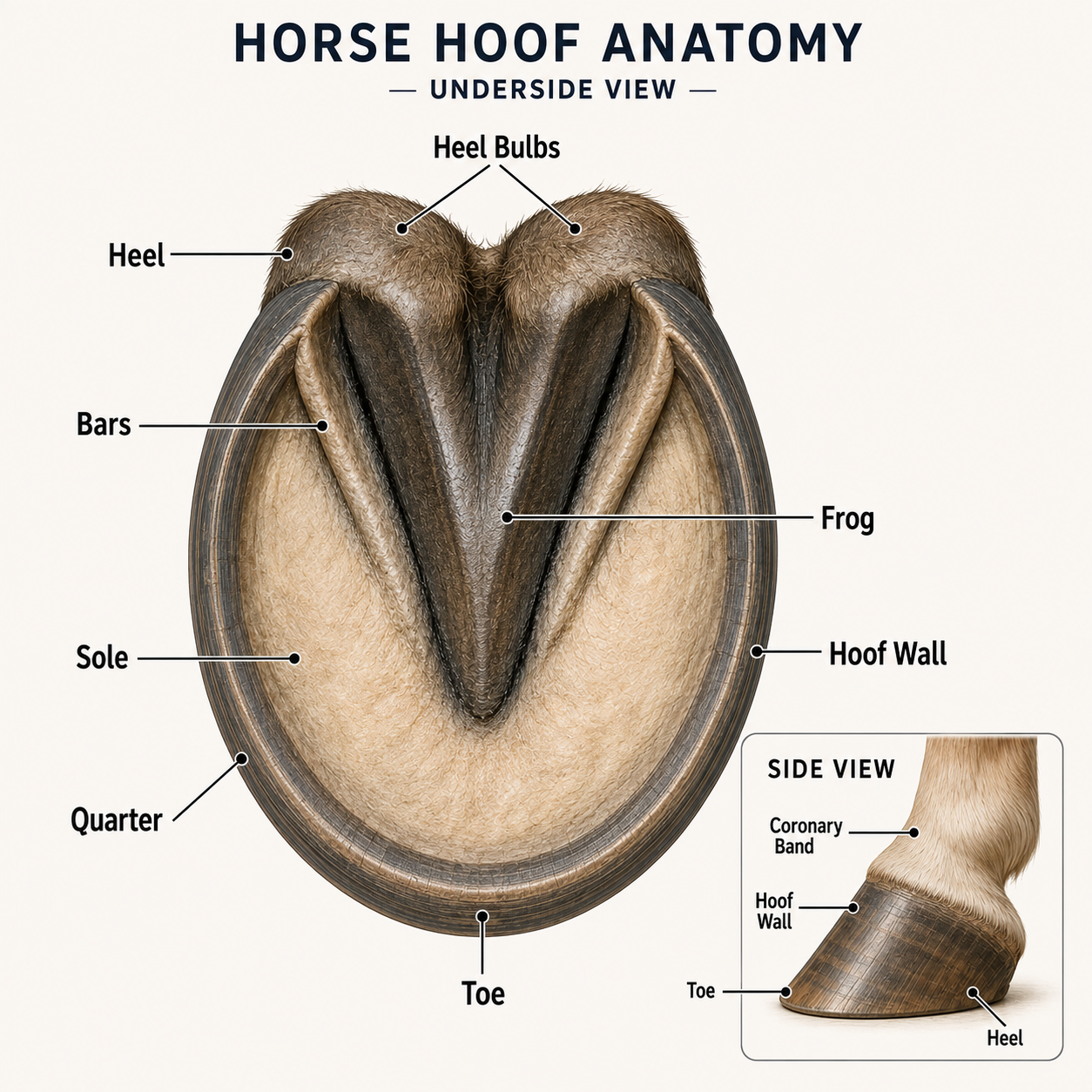
The hoof wall is the hard outer part you see when the horse is standing. It grows downwards from the coronary band at the top of the hoof.
Underneath, you'll see the sole and the softer, V-shaped frog running through the centre towards the heel.
Each has an important job, which is why changes such as cracks in the hoof wall, damage around the frog or tenderness in the sole are worth paying attention to.
The important thing is not to compare your horse’s feet with the neatest set of hooves you’ve seen on Instagram. Hoof shape naturally varies between horses. Get familiar with what is normal for your horse so that new changes stand out.
Pick Out Your Horse’s Hooves Every Day
If you only make one hoof-care habit non-negotiable, make it this one.
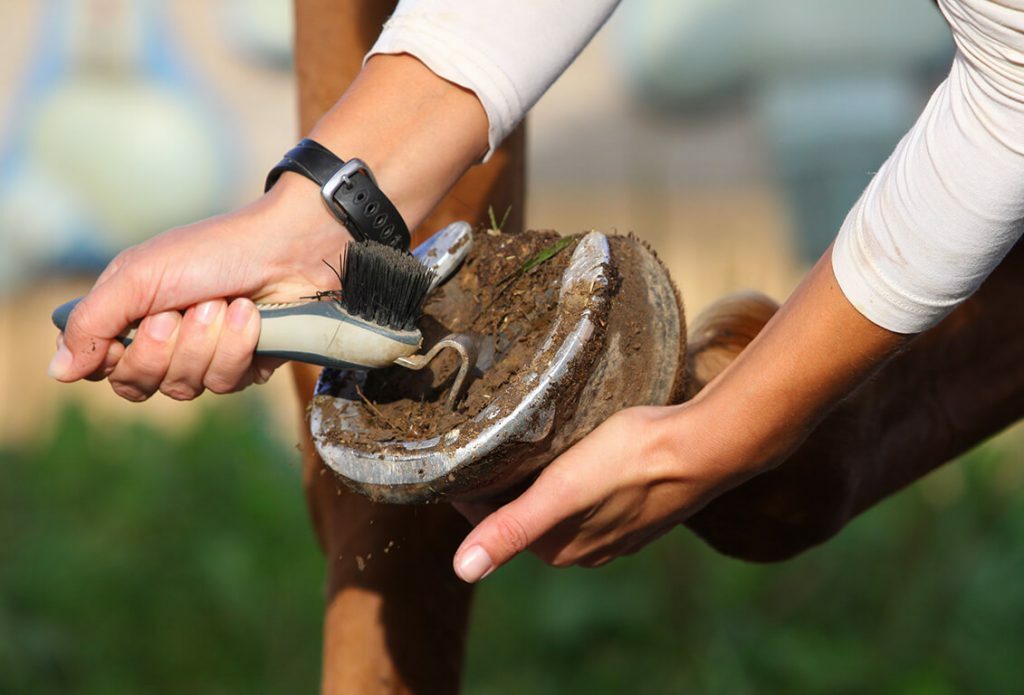
Your horse’s feet should be picked out at least once a day. It also makes sense to check them before riding and again after working over particularly muddy, stony or uneven ground.
Use a hoof pick to remove packed mud, bedding, stones and other debris.
Work carefully from heel towards toe and clean around either side of the frog without digging aggressively into the softer tissue.
This isn't just about keeping the foot tidy. You're checking what's going on while you're there.
What should you check when picking out your horse’s feet?
Look for:
- Stones or debris lodged in the foot
- New cracks or splits
- Sections of hoof beginning to chip away
- A loose, twisted or missing shoe
- Raised clenches
- Damage around the frog
- An unusual or foul smell
- Black discharge around the frog
- Any puncture or foreign object
- Your horse suddenly becoming unusually sensitive when you handle a particular foot
You'll soon get used to how each foot normally looks. That everyday familiarity is useful because often it is a change that matters more than whether a hoof looks textbook-perfect.
Don't Stretch Out Farrier Appointments
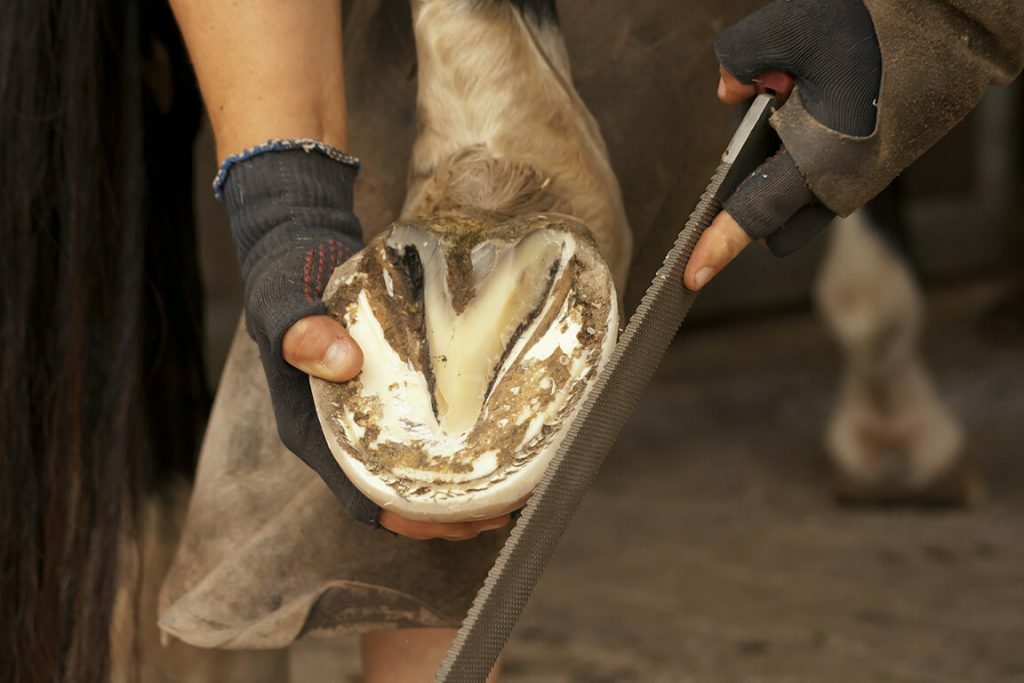
Even horses with naturally good feet need regular professional attention.
How often your horse needs trimming or shoeing depends on the individual. Their hoof growth, whether they're shod or barefoot, workload, conformation, time of year and the surfaces they're working on can all make a difference.
Shod horses are commonly seen around every four to six weeks, while some barefoot horses can go longer between trims. Your farrier is the best person to establish an appropriate cycle for your horse.
And no, giving your horse a quieter few weeks doesn't mean their feet have stopped growing.
Youngsters, retired horses, broodmares and horses having time off still need their feet regularly checked and trimmed.
If you'd like to understand more about farrier schedules, hoof balance and the common mistakes owners make between appointments, read our expert hoof care advice with farrier Sam Dracott.
That article goes much deeper into the farrier's perspective, while the important takeaway here is simple: keep your appointments regular and don't wait for a problem before booking one.
Pay Attention to Wet and Muddy Conditions
British horse owners rarely get the luxury of perfect ground for long.
A bit of mud is part of owning horses, but prolonged wet, dirty conditions can soften the hoof and create an environment where problems such as thrush are more likely to develop.
Thrush commonly affects the frog and can initially show up as a strong unpleasant smell or dark discharge when you pick the foot out.
During particularly wet periods:
- Pick feet out thoroughly every day
- Keep stables and bedding as clean and dry as possible
- Provide access to a drier standing area where practical
- Pay particular attention to the frog and heel area
- Speak to your farrier if the frog starts looking unhealthy or your horse becomes sore
Don't assume that every slightly untidy frog is thrush, though. Hooves aren't always pristine, particularly after months of wet turnout. If you're unsure, your farrier can normally tell you very quickly whether you're looking at normal shedding tissue or something that needs treating.
Don't Forget Hoof Care in Hot, Dry Weather
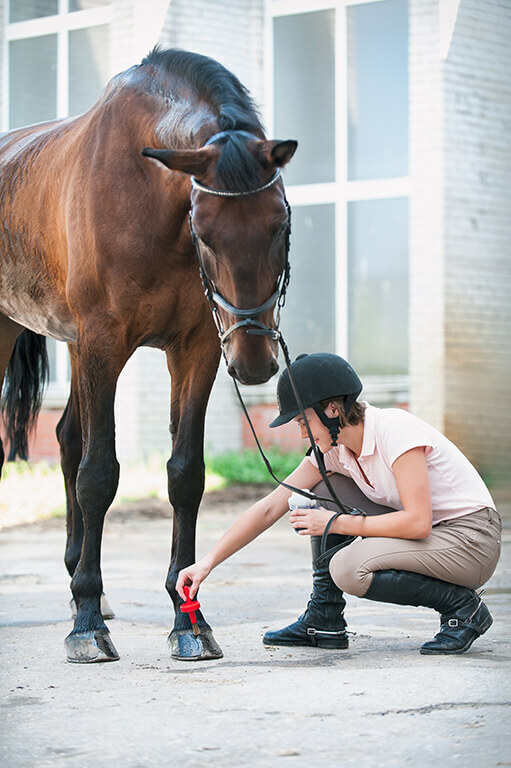
Winter gets most of the attention, but a long spell of hard, dry ground can create its own problems.
Dry conditions can make hoof horn more brittle, so you may notice more chipping and cracking around the edges of the hoof, particularly in horses that already have relatively dry or brittle feet.
A suitable hoof oil, moisturiser or dressing may be useful for some horses during dry periods.
The key word is suitable.
Hoof oil isn't a magic fix for poor-quality feet and applying more product isn't automatically better. Different formulations are designed to do different jobs, so follow the product instructions and ask your farrier what they would recommend for your horse.
Often the best hoof care is fairly boring: consistent farriery, good nutrition, sensible turnout management and a product only where it genuinely adds something.
Feed for Healthy Hoof Growth
Healthy hoof horn has to be grown, so what your horse eats matters too.
A balanced, forage-based diet that provides adequate protein, vitamins and minerals should form the foundation. Nutrients including biotin can play a role in supporting hoof quality, which is why they're commonly included in specialist hoof supplements.
But supplements are best viewed as support, rather than a shortcut.
If your horse's feet suddenly become poor, repeatedly crack or struggle to hold shoes, it's worth discussing their overall diet with your farrier, vet or equine nutritionist rather than simply adding several hoof products to the feed bucket.
Remember too that hoof grows slowly. Improvements made to diet today will not transform the bottom of the hoof next week.
For horses that need additional nutritional support, you can browse our horse hoof supplements.
Does Your Horse Need Hoof Protection?
This depends entirely on the horse and what you're protecting the foot from.
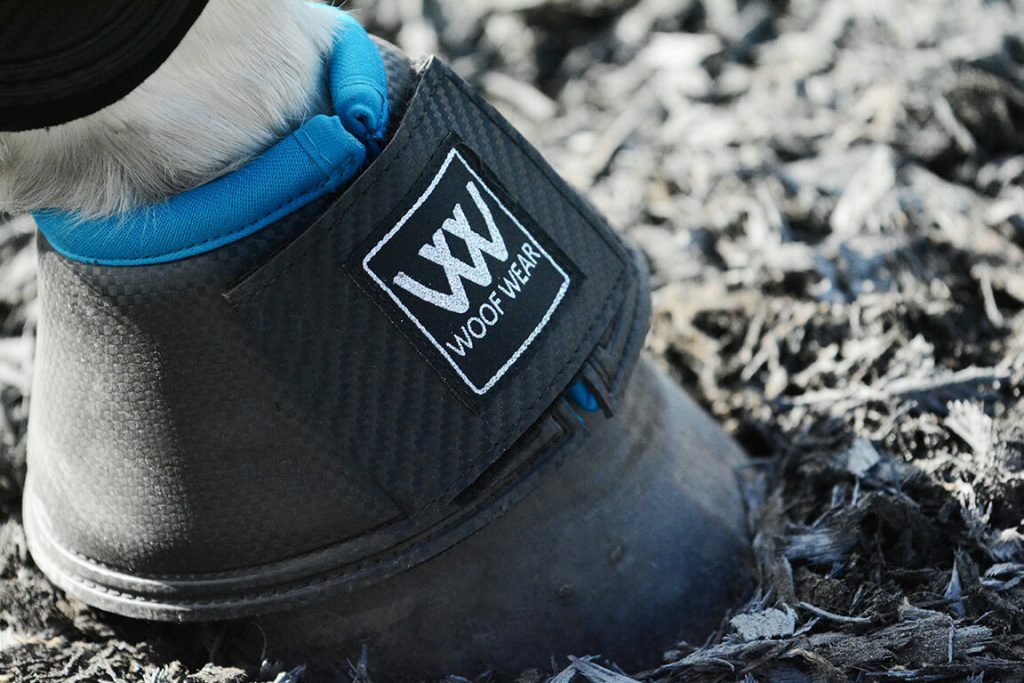
Overreach boots
If your horse tends to catch the back of their front feet with their hind feet, overreach boots can help protect the heel bulbs and lower hoof area from knocks.
They're commonly used for riding, jumping and turnout in horses that are prone to overreaching.
They don't strengthen the hoof itself and they don't replace good farriery. They're simply physical protection against another foot striking the area.
Hoof boots
Hoof boots are a different piece of equipment.
They're commonly used to give barefoot or unshod horses extra protection over harder or rougher surfaces and can also form part of some rehabilitation or barefoot-transition plans.
Fit matters enormously with hoof boots, so don't just buy according to the size your horse usually wears in another brand. Measure according to the manufacturer's instructions and involve your farrier if you're unsure whether they're appropriate.
Know When Something Isn't a Normal Hoof-Care Problem
Most day-to-day hoof care is straightforward, but some situations need professional attention rather than another scrub with the hoof pick.
Contact your farrier if you notice things such as:
- A loose or shifted shoe
- Raised clenches
- Repeated chipping or cracking
- An obvious change in hoof balance or wear
- Persistent frog problems
- Your horse repeatedly losing shoes
If your horse is suddenly very lame, has significant swelling or bleeding or appears to have a nail, screw or another sharp object penetrating the hoof, contact your vet urgently.
If an object is still embedded in the foot, don't automatically pull it out. Its position can give the vet important information about which structures may have been affected, so call your vet for instructions first.
A Simple Daily Hoof Care Routine
You really don't need to turn hoof care into another complicated horse-owner checklist.
For everyday management, think:
- Pick out all four feet every day
- Look and smell while you're doing it
- Check shoes, cracks and the frog
- Notice if anything has changed
- Keep regular farrier appointments
- Adjust management when conditions become particularly wet or dry
- Ask for advice early if something doesn't look right
Five minutes spent checking feet every day can tell you far more than occasionally giving them a very enthusiastic coating of hoof oil.
Good feet are usually the result of consistency rather than one miracle product.
Explore our full range of horse hoof care products, including hoof picks, dressings, moisturisers and everyday hoof-care essentials.
Horse Hoof Care FAQs
Should I pick out my horse's feet before or after turnout?
At a minimum, pick your horse's feet out every day. Checking them after turnout is particularly useful if the ground is muddy or stony, while checking before riding makes sure there are no stones, packed debris or shoe problems before you get on. Many owners naturally do both as part of their grooming routine.
Do barefoot horses still need a farrier?
Yes. Barefoot doesn't mean maintenance-free. Barefoot horses still need their feet regularly assessed and trimmed to maintain appropriate balance and manage excessive growth or uneven wear. The interval may differ from a shod horse, so follow your farrier's recommendation.
Should I worry about cracks in my horse's hoof?
Small superficial cracks or chips around the bottom edge of the hoof aren't always an emergency, particularly in dry weather. However, cracks that are deep, getting larger, causing sensitivity or extending upwards towards the coronary band should be assessed by your farrier. If your horse is lame or the crack involves bleeding or significant injury, speak to your vet.
Can hoof supplements fix brittle hooves?
A hoof supplement may help support new hoof growth where additional nutritional support is needed, but it can't replace a balanced diet or regular farrier care. Because hoof grows slowly, any improvement also takes time to grow down the hoof wall.
