



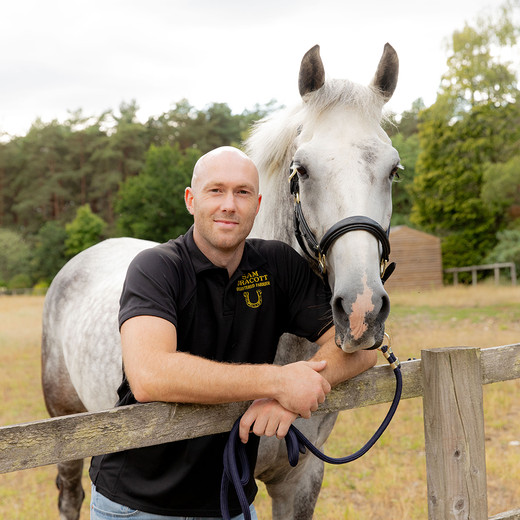
Horse Hoof Care: Expert Tips from Farrier Sam Dracott
Ask any experienced horse owner what keeps their horse comfortable and performing at their best, and hoof care will be high on the list.
There's an old saying, "no hoof, no horse", and while it may sound like a cliché, most riders who've dealt with a lame horse know just how true it is. Healthy feet underpin everything, from hacking and Pony Club activities to competing at affiliated level.
Good hoof care isn't just about shoeing appointments. Daily management, nutrition, turnout and picking up on small changes all play an important role in keeping horses sound.
To help horse owners understand what's really involved in maintaining healthy hooves, we caught up with farrier and equestrian content creator Sam Dracott, whose practical hoof care videos have helped horse owners worldwide better understand hoof health. Of course, Sam's practical advice isn't the only thing he's known for – his signature pink horseshoes have become a social media sensation. Let's be honest, we're all secretly wishing our farriers turned up with a set of pink shoes too!
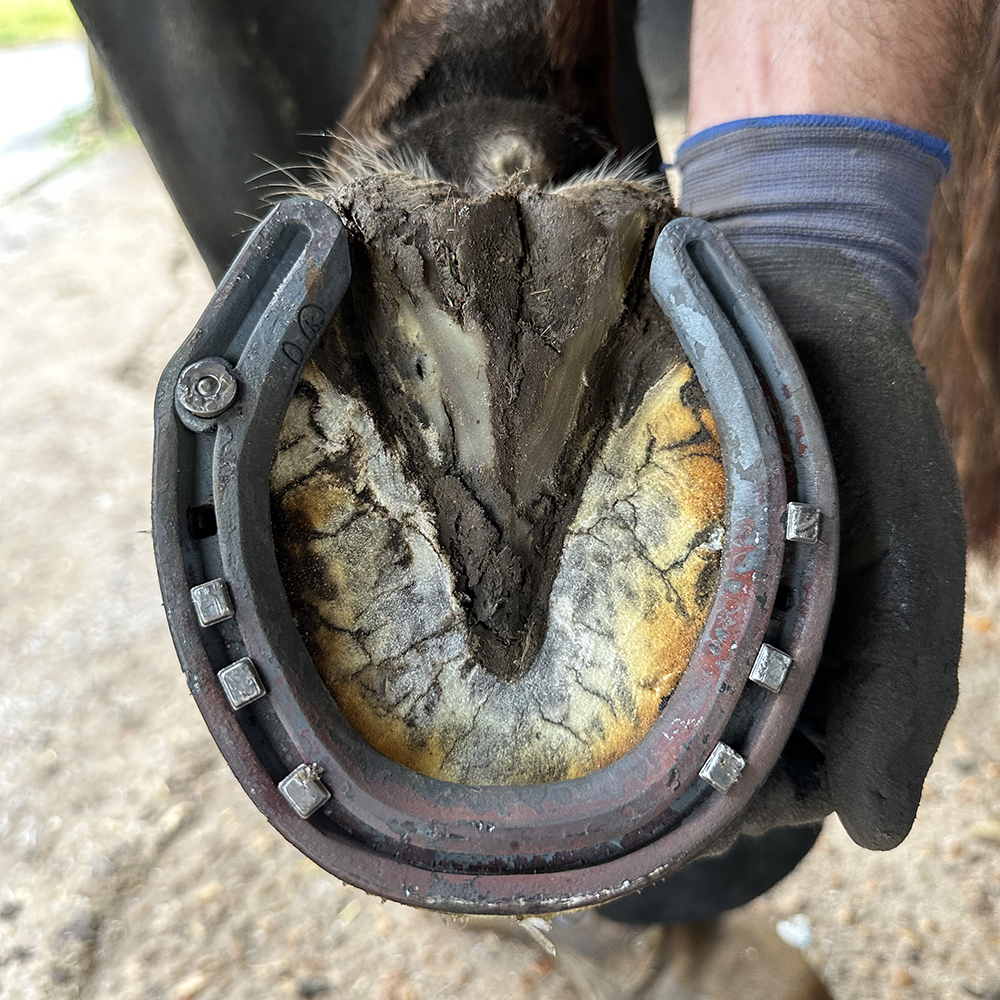
Why Hoof Care Matters
Horse's hooves are a remarkable structure. They absorb concussion, support the horse's entire weight and adapt continually to different surfaces and workloads.
When hooves become unbalanced or neglected, problems can develop quickly. Long toes, underrun heels, loose shoes or poor hoof quality can affect the horse's movement, comfort and long-term soundness.
Regular hoof care can help:
-
Maintain balance and symmetry
-
Support correct movement
-
Reduce the risk of cracks and splits
-
Improve comfort and performance
-
Identify problems before they become serious
-
Support long-term soundness
Many owners only notice hoof issues once their horse becomes uncomfortable. In reality, prevention is always easier and less costly than treating problems later.
Common Hoof Care Mistakes Horse Owners Make
One of the biggest mistakes is allowing farrier visits to slip.
Life gets busy (and expensive). Horses have quieter periods over winter, competitions stop or workloads reduce. It's easy to think a horse can go a little longer between appointments.
According to Sam, consistency is key.
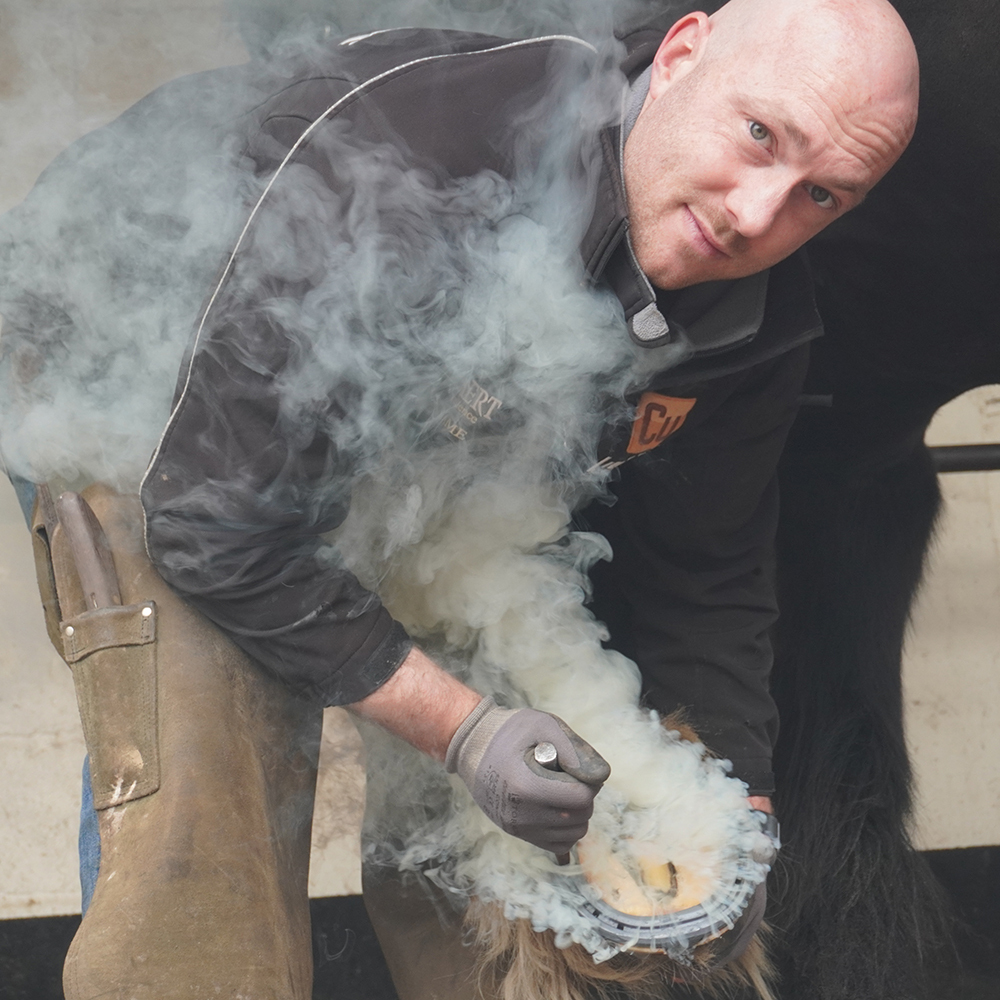
Q&A with Sam Dracott
What are the most common hoof care mistakes you see horse owners make?
"Skipping or delaying farrier visits. One of the best things owners can do for their horses is keep up with regular farrier visits. Even if a horse isn't being ridden much, their feet are constantly growing and changing. Staying on top of hoof care helps keep everything balanced and gives the horse the best chance of staying comfortable, happy and performing well."
Even retired horses, youngsters and horses on holiday still require routine hoof care. A horse standing in the field for several weeks can develop long toes, flares or imbalance just as easily as a horse in full work.
Best Practice for Healthy Hooves
-
Pick out your horse's hooves daily to remove dirt, stones and debris.
-
Check the hooves regularly for minor cracks, loose or missing shoes and any signs of damage.
-
Work with your farrier to establish the right hoof care routine and maintain a regular trimming or shoeing schedule.
-
Monitor your horse's movement and contact your vet or farrier if you notice any changes.
-
Provide a balanced, nutritious diet that supports healthy hoof growth and overall hoof quality.
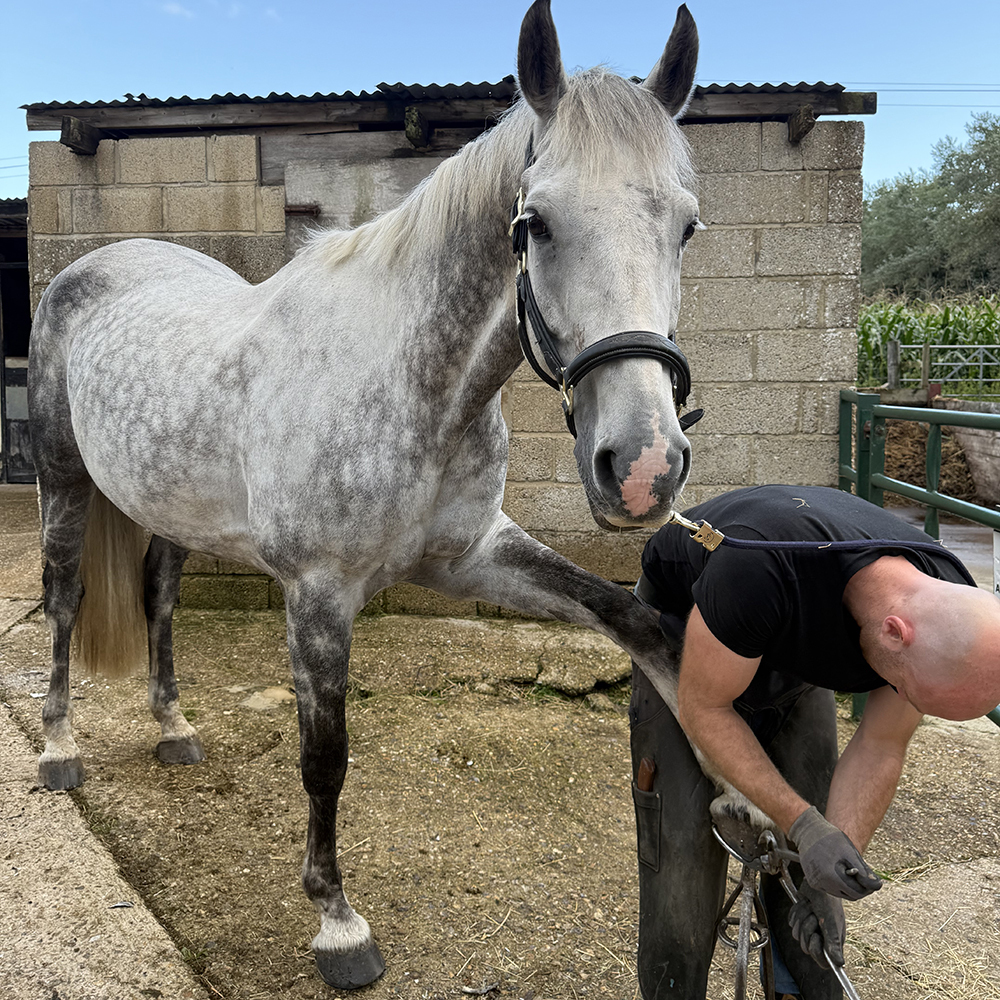
How Often Should Horses Be Trimmed or Shod?
There is no one-size-fits-all answer.
Most horses need trimming or shoeing every four to eight weeks, although this varies considerably between individuals.
Factors that influence hoof growth include:
-
Age
-
Workload
-
Breed and conformation
-
Diet
-
Season
-
Turnout conditions
-
Whether the horse is barefoot or shod
Sam explains:
How often should horses be trimmed or shod, and what signs indicate they may need attention sooner?
"Most horses need trimming or shoeing every 4-8 weeks, depending on their age, workload, hoof growth, conformation and the time of year. Many horses grow more hoof during the spring and summer months and a little less during winter.
In between visits, it's worth keeping an eye out for longer toes, loose or worn shoes, risen clenches, or small changes in movement. Catching these things early and keeping to a regular schedule can make a big difference to a horse's comfort and way of going."
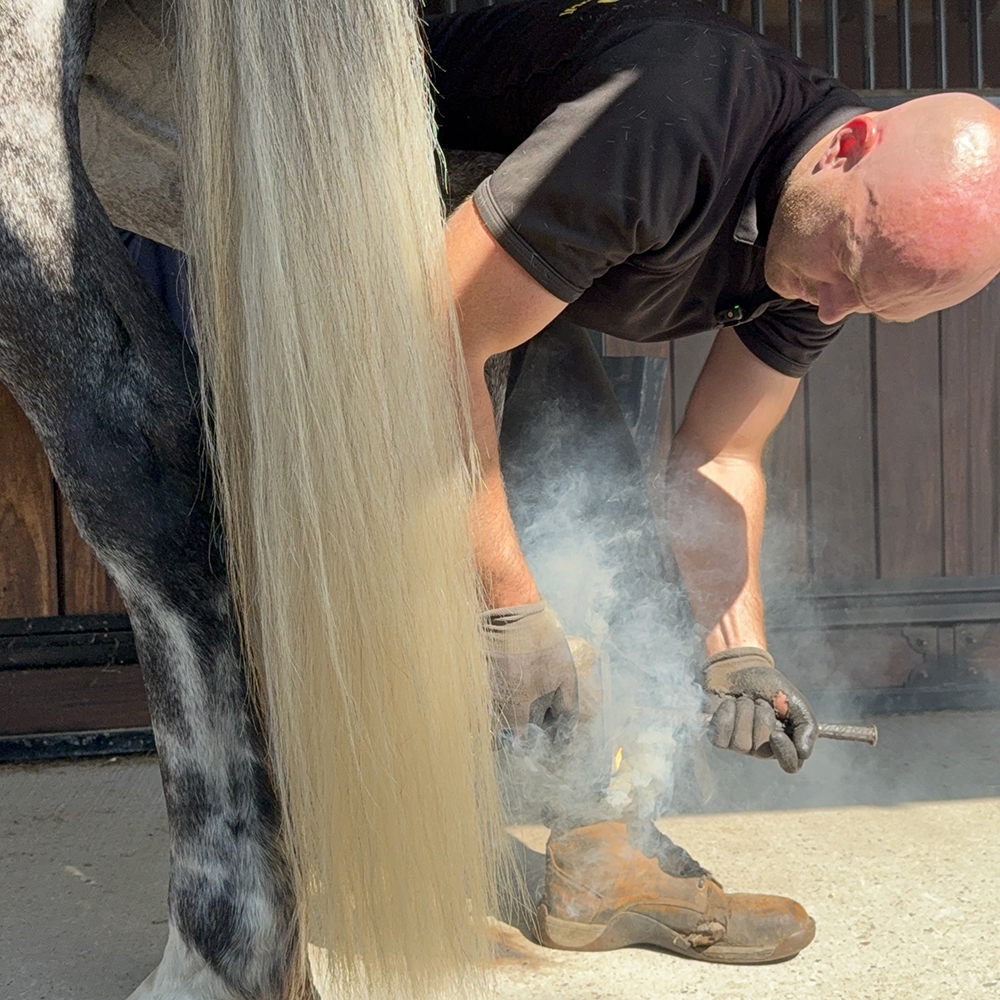
Watch: Hoof Care in Practice
A good trim can make a real difference to how balanced and tidy the hoof looks. This short video shows Sam Dracott carrying out a hoof clean-up and trim, giving a simple behind-the-scenes look at the practical work that goes into regular farrier care.
Watch to see Sam at work:
View this post on Instagram
Signs Your Horse May Need the Farrier Sooner
Keep an eye out for:
-
Toes becoming noticeably longer
-
Shoes shifting or becoming loose
-
Raised clenches
-
Excessive hoof chipping
-
Cracks developing
-
Uneven wear
-
Shortened stride length
-
Changes in way of going
-
Increased stumbling
Many owners notice subtle changes before obvious lameness develops. Your horse may feel less willing in transitions, become slightly uneven on circles or feel different under saddle. Trust your instincts and speak to your farrier if something doesn't feel right.
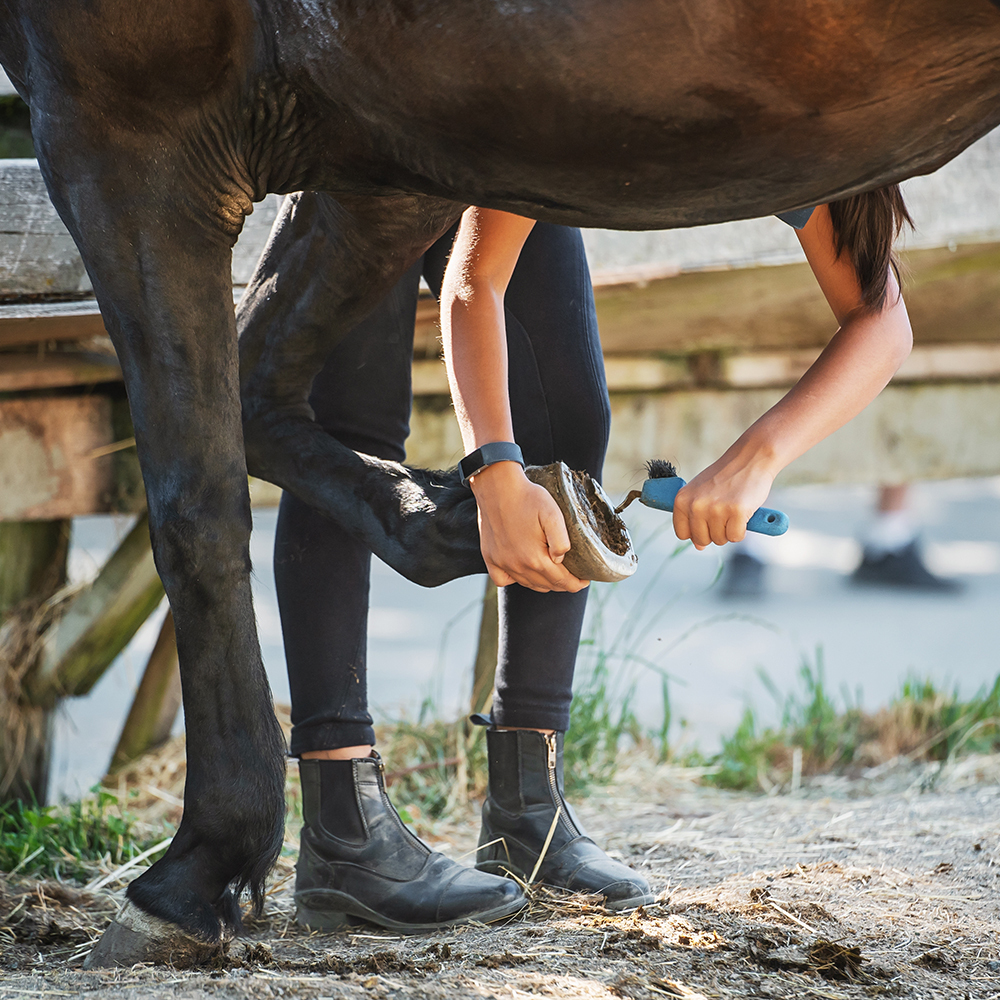
Daily Hoof Care Routine for Horse Owners
A simple daily routine goes a long way.
Pick Out Feet Every Day
Picking out feet with a hoof pick allows you to:
-
Remove stones, mud and bedding
-
Check for puncture wounds
-
Spot thrush early
-
Identify loose shoes
-
Monitor cracks or bruising
During wet British winters, daily checks become even more important as prolonged exposure to mud can soften hooves and increase the risk of conditions such as thrush. Often, the first sign is a strong, unpleasant smell when you pick out your horse's feet, followed by black discharge around the frog. Spotting thrush early makes it much easier to treat before it becomes a bigger problem.
Monitor Turnout Conditions
Constantly wet or excessively dry conditions can both affect hoof quality.
While most horses cope well with seasonal changes, prolonged wet or dry conditions can both influence hoof quality. Providing access to dry standing during wet spells, maintaining a consistent hoof care routine and adapting your management to the season can all help keep feet healthy.
Seasonal Hoof Care Tips from Sam Dracott
How can owners help keep hooves healthy during hot, dry weather?
"For me, consistency is the biggest thing. Keep on top of your farrier appointments, feed a balanced diet that supports healthy hoof growth and use a good hoof grease through the summer.
I think of hoof grease as more of a barrier. In dry weather, it helps the hoof hold onto its natural moisture for longer, which helps regulate the moisture within the hoof. It isn't adding moisture, but it can help keep the hoof in a much more consistent condition."
What advice do you have for managing hoof care during very wet winters?
"Winter is all about keeping that same consistency. Pick your horse's feet out every day, give them somewhere dry to stand if you can, keep up with your regular farrier visits and use a good hoof grease.
Again, I think of hoof grease as more of a barrier. In wet conditions, it helps reduce how much water the hoof absorbs, which helps regulate the moisture within the hoof. It won't make the hoof waterproof, but it can help maintain a more consistent moisture balance throughout the winter."
Learn What's Normal for Your Horse
Every horse's feet look slightly different.
Owners who regularly handle their horse's feet quickly learn what is normal and are far more likely to spot changes early.
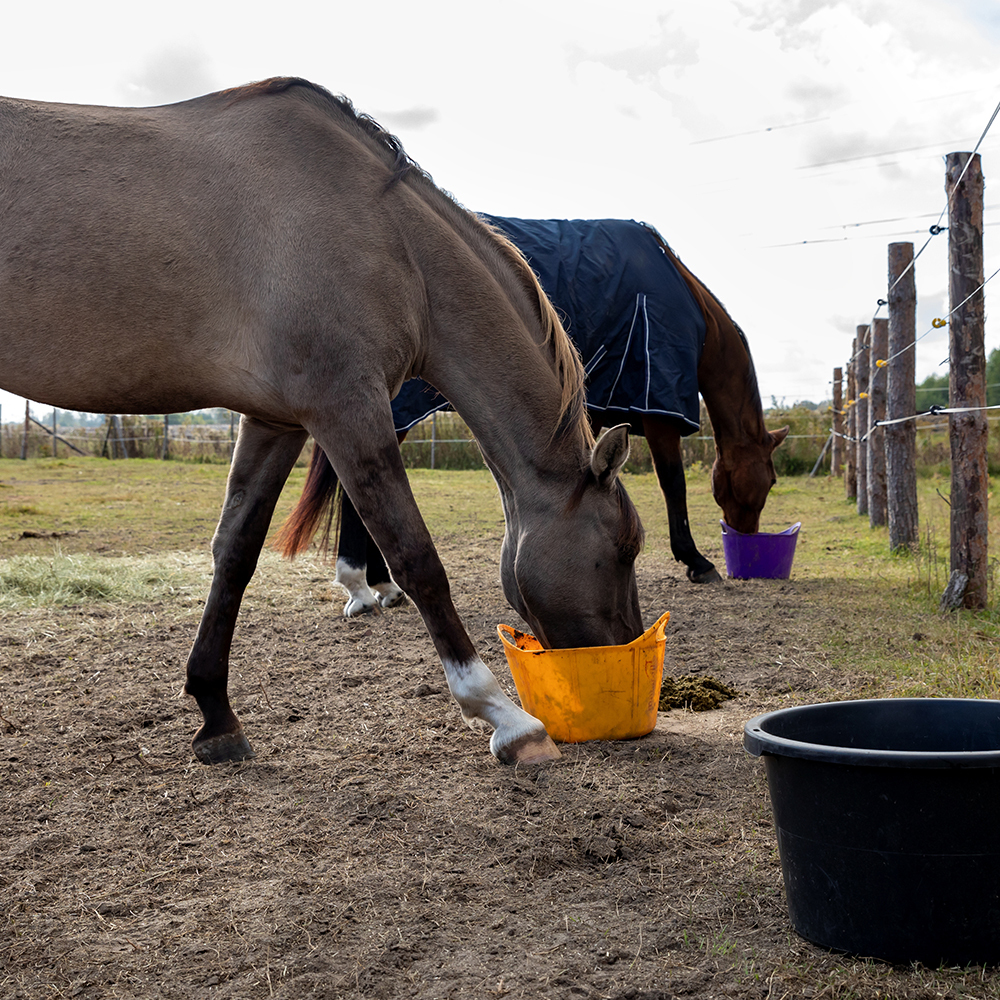
The Role of Nutrition in Hoof Health
Hoof quality starts from within.
Poor-quality feet can sometimes reflect dietary imbalances rather than external factors alone.
As Sam explains:
How does nutrition impact hoof growth and overall hoof quality?
"Nutrition plays a huge role in hoof health. Hooves are made primarily of keratin, so feeding a balanced diet helps support strong, healthy hoof growth from the inside out.
Good-quality forage, adequate protein and the right balance of vitamins and minerals all contribute to better hoof quality. Healthy feet are often a reflection of a healthy horse, and it's always rewarding to see improvements in hoof strength and growth as a result of good nutrition.
Because hooves grow slowly, it can take a few months for changes to become visible, but getting the foundations right can have a lasting impact on hoof quality."
Nutritional Support for Strong Hooves
A forage-first approach should always form the basis of the diet.
Alongside this, key nutrients involved in hoof health include:
-
High-quality protein
-
Biotin
-
Zinc
-
Copper
-
Methionine
-
Essential amino acids
Because hoof growth is slow, owners should be realistic. Meaningful improvements often take several months to become visible.
For horses needing additional support, hoof supplements can be useful when fed as part of a balanced diet.
Sam Dracott's Recommended Hoof Care Products
NAF Farrier Solution
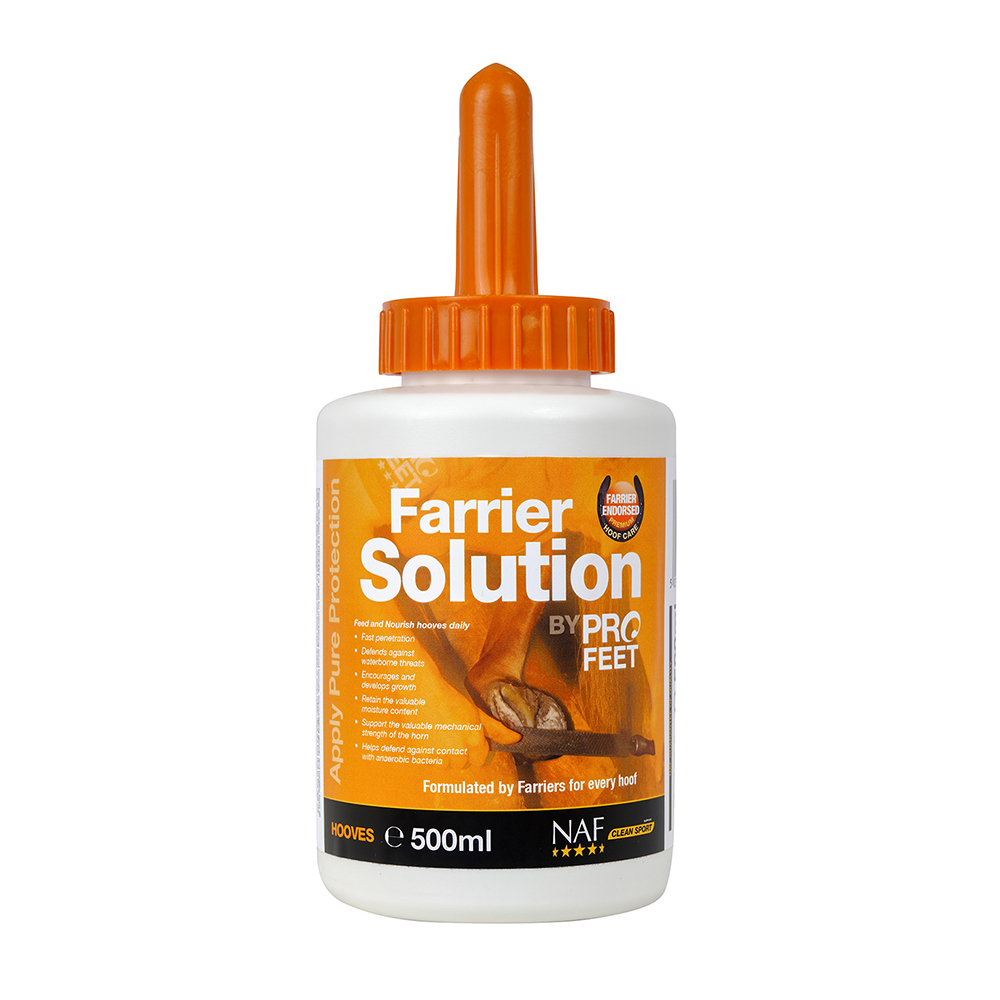
Sam Dracott's Recommendation: "NAF Farrier Solution is a product I regularly recommend to horse owners looking to support healthy hoof growth and overall hoof quality".
Farrier-recommended products such as NAF Farrier Solution are designed to support hoof growth, strength and overall hoof quality. Developed with input from leading farriers, it can be particularly beneficial for horses with poor hoof quality, brittle feet or those recovering from periods of compromised hoof health.
As always, discuss any concerns about your horse's feet with your farrier, vet or equine nutritionist to ensure the most appropriate approach for your individual horse.
Discover more from the NAF Farrier range to keep your horse's hooves in top condition.
Emergency Shoe Removal Kit
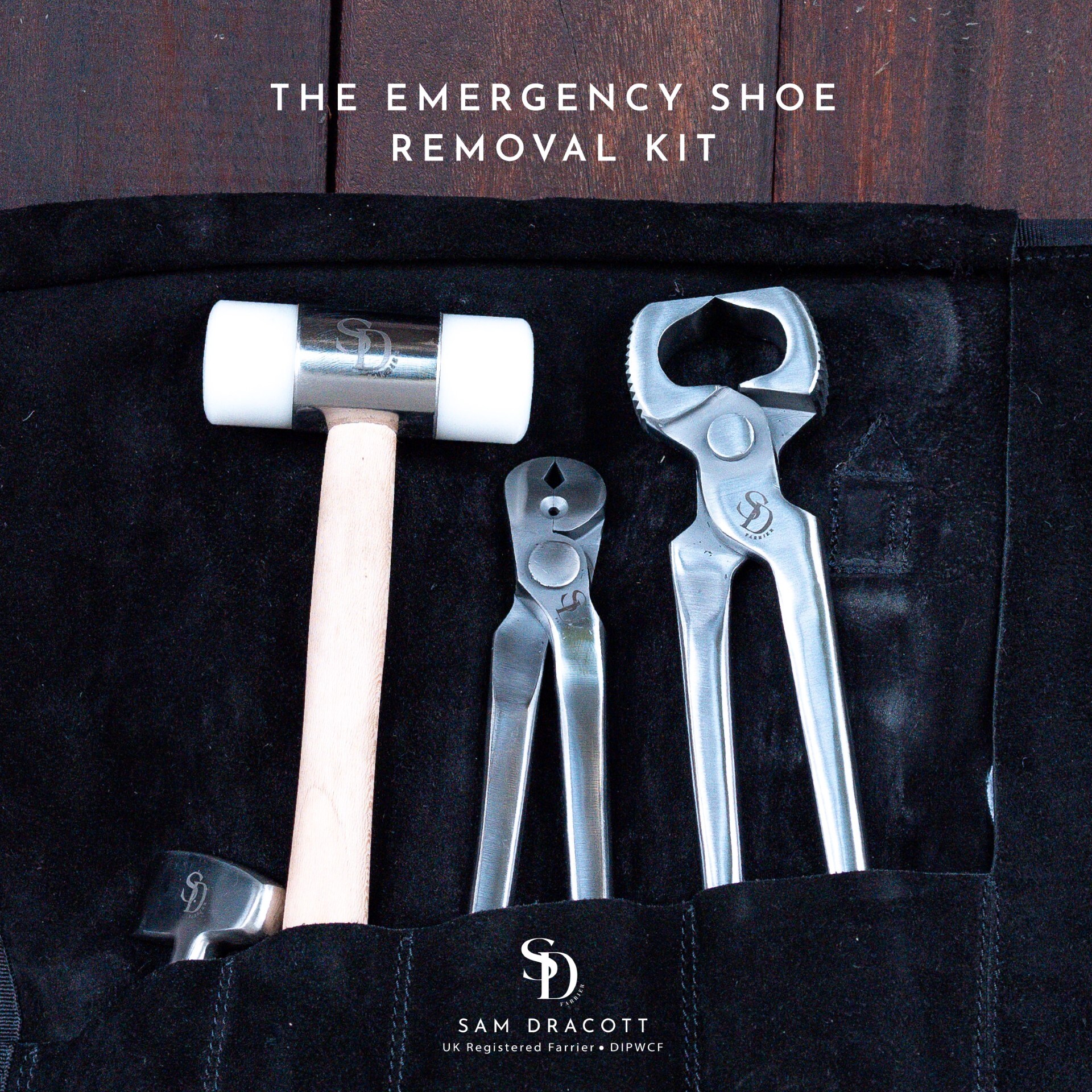
Every horse owner hopes they'll never need it, but a loose or partially detached shoe can quickly become an emergency. Sam recommends keeping an emergency shoe removal kit in your lorry, trailer or tack room so you have the right tools to safely remove a loose shoe if needed while waiting for your farrier.
Developed by UK registered farrier Sam Dracott, the Emergency Shoe Removal Kit gives horse owners the tools and knowledge to feel prepared and confident should a shoe become loose or twisted. After 14 years working as a farrier and regularly demonstrating emergency shoe removal at major equestrian shows across the UK, Sam created the kit to make this valuable skill more accessible to owners. Presented in a smart black suede leather roll, it includes a buffer, hammer, shoe pullers, nail pullers, printed instructions and access to Sam’s full demonstration video. Compact and easy to store in the tack room, lorry or at the yard, it helps owners act quickly with the right tools to hand, reducing the chance of further damage and potentially avoiding a much bigger vet bill.
Buy your Emergency Horse Shoe Removal Kit today for added peace of mind.
Working as a Team: Owner, Farrier and Vet
The best hoof care outcomes happen when horse owners work closely with their professionals.
Your farrier sees your horse regularly and can often identify subtle changes before they become bigger issues. If concerns arise, involving your vet early can help ensure prompt diagnosis and treatment.
Open communication between owner, farrier and veterinary team gives horses the best possible chance of staying comfortable and performing at their best.
After all, healthy feet don't happen by accident. They are the result of consistent management, careful observation and good teamwork.
FAQs
Can horses go barefoot all year round?
Some horses thrive barefoot, while others perform better in shoes. It depends on factors such as workload, hoof quality, conformation, terrain and management. Many horses hack and compete successfully barefoot, but it's a decision best made with your farrier.
How long does it take to improve poor hoof quality?
Hooves grow slowly. While some improvements may be visible within a few months, growing an entirely new hoof capsule can take between 9-12 months. Consistency with nutrition and farriery is essential.
Should I use hoof oil every day?
Not necessarily. Hoof oils and dressings can help in certain situations, but they won't compensate for poor nutrition or irregular farrier care. Focus on overall hoof health first and discuss topical products with your farrier if needed.
What should I do if my horse loses a shoe?
Contact your farrier as soon as possible. In the meantime, avoid riding if the horse is uncomfortable and protect the foot where possible. Prompt attention can help prevent imbalance or damage.
Can wet weather damage my horse's feet?
Extended periods in wet, muddy conditions can soften hooves and increase the risk of thrush. Daily hoof picking and providing access to dry standing areas can help minimise problems.
Putting Your Horse's Best Foot Forward
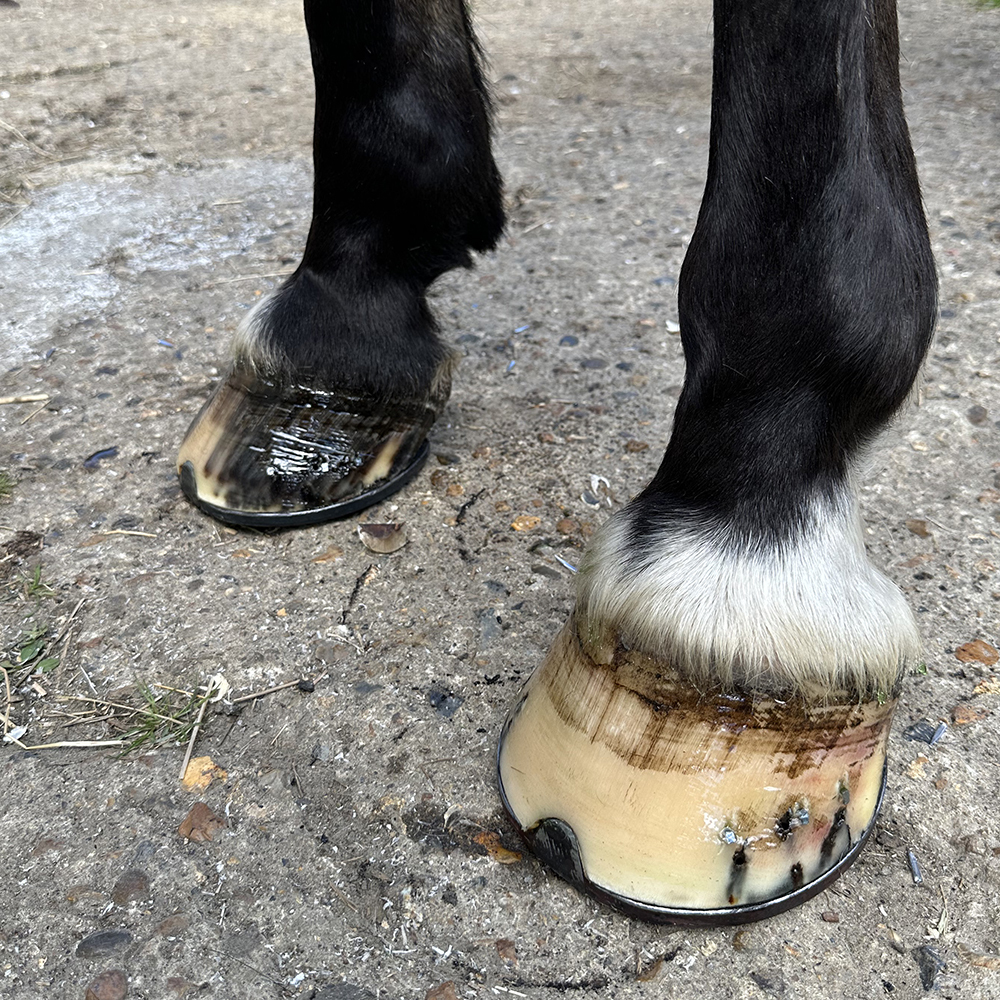
Healthy hooves don't happen by chance. They are built through consistent farrier care, good nutrition and daily management. By working closely with your farrier and supporting hoof health from the inside out, you can help keep your horse comfortable, sound and ready for whatever the season brings.
Whether you're managing a competition horse, happy hacker or retired companion, explore our range of horse care products, supplements and everyday care essentials to give your horse the best support possible. And don't forget to follow Sam Dracott over on Instagram and TikTok for more helpful hoof care tips.
