


What Is a MIPS Horse Riding Helmet?
Horse riders have become far more safety-conscious over the last few years, and helmet technology has moved on massively from the basic velvet hats many of us grew up riding in.
One term that keeps appearing when shopping for new riding hats is “MIPS”. If you’ve been browsing modern riding helmets and wondering whether MIPS is genuinely useful or just another expensive add-on, you’re definitely not alone.
The short answer? MIPS is designed to help reduce rotational forces on the brain during certain types of falls - something that matters a great deal in horse riding, where very few accidents happen in a perfectly straight line.
And once you understand how riders actually fall, the technology starts to make a lot more sense.
What Does MIPS Mean?
MIPS stands for Multi-directional Impact Protection System.
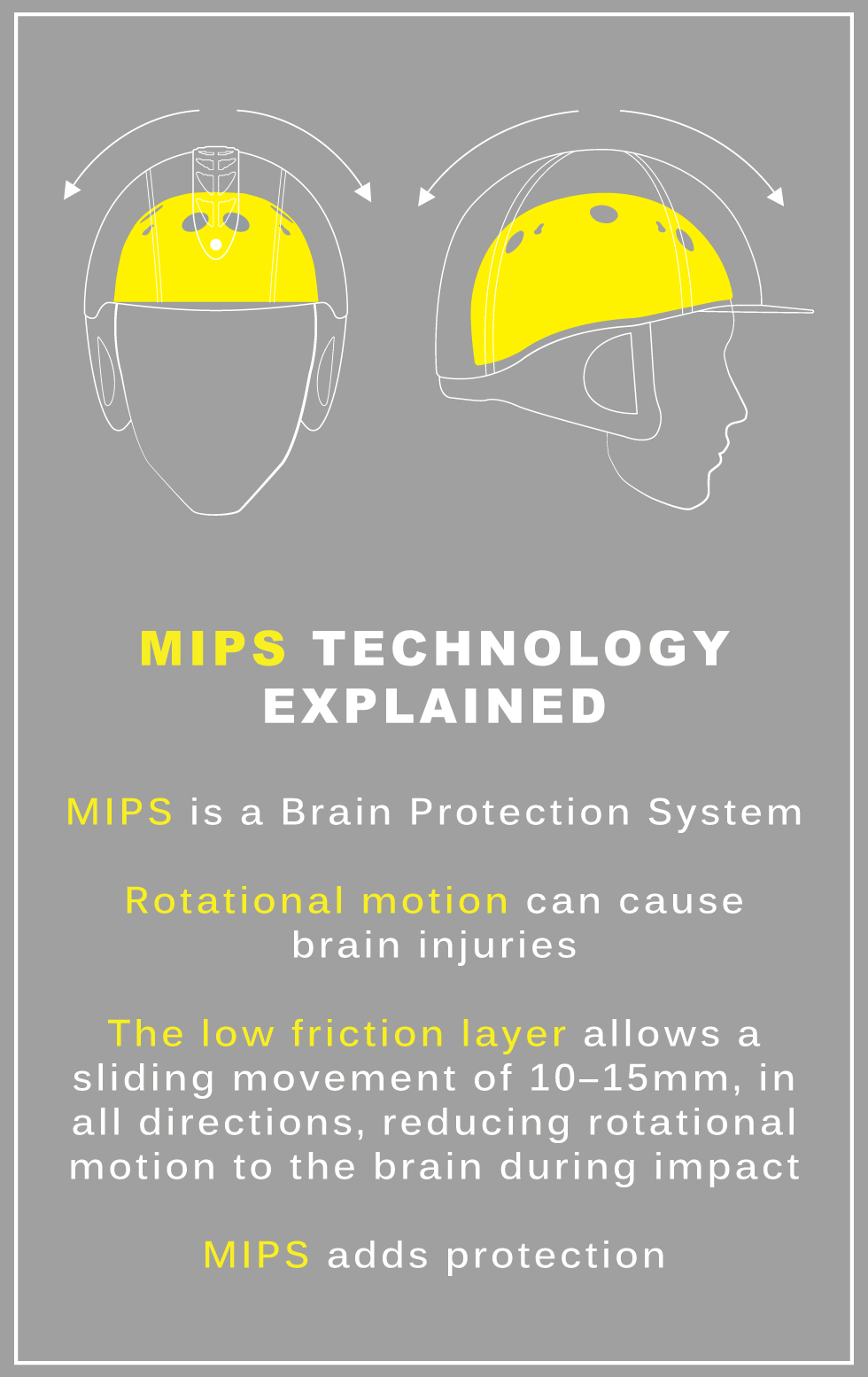
It’s a safety layer built into certain riding helmets that’s designed to reduce rotational motion transferred to the brain during angled impacts.
That sounds technical, but in practical riding terms it’s fairly straightforward.
Most horse riding falls don’t involve landing flat on top of your head. Riders often:
- hit the ground at an angle
- slide after impact
- clip jumps or arena fencing
- fall sideways from spinning or bucking horses
- land while moving forward at speed
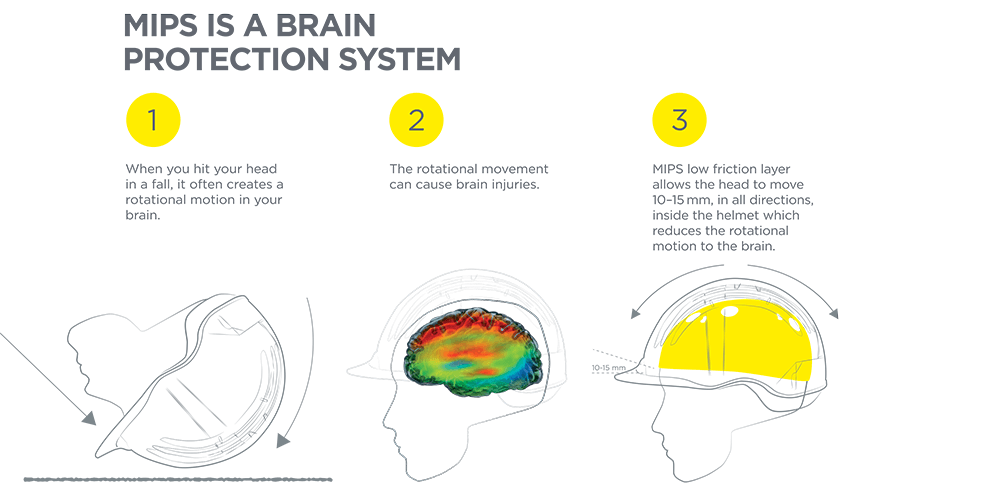
Those angled impacts can create rotational movement inside the helmet, which may contribute to brain injuries and concussions.
MIPS technology is intended to help redirect some of that rotational force before it reaches the rider’s head.
How Does MIPS Work in an Equestrian Helmet?
Inside a MIPS equestrian helmet, there’s usually a low-friction layer fitted between the helmet shell and the rider’s head.
In a crash, that layer is designed to move slightly - typically by a few millimetres - which helps absorb and redirect rotational energy.
You generally won’t notice it while riding. Most riders describe modern MIPS helmets as feeling no different once fitted properly.
The easiest way to picture it is this:
A traditional helmet mainly protects against direct impact force.
A MIPS horse helmet is designed to help with both direct impact and certain rotational movements.
That distinction matters because rotational injuries are increasingly discussed in concussion research across many sports, not just equestrianism.
Why Rotational Impact Matters in Horse Riding
Horse riding comes with unique fall risks.
Unlike cycling or skiing, riders fall from height onto unpredictable surfaces, often with additional movement from the horse itself. Even relatively slow-speed falls can involve awkward twisting motion.
Anyone who’s come off from an excited buck while hacking, landed head first after a dirty stop at a jump, or been suddenly spooked out the side door will know that having confidence in your horse riding helmet is paramount.
Many riders who’ve experienced concussion will tell you the same thing: it wasn’t always the hardest fall that caused the issue.
That’s one reason MIPS helmet equestrian designs have become increasingly popular for:
- event riders
- show jumpers
- young horse riders
- nervous riders rebuilding confidence
- Pony Club children
- riders hacking on roads
- everyday leisure riders wanting additional reassurance
Are MIPS Horse Riding Helmets Safer?
No helmet can prevent every injury, and no reputable retailer should promise otherwise.
But MIPS technology is designed to improve protection in specific types of impacts involving rotational movement.
For many riders, the biggest benefit is peace of mind.
Modern riding helmets already have to meet strict safety standards, but MIPS adds another layer of protection-focused design that many riders now actively look for when upgrading helmets.
It’s similar to how body protectors and air jackets evolved. Once riders understood the additional safety benefits, expectations changed.
Do MIPS Helmets Meet Riding Safety Standards?
Yes - but this is important to understand properly.
MIPS itself is not a safety standard.
A MIPS equestrian helmet still needs to meet recognised riding helmet certifications such as:
- PAS015
- VG1
- ASTM/SEI
- SNELL (on selected models)
When choosing any riding hat, the certification matters first. MIPS is an additional safety technology layered into an already certified helmet.
For British riders, it’s also sensible to check current Pony Club and British Eventing rules if buying for competition use, as accepted standards can change over time.
Are MIPS Riding Helmets More Comfortable?
Honestly, this depends more on the individual helmet brand and shape than the MIPS layer itself.
A poorly fitting expensive helmet will still feel awful after an hour hacking in the rain.
Most modern MIPS riding helmets now include:
- dial-fit systems
- improved ventilation
- lightweight shells
- washable liners
- better airflow channels
Many riders upgrading from older helmets are surprised that newer safety-focused helmets actually feel cooler and more balanced.
This matters more than people think, especially for:
- children wearing hats all day at shows
- riders with headaches from poor fit
- long summer riding sessions
- nervous riders who tense through the neck and shoulders
Comfort affects whether riders consistently wear helmets correctly.
Is a MIPS Horse Riding Helmet Worth It?
For many riders, yes.
Particularly if:
- your current helmet is older
- you ride young or unpredictable horses
- you compete regularly
- you hack on roads
- you’ve previously had concussion
- you want the latest safety technology available
That said, the “best MIPS equestrian helmet” is still the one that:
- fits correctly
- meets current safety standards
- suits your riding discipline
- feels comfortable enough to wear properly every ride
There’s little point buying the most advanced helmet available if it shifts while riding or gives you pressure headaches.
Fit always comes first.
Choosing the Right MIPS Equestrian Helmet
When trying on riding hats, riders often focus too much on appearance and not enough on stability.
A correctly fitted helmet should:
- sit level on the head
- feel secure without painful pressure
- stay stable when you move
- avoid gaps around the forehead
- not wobble when you shake your head
If possible, always get professionally fitted.
Different brands suit different head shapes, and this becomes even more important with modern technical helmets.
Some riders prefer:
- sleek fixed-peak helmets for showing and show jumping
- lightweight skull caps for cross-country
- highly ventilated styles for summer riding
- dial-adjust helmets for growing children
There isn’t one perfect option for everyone.
MIPS Helmets for Children and Teen Riders
Parents are increasingly choosing MIPS horse riding helmets for younger riders, particularly for Pony Club activities and jumping lessons.
Children often:
- ride multiple ponies
- lose balance more easily
- fall unpredictably
- spend long days mounted at camps and shows
A lightweight, comfortable helmet with modern safety technology can help encourage proper wear habits from the start.
And realistically, most parents sleep slightly better knowing they’ve invested in the best protection they can reasonably afford.
Don't forget to download your handy Pony Club Camp Checkist!
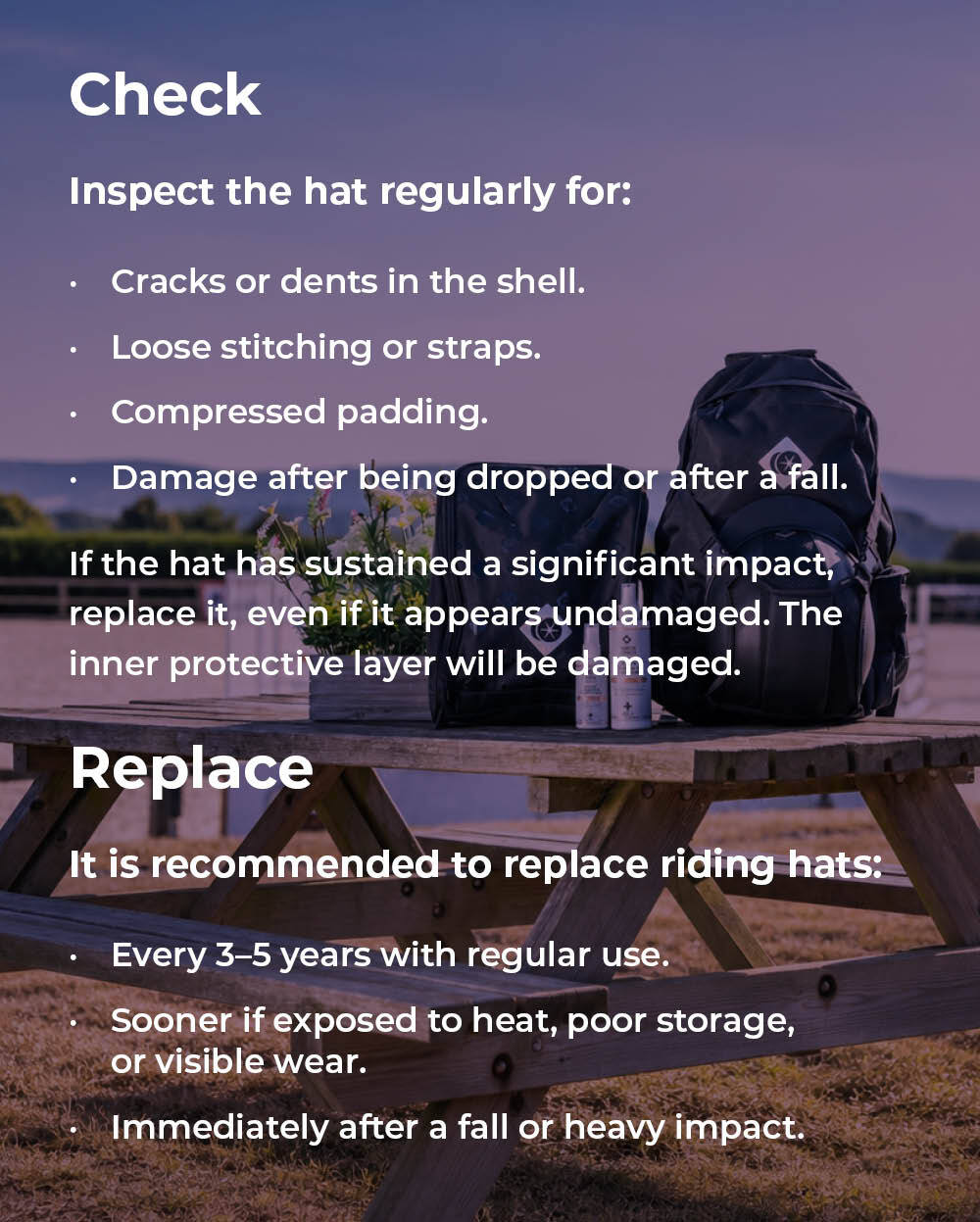
When Should You Replace Your Riding Helmet?
Even the best riding helmet doesn’t last forever.
You should generally replace a riding helmet:
- after a significant fall
- if it’s suffered impact
- when the harness becomes worn
- if the shell is damaged
- after the manufacturer’s recommended lifespan
A surprising number of riders continue using very old helmets because they “look fine”.
Unfortunately, internal protective materials can degrade over time without visible damage.
If you’re upgrading anyway, it’s worth looking at newer technologies like MIPS while you shop.
Popular MIPS Horse Riding Helmets Riders Are Choosing
As MIPS technology becomes more widely available in equestrian sport, riders now have far more choice depending on their discipline, fit preferences and style.
Some riders prefer lightweight skull caps for cross-country and fast work, while others want a smart everyday riding helmet suitable for lessons, clinics, hacking, and competitions.
The Champion Ventair MIPS Jockey Helmet is a popular option for riders wanting a lightweight, ventilated skull cap style with modern safety technology. It’s particularly well suited to event riders, cross-country schooling, and riders who prefer a more minimal, streamlined feel.
For everyday riding, the EQX Kylo MIPS range has become increasingly popular thanks to its balance of comfort, ventilation, and style options. Riders can choose between matte, gloss, and sparkle finishes, making it a good choice for those wanting modern safety features without sacrificing personal style.
The EQX Phoenix with MIPS offers a slightly more contemporary look with practical everyday comfort, making it well suited to regular training, hacking, and general riding club use.
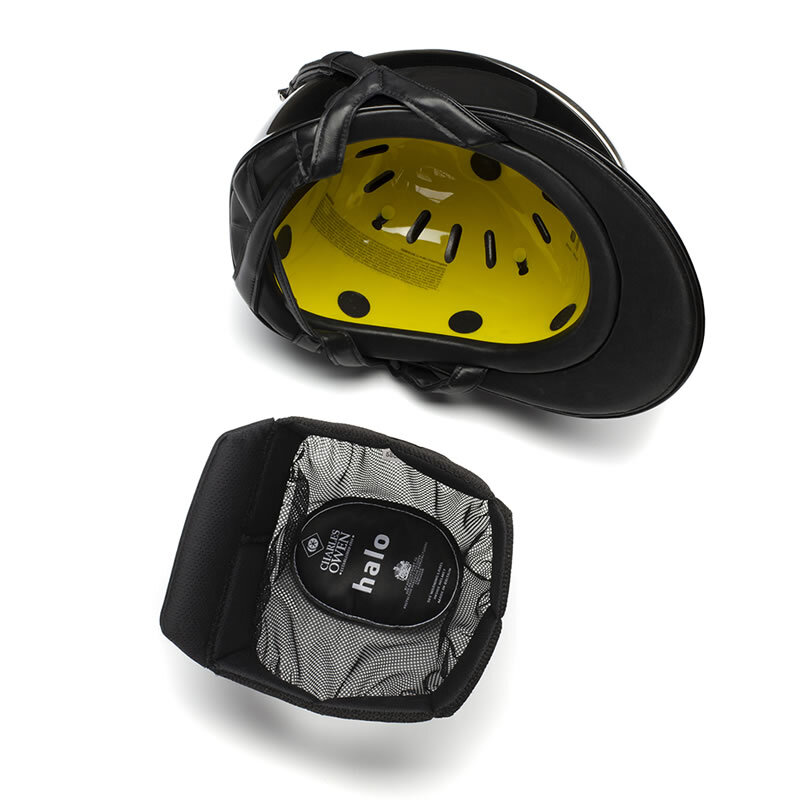
Meanwhile, the Charles Owen Halo remains a standout choice for riders wanting a more premium, competition-focused riding helmet with advanced safety features and a refined fit. Many riders particularly like the secure feel and smart appearance for show environments.
Ultimately, the best MIPS equestrian helmet comes down to correct fit, comfort, and the type of riding you do most often. Different helmets suit different head shapes, which is why professional fitting is always worthwhile where possible. So if you're local, pop into our shop and a fully trained hat fitter can help you find your next riding hat.
Safer Riding Starts with the Right Kit
MIPS technology is part of a much bigger shift in equestrian safety.
Today’s riders are far more aware of concussion risks, rotational falls, and the importance of properly fitted protective kit - not just for competition riders, but for everyday hacking, lessons and yard riding too.
A modern riding helmet is a great starting point, but many riders now also choose body protectors, air jackets and hi-vis gear to feel safer and more confident in the saddle.
Whether you’re upgrading an older hat or reviewing your riding kit altogether, it’s worth exploring the latest equestrian safety wear designed to keep both horse and rider more protected every ride.
MIPS FAQs
What is a MIPS horse riding helmet?
A MIPS horse riding helmet is a riding helmet that includes Multi-directional Impact Protection System technology. It’s designed to help reduce rotational forces transferred to the brain during angled impacts or falls.
Are MIPS equestrian helmets safer?
MIPS helmets are designed to improve protection in certain rotational impact scenarios. While no helmet can prevent every injury, many riders choose MIPS for additional reassurance alongside standard helmet certifications.
Is MIPS worth it for horse riding?
For many riders, yes - particularly those riding young horses, competing regularly, hacking on roads, or replacing older helmets. Many riders feel the added protection is worthwhile.
Do MIPS riding helmets fit differently?
Not usually. Most riders don’t notice the MIPS layer once the helmet is correctly fitted. Overall comfort depends more on the helmet brand, shape, and fit system.
What safety standard should a riding helmet meet?
Look for recognised riding helmet standards such as PAS015, VG1, ASTM/SEI, or SNELL, depending on your riding discipline and competition requirements.
Can children wear MIPS riding helmets?
Yes. Many brands now offer MIPS equestrian helmets designed specifically for children and teenagers.
How often should you replace a riding helmet?
Riding helmets should typically be replaced after a significant fall, visible damage, or within the manufacturer’s recommended lifespan.