


Kids Horse Riding Gear Guide: Everything Beginners Need
Jul 21st 2026
What Does a Child Need for Horse Riding Lessons? Everything Beginners Need
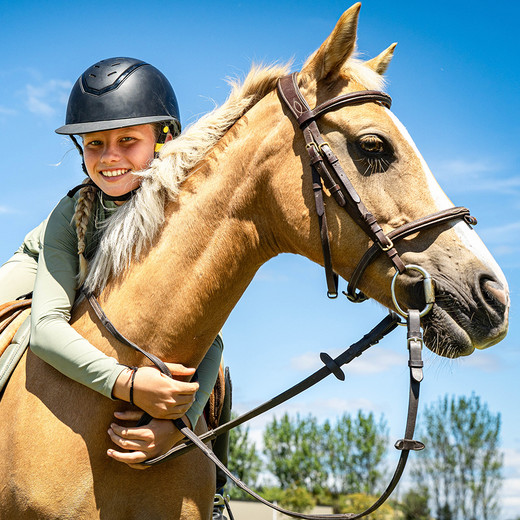
Starting riding lessons is exciting, but standing in a tack shop or scrolling online for the first time can feel a little overwhelming. Parents often arrive at the yard asking exactly the same question: "What does my child actually need?"
The good news is that most beginner riders do not need a wardrobe full of specialist kit straight away. A few well-chosen essentials will keep your child safe, comfortable and confident while they decide whether riding is going to become a lifelong passion.
Many children catch the horse bug very quickly though, so it pays to buy sensible, good-quality basics that will last beyond those first few lessons.
The Essential Beginner Riding Kit Checklist
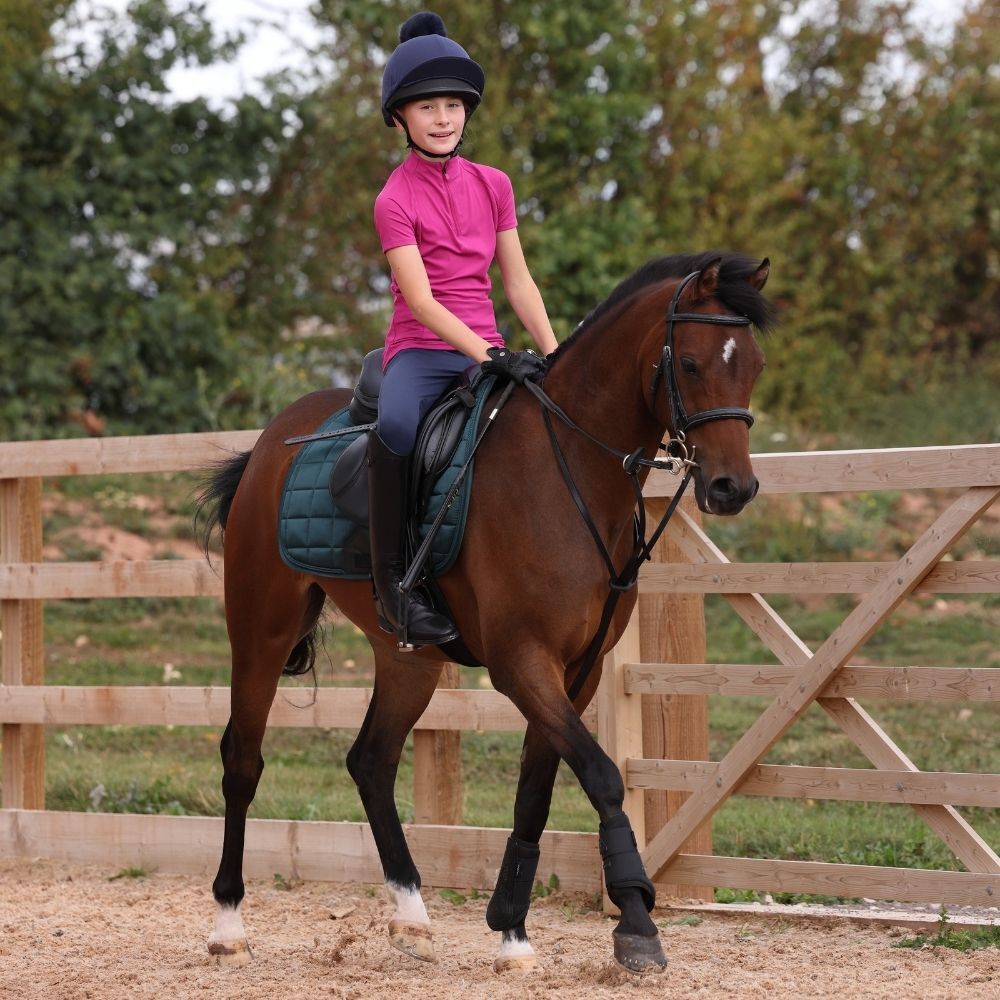
For a child starting horse riding lessons, the essentials are:
- A correctly fitted riding helmet
- Jodhpurs or riding tights
- Riding boots with a small heel
- Comfortable riding socks
- Kids riding gloves
- A waterproof coat for winter lessons
Depending on the riding school, your child may also need:
- A body protector
- Half chaps
- Waterproof overtrousers
- A hair net or scrunchie for longer hair
Let's look at each item in more detail.
Riding Helmet: The One Item Never to Compromise On
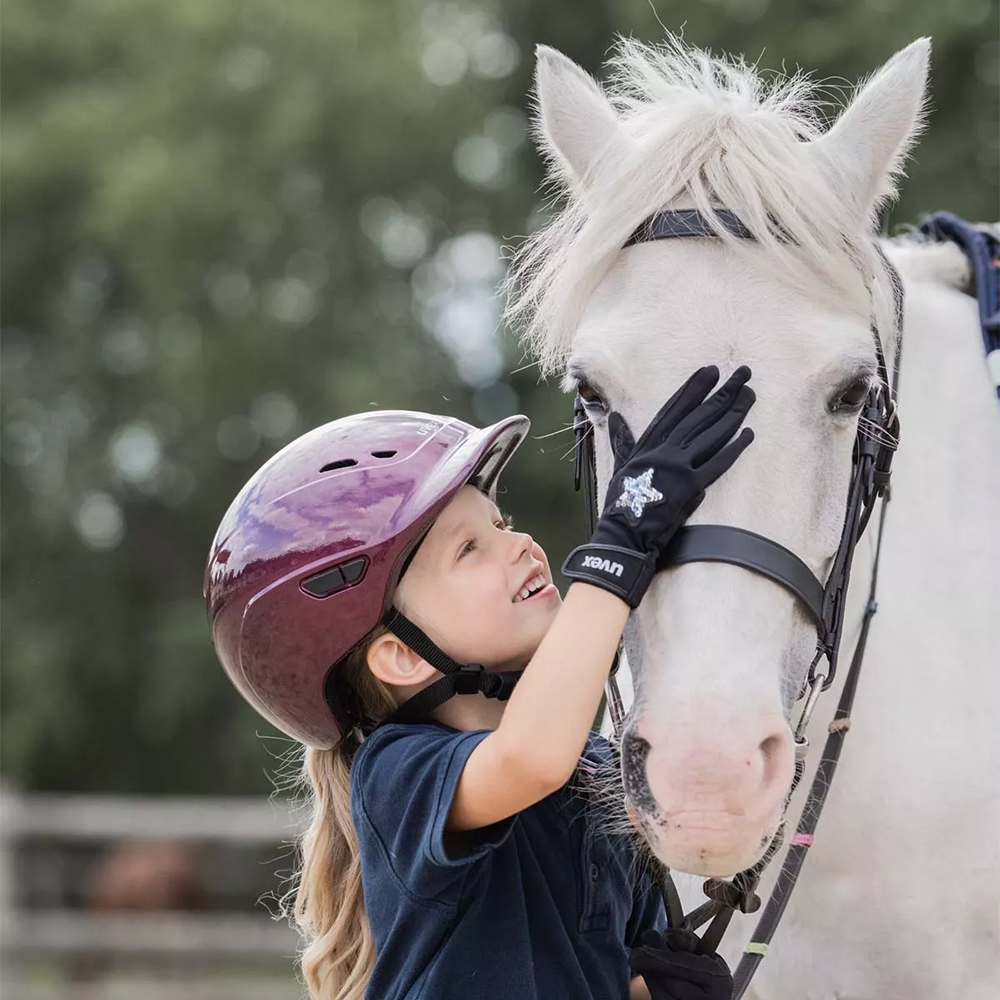
A riding helmet is the single most important piece of equipment your child will wear.
Most reputable riding schools will lend hats to beginners, which can be helpful for the first lesson or two. However, once your child starts riding regularly, investing in their own properly fitted helmet is strongly recommended.
A helmet should:
- Meet current safety standards
- Fit snugly without pinching
- Sit level on the head
- Stay secure when the child moves or shakes their head
Children often spend a lot of time grooming ponies, carrying tack and generally being around horses before and after lessons, so a well-fitting helmet protects them both in and out of the saddle.
One thing experienced parents quickly learn is that children grow fast. Check the fit regularly, particularly after growth spurts.
Top tip from the yard
Avoid buying oversized helmets "to grow into". A loose hat is extremely dangerous and cannot do its job properly.
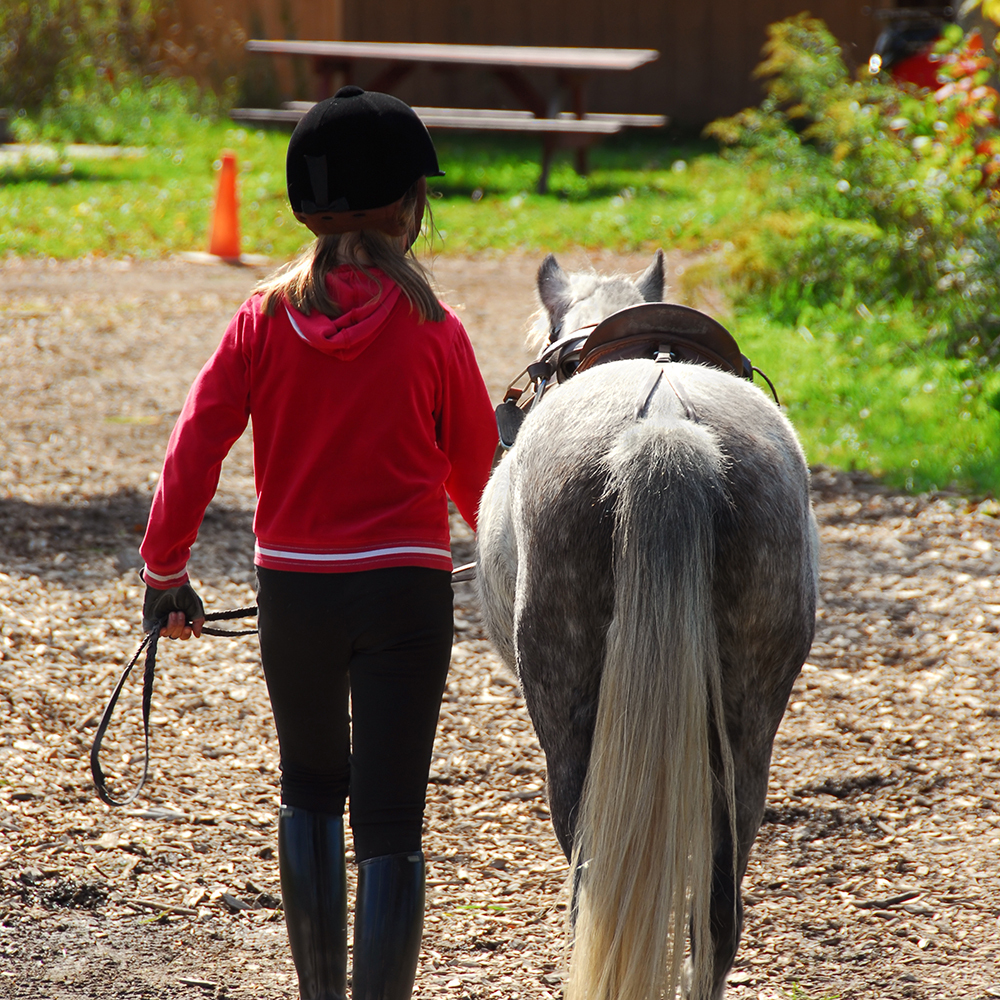
Jodhpurs or Riding Tights
For first lessons, comfortable leggings or jogging bottoms may be acceptable if the riding school agrees.
Once lessons become regular, proper jodhpurs or riding tights make a noticeable difference.
Riding-specific legwear:
- Reduces rubbing and chafing
- Allows freedom of movement
- Provides better comfort in the saddle
- Has minimal inner seams
For younger children especially, pull-on riding tights are often the easiest option. They're comfortable, practical and usually survive repeated trips through the washing machine.
Older children sometimes prefer traditional jodhpurs with belt loops as they start attending Pony Club activities or taking part in competitions.
Riding Boots: Why Wellies Are Not Suitable
Parents are often surprised to learn that wellington boots are generally unsuitable for riding.
Safe riding boots should have:
- A small defined heel
- Smooth soles
- Adequate ankle support
- No bulky tread
The heel prevents the foot from sliding through the stirrup, which is an important safety feature.
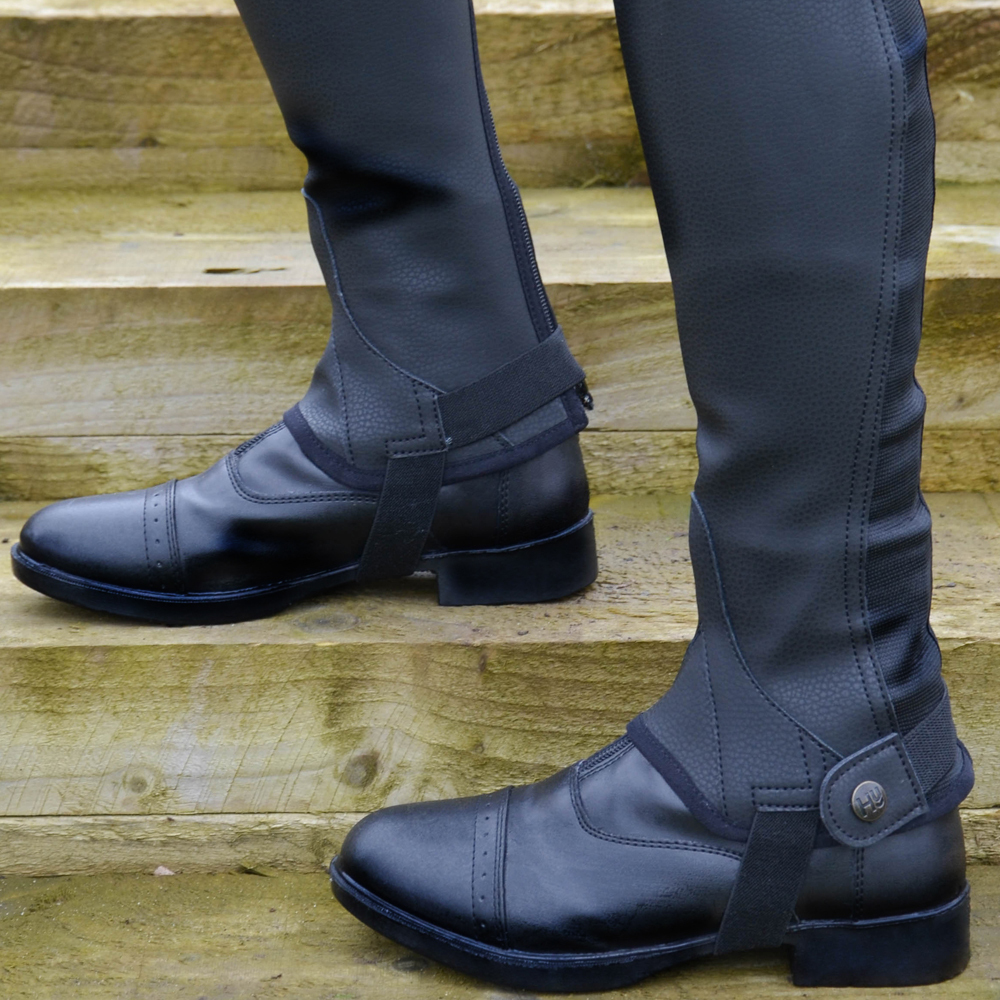
Short paddock boots are usually the best choice for beginners. They are practical for yard jobs, easy for children to walk in and typically offer better value than long riding boots for growing riders. They can be paired with chaps or gaiters for added leg protection and comfort in the saddle.
Leather boots can last well with regular care, while synthetic options are ideal for fast-growing children and muddy winter lessons.
Riding Socks Matter More Than You Think
It is tempting to send children in everyday trainer socks, but proper riding socks are worth having.
Good riding socks:
- Fit comfortably under boots
- Reduce rubbing
- Help prevent blisters
- Keep feet warm during winter lessons
Anyone who has stood beside an arena on a cold January evening in Britain knows warm feet can make the difference between an enjoyable lesson and a miserable one.
Many young riders enjoy choosing colourful pony-themed socks too, which can help nervous beginners feel more excited about lessons.
Should Beginner Riders Wear Gloves?
Gloves are not essential for every first lesson, but most regular riders quickly appreciate them.
Riding gloves help:
- Improve grip on the reins
- Protect hands from rubbing
- Keep hands warm in winter
- Prevent blisters
Children who are learning to hold reins correctly often find gloves improve their confidence, particularly when riding lively ponies or in wet weather.
Does My Child Need a Body Protector?
This depends largely on the riding school and the activities involved.
For general flatwork lessons in an arena, many riding schools do not require a body protector.
However, body protectors are commonly worn for:
- Jumping lessons
- Cross-country riding
- Pony Club rallies
- Hacking
- Riding camps
If your child progresses quickly, a body protector often becomes part of their standard riding wardrobe.
As with helmets, fit is crucial. Body protectors should always be professionally fitted wherever possible.
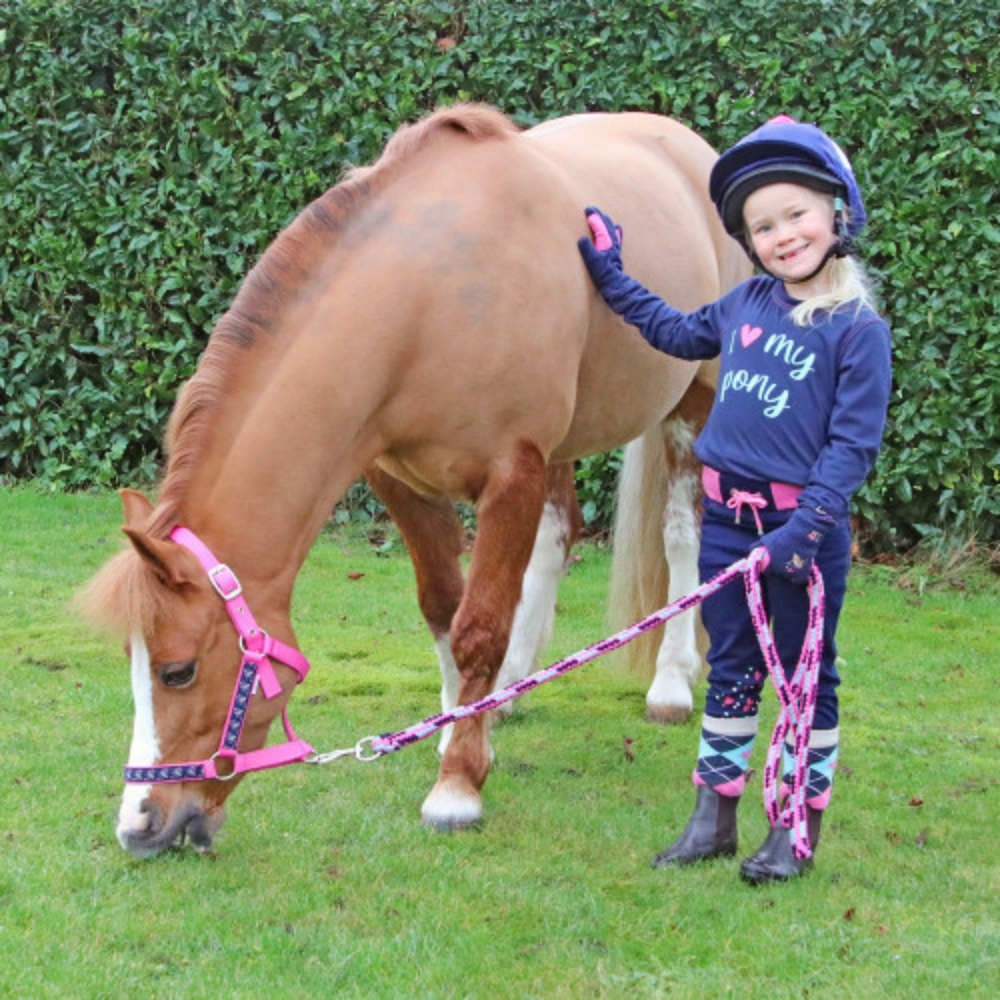
What Should Children Wear for Their First Riding Lesson?
For a very first lesson, most riding schools are happy with:
- Leggings or stretchy trousers
- Boots with a small heel if available
- A long-sleeved top
- A fitted coat if cold
- A borrowed riding helmet
Avoid:
- Shorts
- Jeans with thick inner seams
- Hoodies with large hoods flapping behind
- Wellies
- Trainers
If you're unsure, contact the riding school before the lesson. Every yard has slightly different rules.
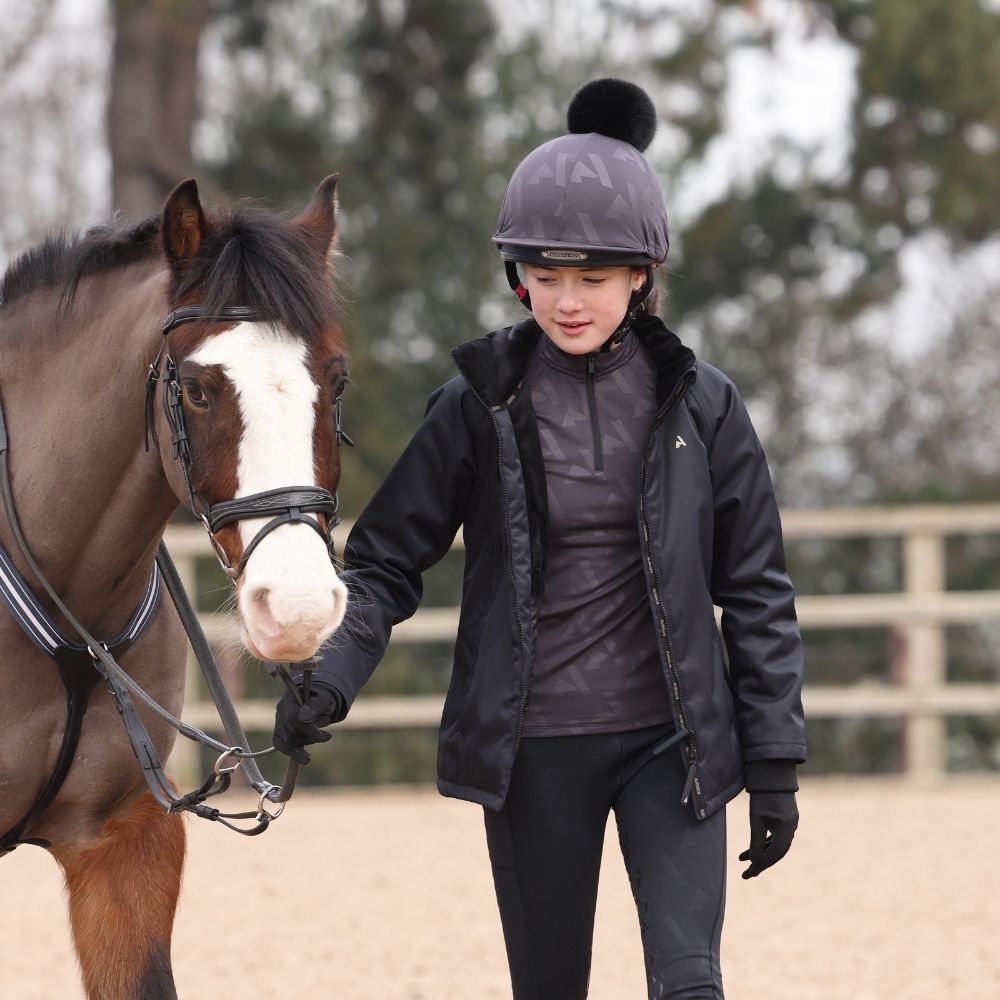
Dressing for British Weather
Horse riding rarely stops because of the weather.
Experienced horse parents soon discover the importance of layers.
Winter riding
For colder months, consider:
- Thermal base layers
- Waterproof jackets
- Warm riding gloves
- Thermal riding socks
- Waterproof overtrousers for particularly wet days
Summer riding
During warmer weather, lightweight breathable clothing helps children stay comfortable.
Always pack:
- Water
- Sun cream
- A lightweight layer
- Spare clothes for the journey home
Ponies have an uncanny ability to leave children muddy, even when they have not actually ridden.
Nice Extras Once Your Child Is Hooked
Once riding becomes a regular hobby, many families gradually add:
- Half chaps
- Grooming kits
- Riding competition wear
- Hair accessories
- Hat bags
- Boot bags
- Personalised kit bags
There is no need to buy everything at once. Most young riders build their collection over time.
Final Thoughts
The best first riding kit is simple, safe and comfortable.
Start with a correctly fitted riding helmet, suitable boots and comfortable riding clothing. Add extra items as your child gains experience and discovers which areas of riding they enjoy most.
One thing is almost guaranteed though. If your child starts talking endlessly about ponies on the drive home after their first lesson, you'll probably be back shopping for more riding gear sooner than expected.
FAQ SECTION
How much should I spend on my child's first riding outfit?
For complete beginners, it makes sense to buy practical mid-range essentials rather than premium equestrian wear. Children grow quickly, so comfort, safety and durability matter more than expensive technical features - so brands like Aubrion are an excellent choice.
Can my child ride in trainers?
Most riding schools do not allow trainers because they lack a heel, which can increase the risk of the foot slipping through the stirrup.
Should I buy long riding boots or short boots first?
Short paddock boots are usually the most practical choice for beginner children. They are easier to walk in, generally more affordable and cope better with everyday yard life.
How many pairs of jodhpurs does a beginner need?
One or two pairs is usually enough when lessons begin. Once children start riding more than once a week, parents often appreciate having extras available while the laundry catches up.
Do children need their own riding helmet immediately?
Many riding schools provide loan helmets for first lessons. If your child plans to continue riding regularly, purchasing their own correctly fitted helmet is recommended for comfort, hygiene and consistent fit.
When your child is preparing for their very first lesson (or nagging to go again), having the right kit helps them feel safe, comfortable and ready to enjoy every minute in the saddle. Explore our full range of kids' riding gear to get them started with confidence.
