



Choosing the perfect pad
Jul 2nd 2020
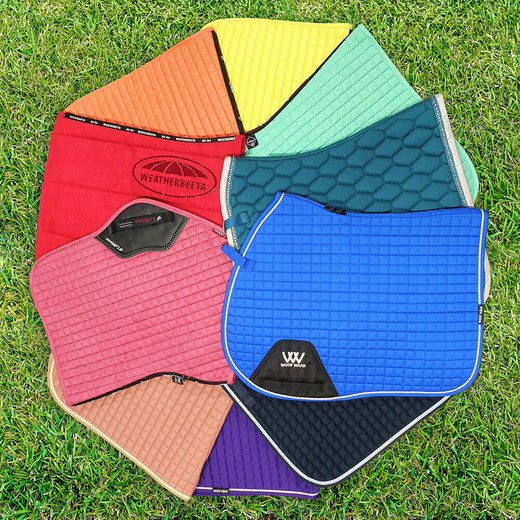
How to Choose the Right Saddle Pad or Numnah
Choosing a new saddle pad should be one of the more enjoyable equestrian purchases. There are colours to coordinate, fabrics to compare and enough quilting patterns to test even the most decisive rider. However, fit and function need to come before the matchy-matchy moment.
A saddle pad sits between your horse and saddle. It helps absorb sweat, keeps the underside of the saddle cleaner and provides a smooth layer against the horse’s back. The right pad should sit neatly under the saddle without pulling, bunching or creating pressure.
It is worth saying from the start that a pad cannot make a poorly fitting saddle fit correctly. If your horse shows signs of soreness, the saddle slips or their shape has changed, arrange a check with a qualified saddle fitter rather than trying to solve the problem with a thicker pad.
This guide explains the main types of saddle pads and numnahs, how to choose the right cut and what a good fit should look like.
What is the difference between a saddle pad, saddle cloth and numnah?
These terms are often used interchangeably, but the shapes are slightly different.
A saddle pad or saddle cloth usually has a squarer outline, so more of the fabric is visible around the saddle. You may also hear riders call this style a “square”. Pads are available in different cuts to follow the shape of dressage, general purpose and jumping saddles.
A numnah is shaped more closely around the outline of the saddle. It gives a traditional, discreet look and can be a smart choice for showing, where the aim is usually for the pad to be as unobtrusive as possible. Always check the rules for your class and discipline before competing.
Both do the same basic job, so the best option depends on your saddle, the activity and the look you prefer. Browse our traditional numnahs if you would like a closer-cut style.
Which type of saddle pad do I need?
The first thing to match is the pad to the shape of your saddle, not simply the height of your horse. The skirt and front edge should follow the saddle without seams or binding sitting beneath its weight-bearing areas.
Dressage saddle pads
A dressage saddle has a longer, straighter flap, so a dressage pad is cut deeper through the sides to provide full coverage. A GP or jump pad may be too short and forward-cut, leaving the bottom of the saddle flap sitting beyond the pad.
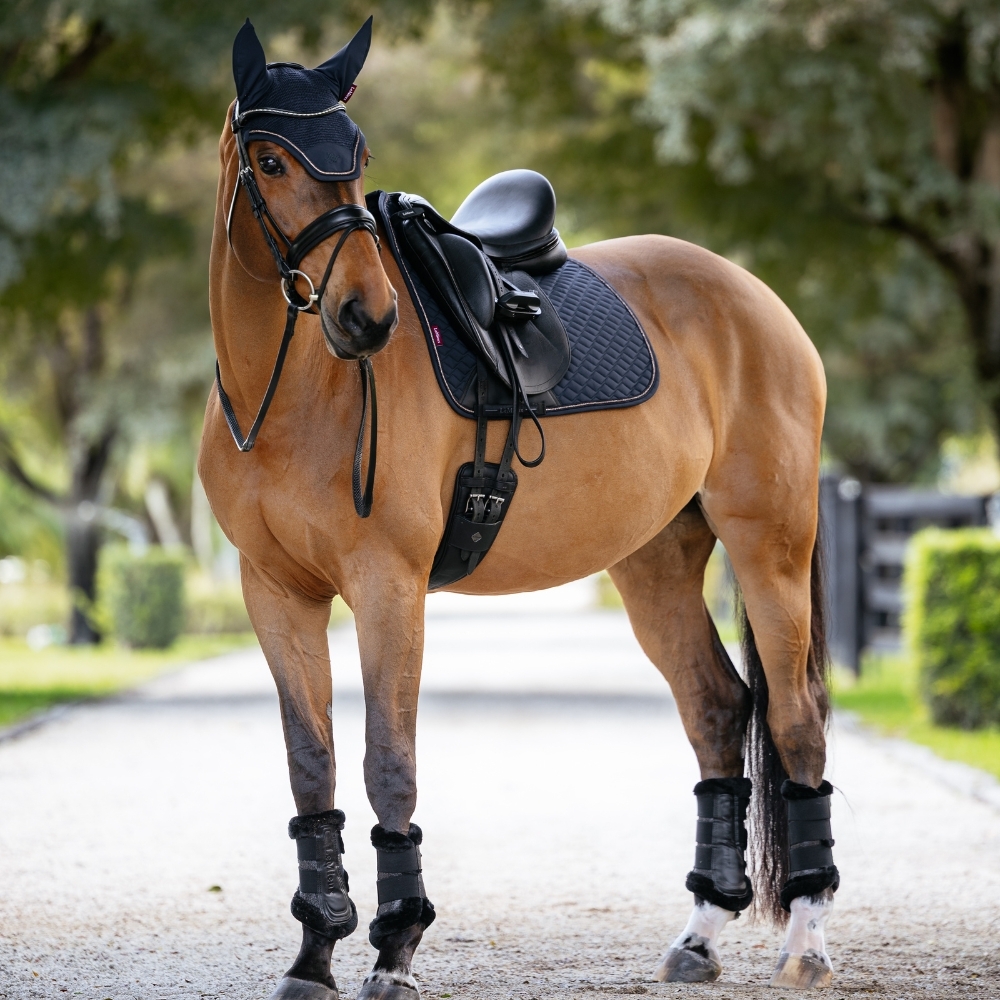
Dressage saddle pads are available for everyday schooling as well as competition, with breathable linings and technical fabrics among the options.
General purpose saddle pads
A general purpose or GP saddle sits between a dressage and jumping shape. Its pad follows that versatile cut, making it a practical choice for riding-school lessons, hacking, flatwork and small jumps when you use a GP saddle.
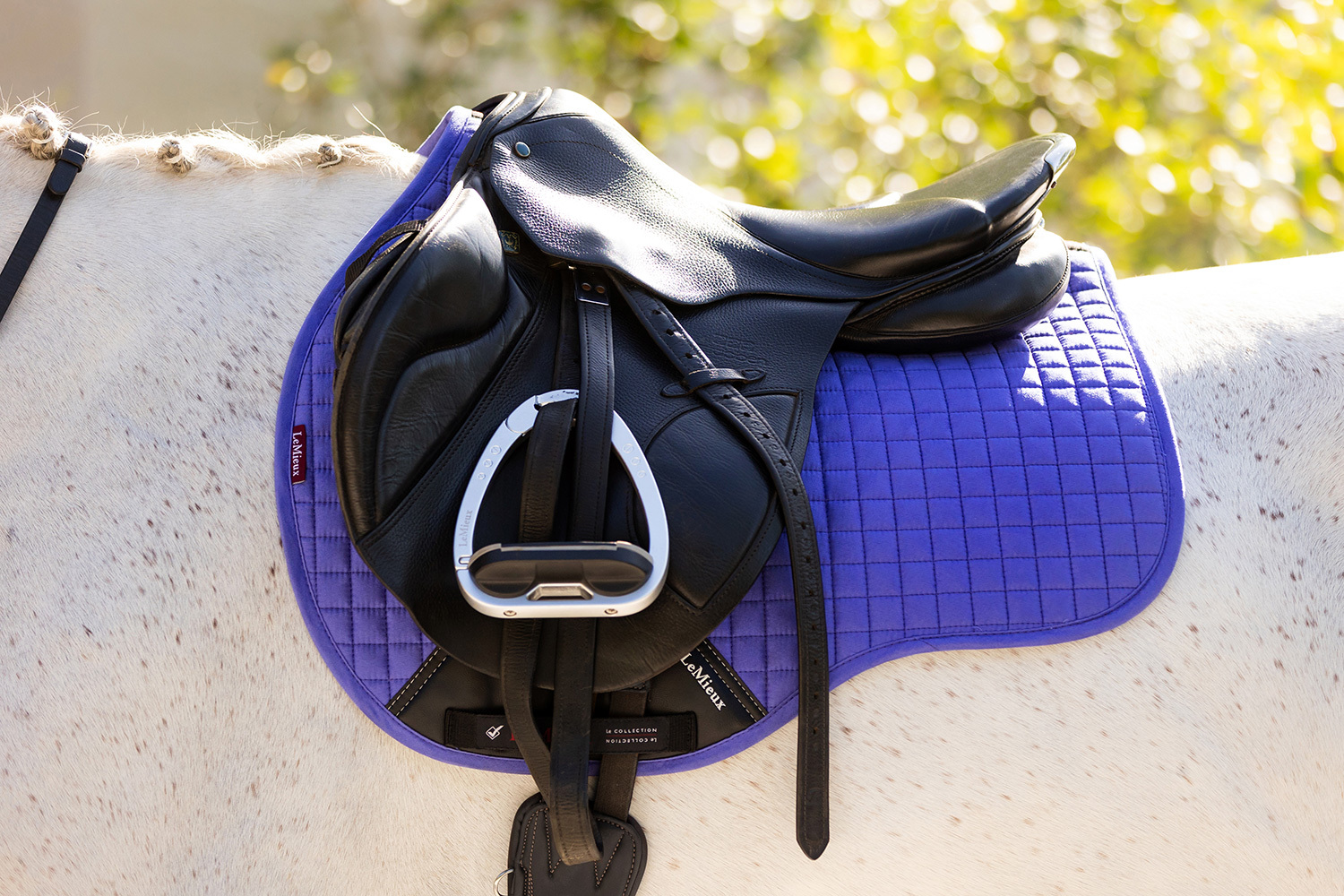
Explore our general purpose saddle pads for everyday and competition options.
Close contact and jump saddle pads
Jump and close contact saddles have a more forward-cut flap. Their pads follow this shape, giving enough coverage at the front without leaving a large amount of material behind the saddle.
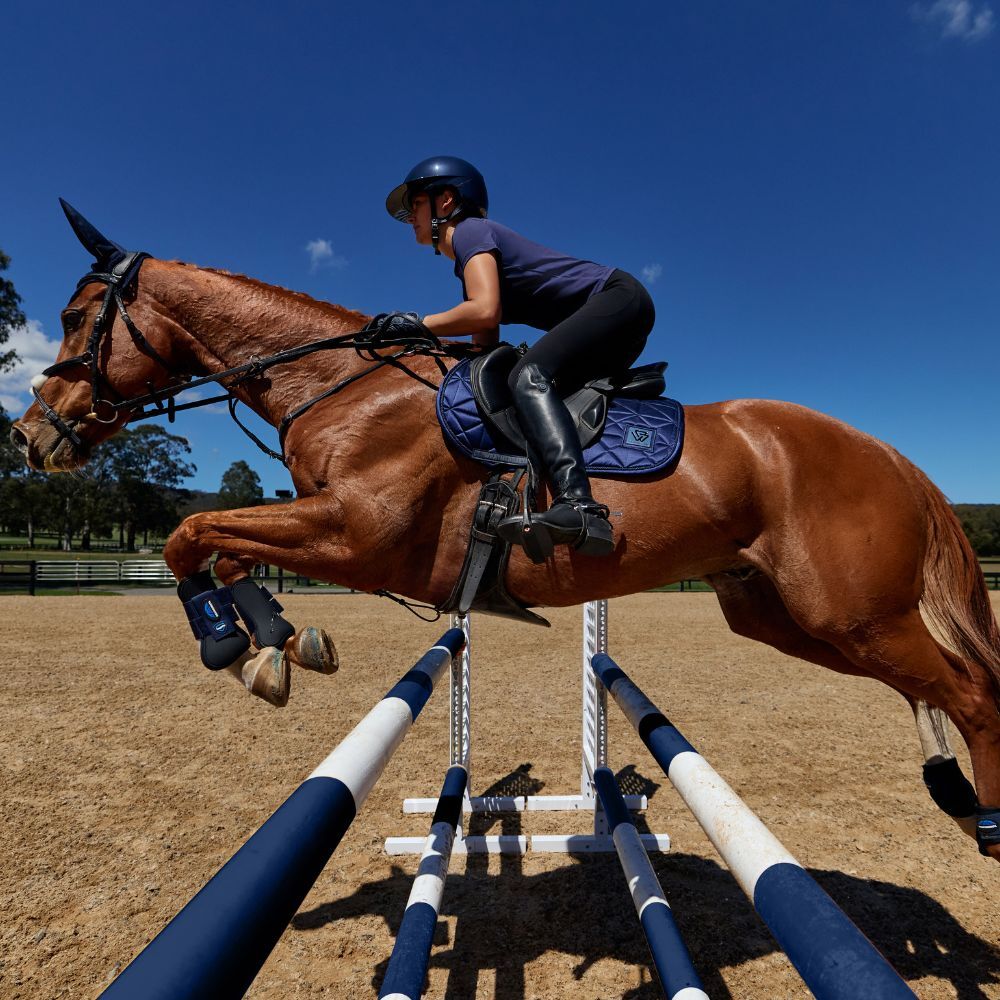
Choose from our close contact and jump saddle pads if you ride in a forward-cut saddle.
Pony saddle pads
Pony pads are designed on smaller proportions, but “pony” is not a universal size. A broad pony in a larger saddle may need a different pad from a fine pony of the same height. Use the saddle size and the measurements supplied by the brand rather than relying on hands high alone. The LeMieux Mini Collection offern an excellent range of saddle pads and accessories specifically designed for smaller ponies.
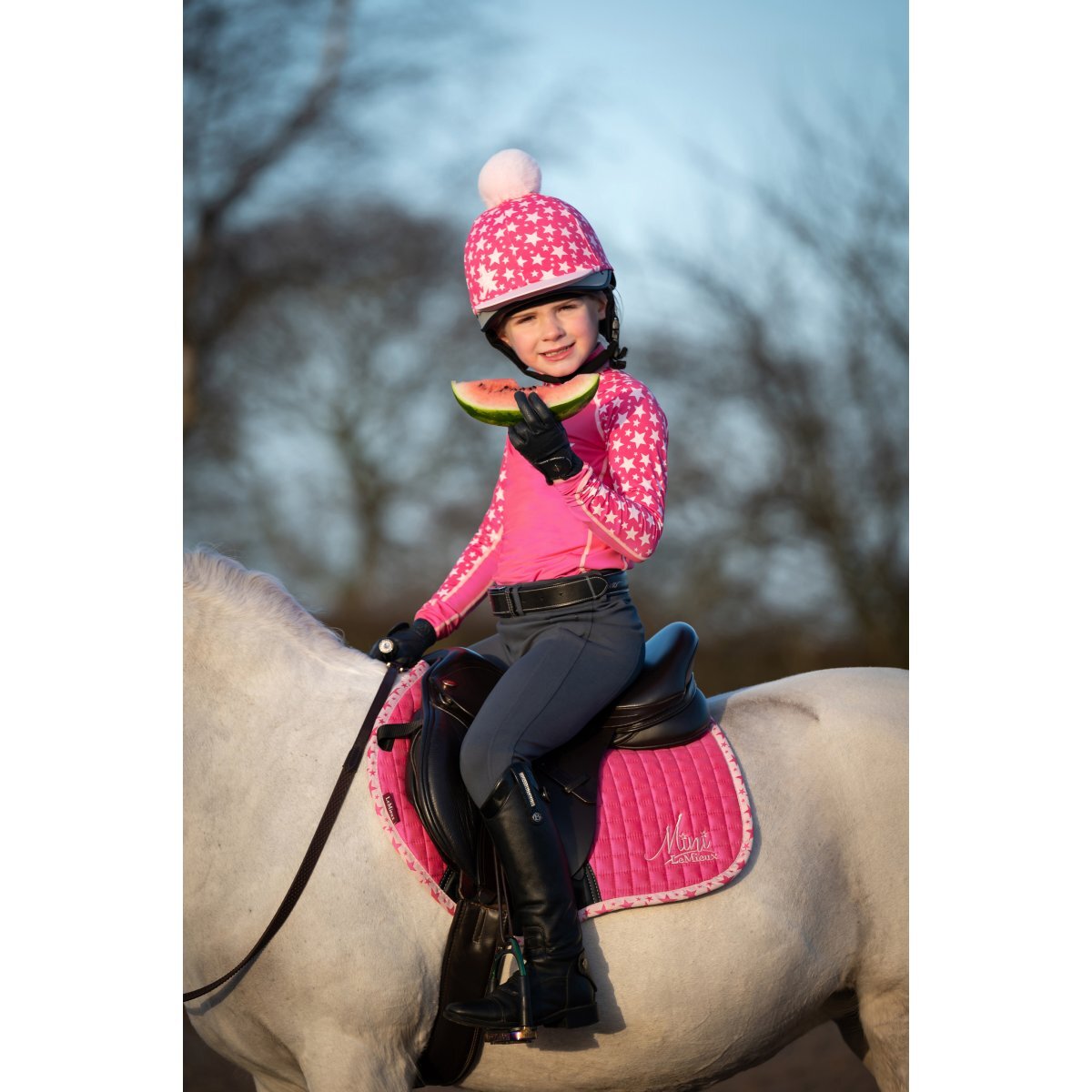
Our pony saddle pads and numnahs include shapes for different disciplines.
Western saddle pads
Western saddles cover a larger area and are constructed differently from English saddles, so they require pads made specifically for Western use. These tend to be larger and thicker than English saddle pads and are commonly made using wool, felt or technical fibres.
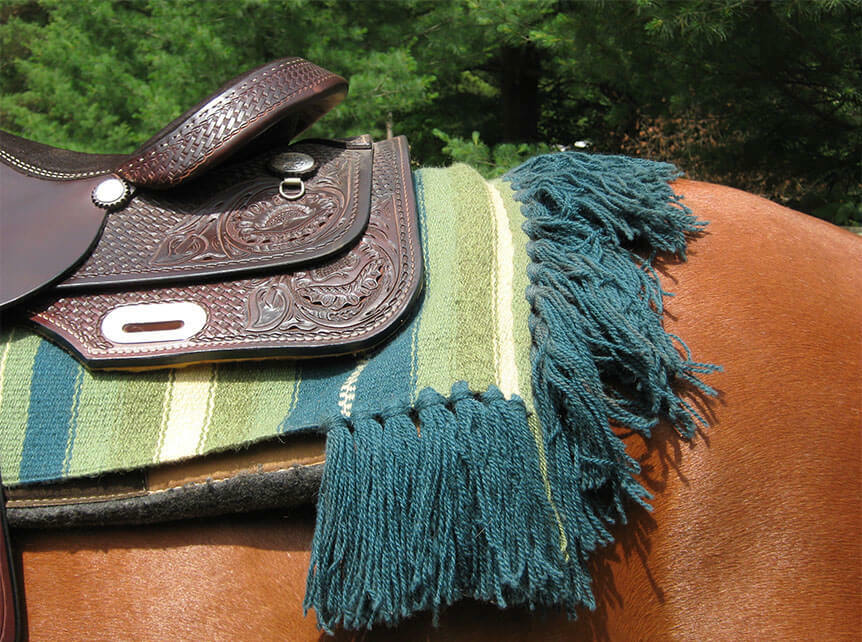
Country & Stable’s range is focused on English riding, so the remainder of this guide covers pads designed for English saddles.
What is a half pad and does my horse need one?
A half pad sits beneath the saddle, usually over a thin saddle cloth or numnah. Depending on its design, it may provide cushioning, shock absorption or a degree of adjustment through removable shims.
However, more padding is not automatically more comfortable. Adding a thick half pad reduces the space beneath the saddle and can make an otherwise suitable saddle feel tighter. Front and rear risers also change its balance.
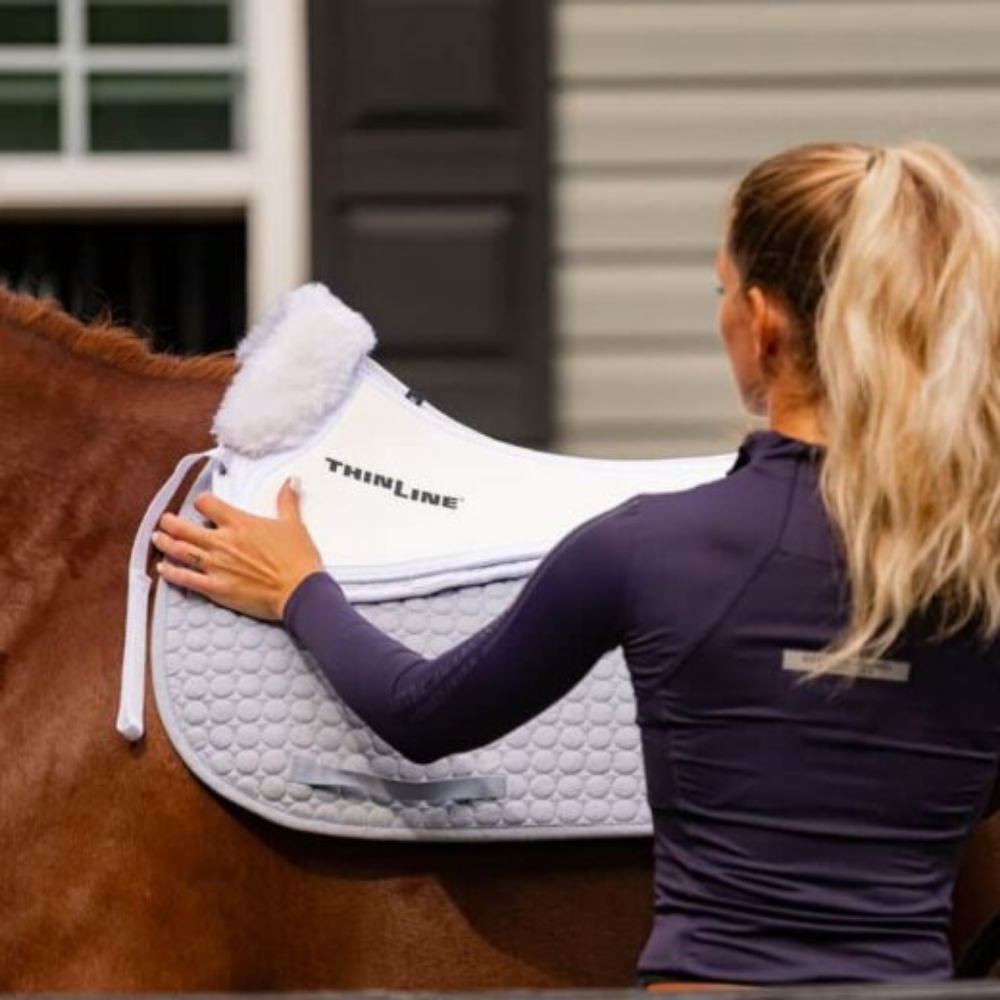
Use a half pad or gel pad because it suits the horse and saddle combination, ideally following advice from your saddle fitter, not simply to disguise movement or unevenness.
How to choose the right saddle pad size
There is no single size chart that works across every brand. Labels such as pony, cob, full, small/medium and large can refer to different measurements, so always check the individual manufacturer’s size guide.

Use this as a practical starting point:
| Check | What to look for |
|---|---|
| Match the cut | Choose dressage, GP or jump to follow the shape of your saddle. |
| Check the spine length | The pad must extend beyond the front and back of the saddle without sitting excessively far over the horse’s loins. |
| Check the drop | The saddle flap should remain fully on the pad, rather than resting on its binding or beyond its lower edge. |
| Allow a visible border | You should be able to see an even margin of pad around the saddle, particularly at the front and back. |
| Check the topline | The pad should follow the horse’s back and lift into the saddle’s gullet, rather than pressing down over the withers or spine. |
The horse’s height can offer a rough starting point, but the saddle is the more useful guide. For example, two 15hh horses may wear different saddle sizes and need different pads.
How should a saddle pad fit?
Before tightening the girth, place the pad slightly forward and slide it back into position so the hair lies flat. Set the saddle on top, then lift the front of the pad gently into the saddle’s gullet to create clearance over the withers and spine.
A correctly fitted saddle pad should:
-
sit straight and evenly on both sides;
-
cover the full underside of the saddle;
-
leave a visible, even margin around the saddle;
-
follow the wither shape without being pulled tight;
-
remain lifted through the gullet rather than bearing down on the spine;
-
lie smoothly, without folds, bulky seams or straps trapped underneath; and
-
stay secure without restricting the horse’s shoulder.
Once the girth is fastened, check the pad again. After riding, look for bunching, rubbed hair, unusual sweat patterns or areas that feel tender. These do not prove the pad is the cause, but they are good reasons to stop and investigate the complete saddle fit.
Which saddle pad material is best?
The best material depends on your horse, workload, washing routine and budget. Fabric names alone do not guarantee a particular result, so look at the pad’s complete construction—including the lining, filling, spine design and binding.
Cotton and polycotton
Cotton and cotton-blend pads are popular for everyday riding because they are soft, versatile and often easy to wash. Check the care label, as some colours and fillings need gentler treatment.
Bamboo and moisture-wicking linings
Technical linings are designed to help move moisture away from the coat and may dry more quickly than traditional fabrics. They can be useful for horses in regular work or during warmer weather, although the breathability of the whole pad matters—not only the lining.
Wool and sheepskin
Wool and sheepskin are valued for softness, temperature regulation and moisture management. They need careful cleaning to maintain their shape and fibres, and thick styles must be allowed for when assessing saddle fit.
Foam and fibre fillings
Foam and fibre layers add structure and cushioning. The amount and density vary considerably, from slim everyday pads to more substantial corrective designs. Avoid assuming that the thickest option offers the best protection.
Gel and non-slip materials
Gel and grip materials may help with shock absorption or stability in certain designs, but they should not be relied on to stop a saddle that moves because it does not fit. Some synthetic materials can also retain more heat, so consider the horse, workload and season.
Choosing a pad for everyday riding, competition and summer
For everyday schooling and hacking, washable fabric and secure but uncomplicated fastenings are often more useful than decorative details. If your horse sweats heavily, prioritise a breathable construction and a lining that dries efficiently.
For competition, choose the correct saddle shape and check the rules for your discipline. White is traditional for dressage, while show jumping allows more freedom in many settings. Showing usually calls for no pad or a discreet numnah that closely follows the saddle and complements the horse. Our guide to showing classes and what to wear offers more discipline-specific advice.
In warmer weather, a lightweight or mesh design may improve airflow, but correct fit is still the priority. Remove the pad after riding, brush away loose hair and allow it to dry fully before its next use.
How to care for a saddle pad
Sweat, grease and loose hair can make a pad stiff and uncomfortable, so do not wait until competition morning to discover that every clean square has mysteriously vanished from the tack room.
-
Brush off hair and dried dirt after use.
-
Let a damp pad dry fully in a well-ventilated place.
-
Fasten touch-tape straps before washing to prevent snagging.
-
Follow the manufacturer’s washing instructions, particularly for wool, sheepskin, gel and memory foam.
-
Reshape the pad while damp and allow it to air-dry unless the care label says otherwise.
-
Replace it if the filling has compressed unevenly, the binding has become hard or the fabric is damaged where it sits beneath the saddle.
Saddle pad FAQs
Can a saddle pad fix an ill-fitting saddle?
No. A different pad may be recommended as part of a professionally assessed set-up, but it cannot correct a saddle that is the wrong shape, width or balance. Ask a qualified saddle fitter to check persistent slipping, pressure or soreness.
Should a saddle pad be bigger than the saddle?
Yes. The saddle should sit fully within the pad, with a visible margin around its front, sides and back. It should not rest on the binding, seams or beyond the pad’s edge.
Can I use a dressage pad under a GP saddle?
It may physically cover the saddle, but the straps, seams and proportions may not sit in the right places. A pad cut for your saddle type will usually give the neatest and most reliable fit.
Do I need both a saddle pad and a half pad?
Not necessarily. Many horses only need a correctly fitted saddle and a suitable saddle pad or numnah. Add a half pad only when its thickness and purpose have been considered as part of the overall saddle fit.
How many saddle pads should I own?
There is no compulsory yard number... despite what the overflowing tack room may suggest! In practical terms, having at least two suitable everyday pads means one can be washed and dried while the other is in use.
How often should I wash a saddle pad?
It depends on the horse’s workload, how much they sweat and the fabric. Brush it after use and wash it before sweat and hair build up into a stiff layer. Always follow the care label.
Find the right pad for your horse and saddle
Start with the saddle shape, check the brand’s measurements and look for a smooth fit with good clearance over the withers and spine. Once those boxes are ticked, you can enjoy choosing the colour.
Explore our full collection of saddle pads and numnahs for dressage, GP, jumping, showing and everyday riding.
