











Mud Fever Treatment & Protection
Choosing Mud Fever Care for Your Horse
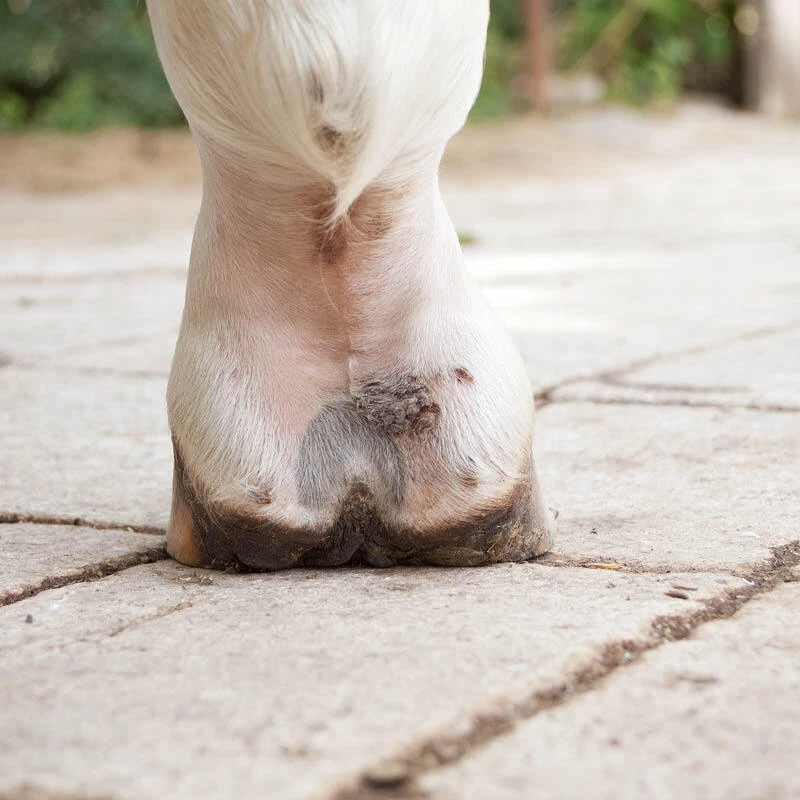
When paddocks turn muddy, checking heels and pasterns soon becomes part of bringing in. Knowing whether you need everyday protection or help with an existing skin problem makes choosing products easier. Our guide to mud fever in horses explains the causes, signs and management options. If you suspect mud fever, speak to your vet for a diagnosis and treatment plan, particularly if there's heat, swelling, pain or lameness.
Barrier Protection or Care for Sore Skin?
Barrier creams such as NAF Mud Gard help create a protective layer on clean, dry skin before turnout. The Lincoln Muddy Buddy range includes washes, ointments and powders, so check each product's purpose and directions before choosing. Protection for healthy skin and treatment for damaged skin need different approaches. Avoid applying thick barriers over wet, dirty legs, and seek veterinary advice before using products on broken or infected skin. If washing is needed, dry legs thoroughly afterwards.
Would Mud Boots Help Your Turnout Routine?
Within our stable and turnout boots range, look for styles specifically designed for mud protection, such as ARMA Deluxe Mud Socks. Correct fit matters: boots should stay in place without rubbing or letting grit collect underneath. Remove them regularly to inspect the skin, keep them clean and dry between uses and follow the recommended wear time. Wherever possible, give your horse somewhere dry to stand away from persistent mud.