



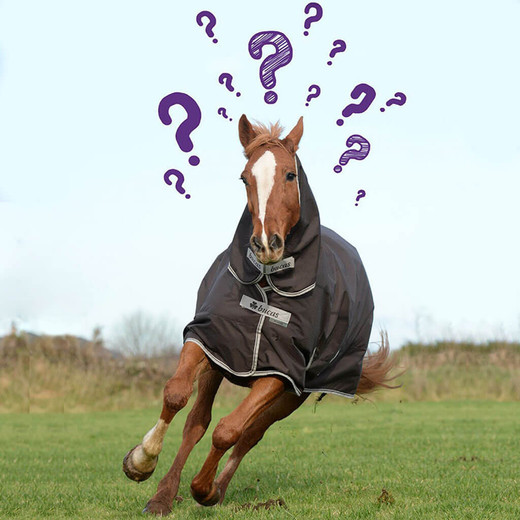
Horse Rug Buying Guide: How to Choose the Best Rug for Your Horse
Choosing the right horse rug is essential for keeping your horse comfortable, protected and performing at their best all year round. Whether you’re dealing with winter chills, wet weather or summer flies, the right rug makes all the difference.
But with so many options available like different weights, materials, fits and styles, it can be difficult to know where to start.
In this complete horse rug buying guide, we’ll break down everything you need to know, from rug types and sizing to weights, denier and when your horse actually needs a rug.
Types of Horse Rugs Explained
Before choosing a rug, it’s important to understand the different types available and when to use them.
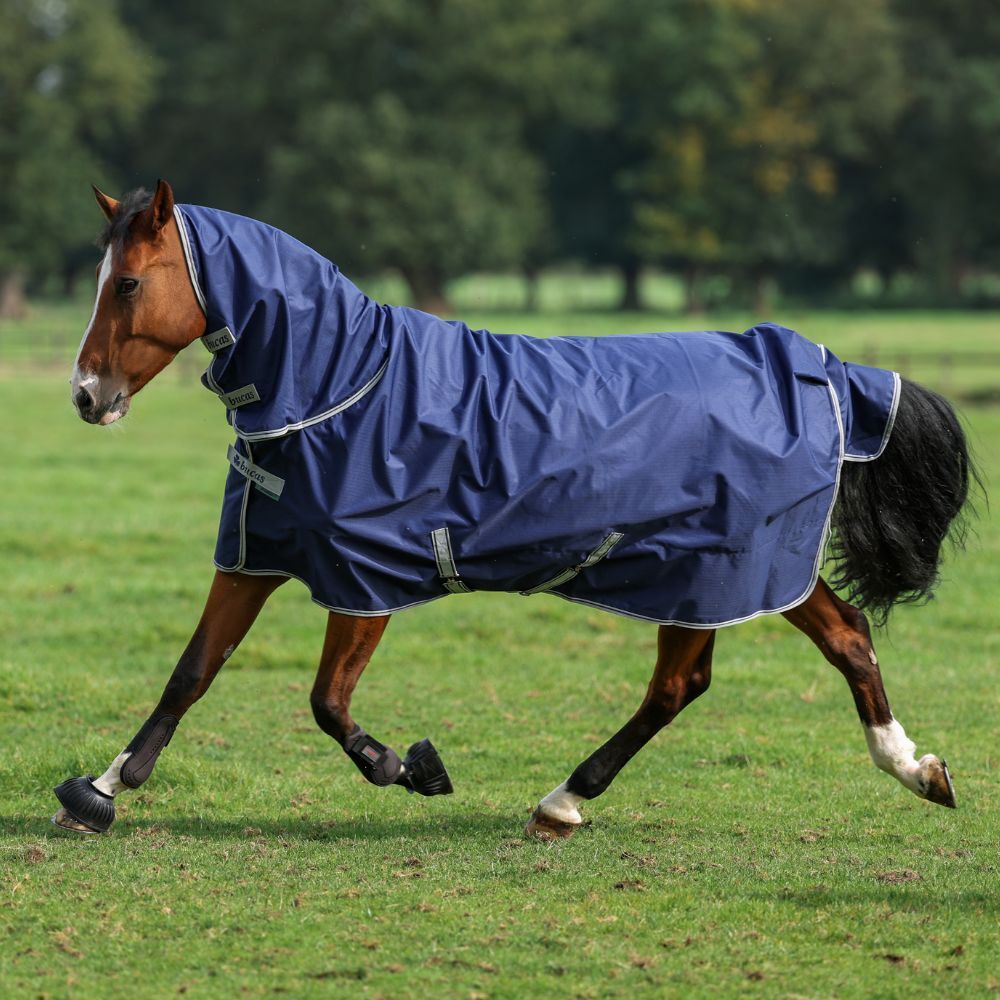
Turnout Rugs
Turnout rugs are designed for outdoor use and are both waterproof and durable. They’re made with a tougher outer fabric (higher denier) to withstand mud, rolling and field wear.
Ideal for: Field turnout in wet, cold or unpredictable weather
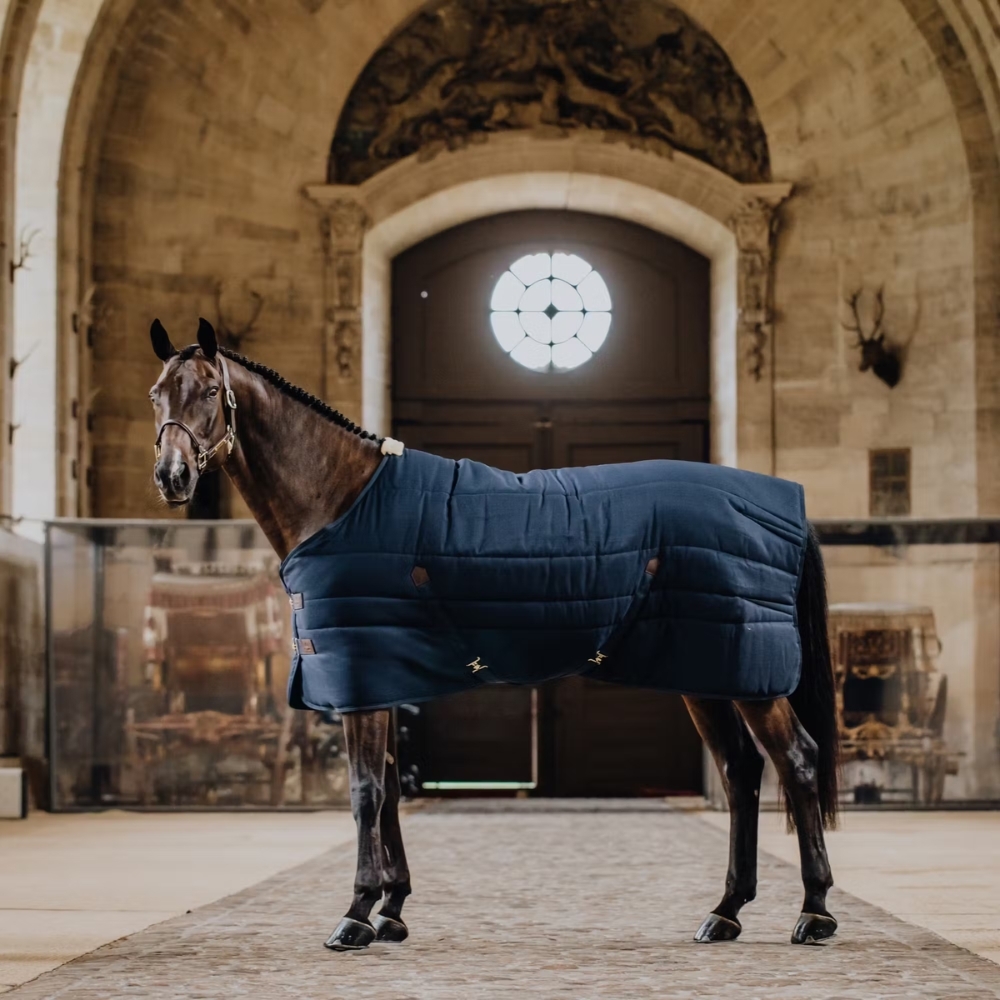
Stable Rugs
Stable rugs are used indoors and are not waterproof. They’re softer, warmer and designed for comfort when your horse is stabled.
Ideal for: Horses kept in overnight or during colder months
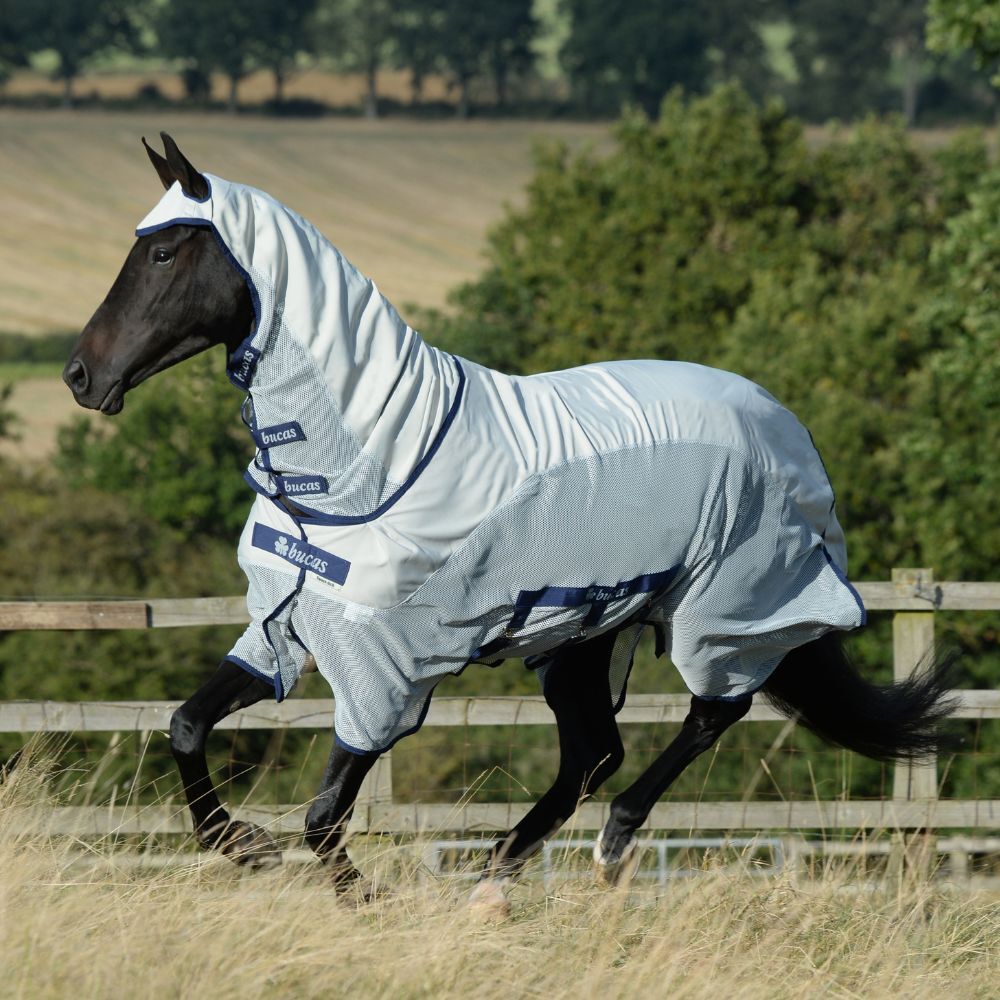
Fly Rugs
Lightweight and breathable, fly rugs protect your horse from flies, insects and UV rays during warmer months.
Ideal for: Spring/summer turnout
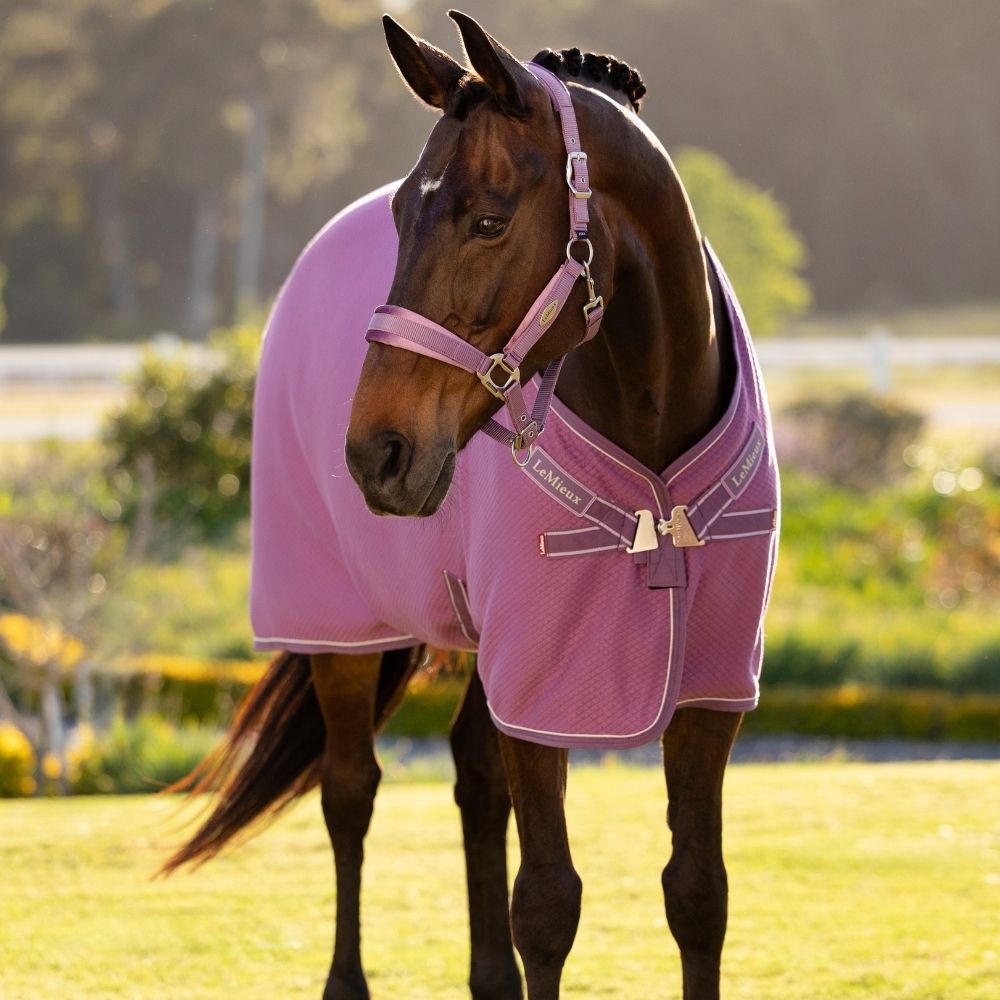
Coolers, Fleeces & Sheets
These are versatile indoor rugs used for:
- Cooling down after exercise
- Travelling
- Lightweight layering
Rug Liners
Many modern rugs allow you to add a rug liner underneath to increase warmth without needing multiple rugs.
Great for: Adjustable layering through changing seasons
What Does Denier Mean in Horse Rugs?
Denier refers to the strength of the rug’s outer fabric. The higher the denier, the more durable and tear-resistant the rug will be.
- 600D–1200D → Lightweight, suitable for calm horses
- 1200D–1680D → Stronger, ideal for regular turnout
- 1680D+ → Heavy-duty, best for playful or rugged horses
Want to learn more? Read our full guide on Denier Explained.
Turnout vs Stable Rugs: Key Differences
| Feature | Turnout Rugs | Stable Rugs |
|---|---|---|
| Waterproof | Yes | No |
| Durability | High (field use) | Moderate |
| Breathability | Weather-dependent | High (indoor comfort) |
| Use | Outdoors | Indoors |
Choosing between the two depends on whether your horse is turned out or stabled.
What Size Horse Rug Do I Need?
Getting the right size is crucial for both comfort and safety.
In the UK and Europe, horses are measured from chest to hindquarters (withers to tail).
How to Measure Your Horse
- Use a soft tape measure
- Measure from the centre of the chest
- Go along the side to the back of the hindquarters
Why Fit Matters
A poorly fitting rug can cause:
- Rubbing and sores
- Slipping and movement
- Tears and reduced waterproofing
Always check brand-specific sizing, as this can vary.
You can also explore brand-specific advice in our Horseware Rug Guide.
Horse Rug Weights Explained
Rug weight refers to the amount of filling (in grams) inside the rug.
Common Rug Weights
- 0g–100g (Lightweight): Mild, rain sheets, fly rugs
- 150g–250g (Mediumweight): Cold autumn/winter
- 300g–400g+ (Heavyweight): Very cold winter conditions
However, choosing the right weight depends on more than just the season.
Factors That Affect Rug Weight Choice
- Clipped vs unclipped horse
- Age and condition
- Breed (native vs fine-coated)
- Weather and exposure
- Shelter availability
Not sure what trug to put on your horse today? Read our full Horse Rug Weight Guide for temperature-based recommendations.
When Should You Rug Your Horse?
Not all horses need rugs, some cope well naturally.
Signs Your Horse May Need a Rug
- Feels cold behind the withers
- Coat standing on end
- Weight loss in winter
- Clipped coat
Signs Your Horse May Be Too Hot
- Sweating under the rug
- Damp or clammy coat
- Lethargy
Always check under the rug daily to ensure comfort.
How to Choose the Right Rug for Your Horse
When selecting a rug, consider:
1. Weather Conditions
Rain, wind and temperature all impact rug choice.
2. Your Horse’s Lifestyle
- Turnout vs stabled
- Clipped vs unclipped
- Activity level
3. Durability Needs
If your horse rolls or plays, choose a higher denier rug.
4. Fit & Comfort Features
Look for:
- Shoulder gussets
- Adjustable fastenings
- Breathable lining
- Neck covers (optional)
How Often Should You Replace Horse Rugs?
Horse rugs don’t last forever, but lifespan varies.
Replace Your Rug If:
- It leaks or loses waterproofing
- There are large rips or tears
- The filling has flattened
- It no longer fits correctly
Regular cleaning and reproofing can extend lifespan significantly.
Top Horse Rug Brands to Consider
At Country & Stable, we stock leading brands known for quality and performance, including:
- Horseware Ireland
- WeatherBeeta
- Bucas
Each brand offers different fits, technologies and rug systems to suit your horse.
Final Thoughts: Finding the Perfect Horse Rug
Choosing the right horse rug comes down to understanding your horse’s needs, the environment they live in, and the level of protection required.
By considering rug type, weight, fit and durability, you’ll be able to confidently choose a rug that keeps your horse comfortable in every season.
Still unsure? Our expert team at Country & Stable is always happy to help, just get in touch.
Frequently Asked Questions About Horse Rugs
What is the difference between turnout and stable rugs?
Turnout rugs are waterproof and durable for outdoor use, while stable rugs are softer and designed for indoor comfort.
How do I measure my horse for a rug?
Measure from the chest to the hindquarters using a soft tape measure, then match this to a brand-specific size chart.
What weight horse rug should I use in winter?
Heavyweight rugs (300g–400g+) are typically used in colder winter conditions, but this depends on your horse and weather.
What does denier mean in horse rugs?
Denier refers to the strength of the outer fabric. Higher denier rugs are more durable and resistant to tearing.
How long do horse rugs last?
Rugs can last several seasons if cared for properly, but should be replaced when damaged or no longer effective.
