



Mud fever in Horses: Causes, Prevention & Treatment
Mar 6th 2026

Mud Fever in Horses: Prevention, Treatment & When to Call the Vet
The past few winters have been increasingly wet leaving horses and their owners battling through muddy fields with many horses looking more like swamp monsters than the usually perfectly groomed equine companions we know and love. And with mud comes all sorts of complications. Losing your welly in the mud is the least of our worries when you’ve got the stress of whether your horse will be struck with mud fever.
For many horse owners winter routines start to revolve around checking legs, brushing off mud and hoping today isn’t the day those telltale scabs appear. It can feel like you’re constantly one muddy turnout away from dealing with another flare up.
If you’ve ever dealt with it before you’ll know how frustrating it can be. Mud fever can be persistent, uncomfortable for your horse and in some cases extremely serious. The good news is that with the right prevention and early treatment it’s usually manageable.
What Is Mud Fever?
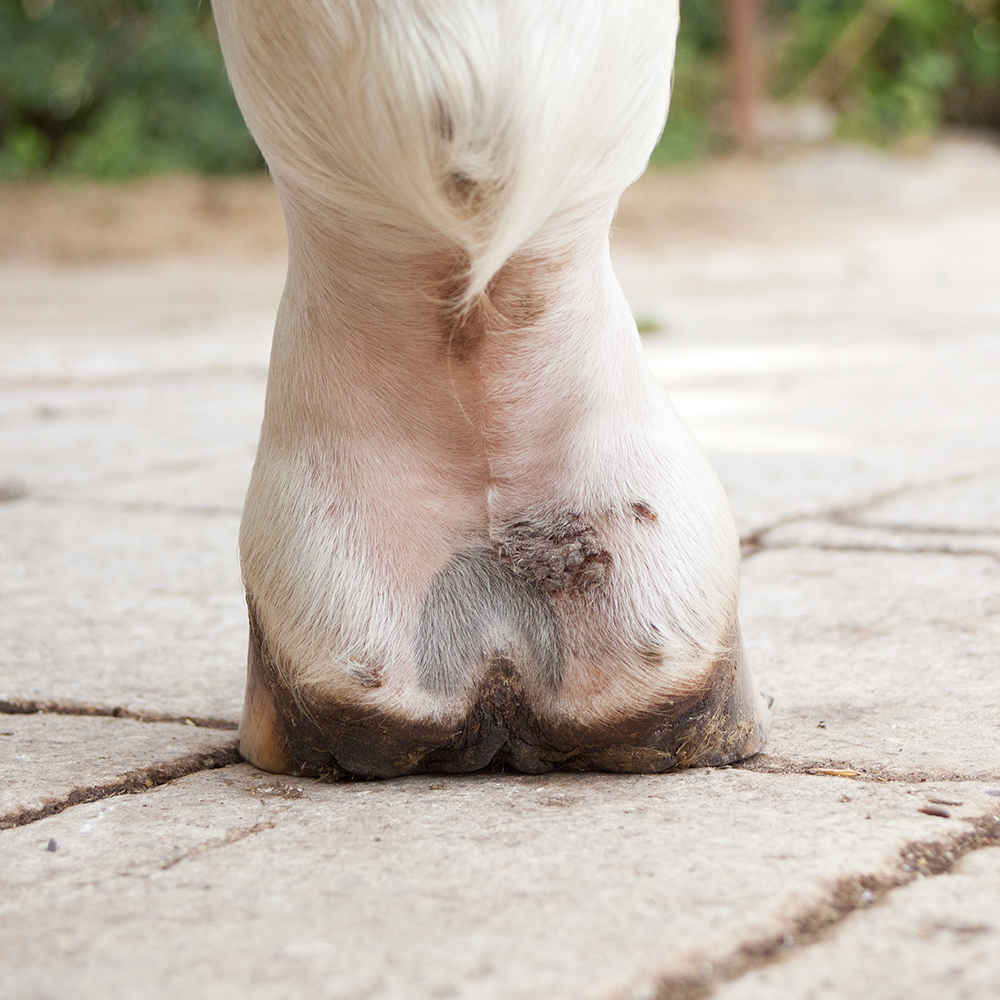
Mud fever also known as pastern dermatitis is a bacterial skin infection that affects the lower legs of horses, typically around the pastern and heel area.
It’s commonly caused by the bacterium Dermatophilus congolensis although fungal organisms and other bacteria can also contribute. Prolonged exposure to wet muddy conditions softens the skin allowing bacteria to penetrate and cause infection.
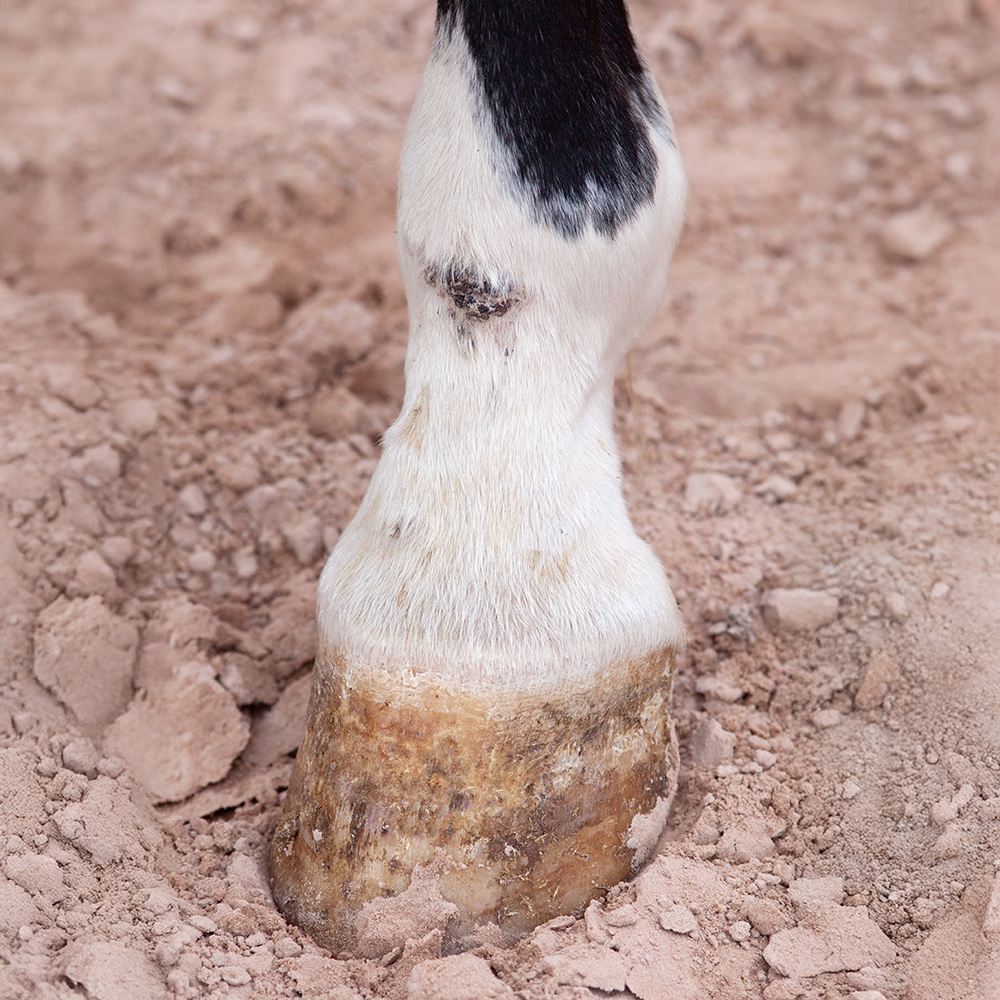
Signs and symptoms of mud fever include:
- Scabs and crusty lesions
- Red inflamed skin
- Hair loss
- Swelling in the lower leg
- Oozing or sore patches
- Sensitivity when touched
- In more severe cases lameness can occur.
What Horses Are Most Prone to Getting Mud Fever?
While any horse can develop mud fever some are more susceptible than others:
- Horses with white legs or pink skin
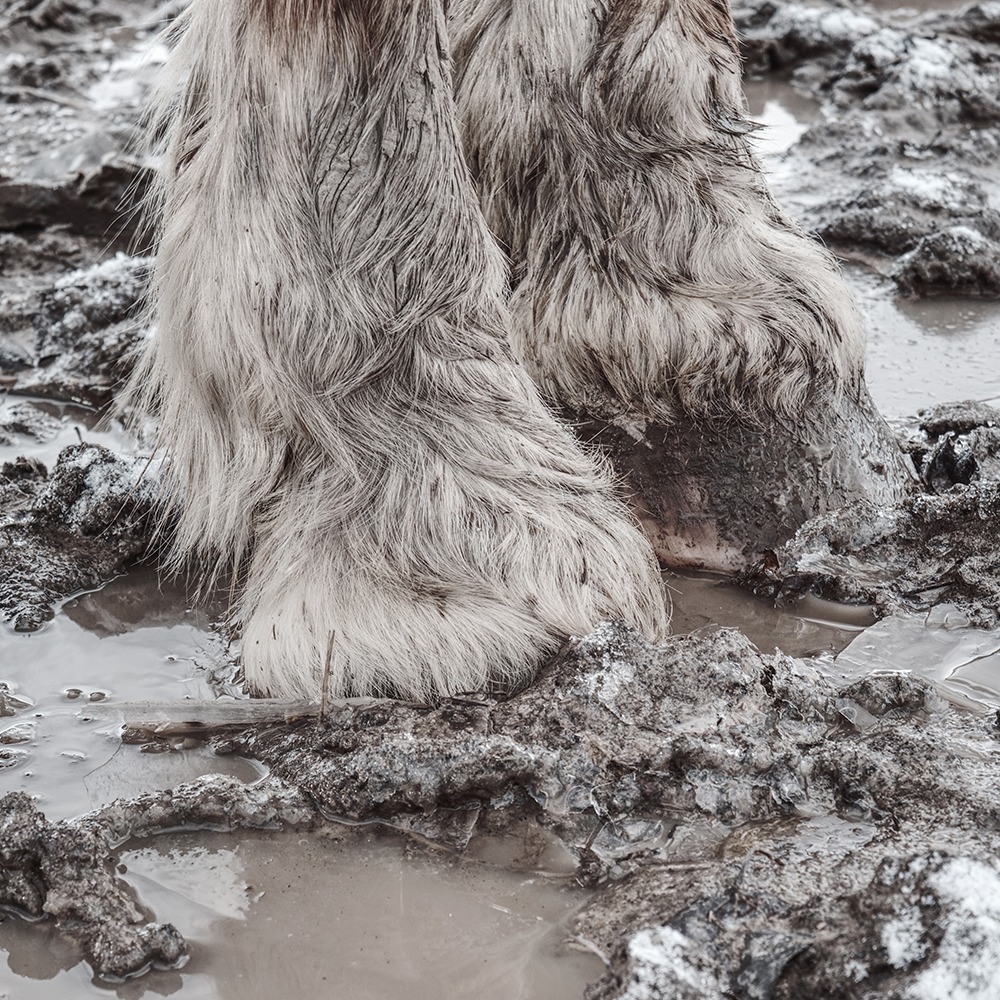
- Heavy feathered breeds such as cobs and draught types
- Horses turned out for long periods in wet muddy paddocks
- Horses with compromised immune systems
- Horses that already have small cuts or abrasions on their legs
- Feathered horses can trap moisture close to the skin while horses with white legs often have more sensitive skin that is prone to damage.
What’s the Easiest Way to Prevent Mud Fever and Fungal Infections?
Prevention is always better than cure and consistency really is key.
When fields turn into mud baths it can feel like you’re fighting a losing battle but a few simple management steps can make a big difference.
1. Create a Protective Barrier Against Mud
Applying a protective barrier cream or powder can help repel water and prevent bacteria from entering softened skin.
Traditional options like pig oil are commonly used but there are also purpose made products designed specifically for mud fever prevention.
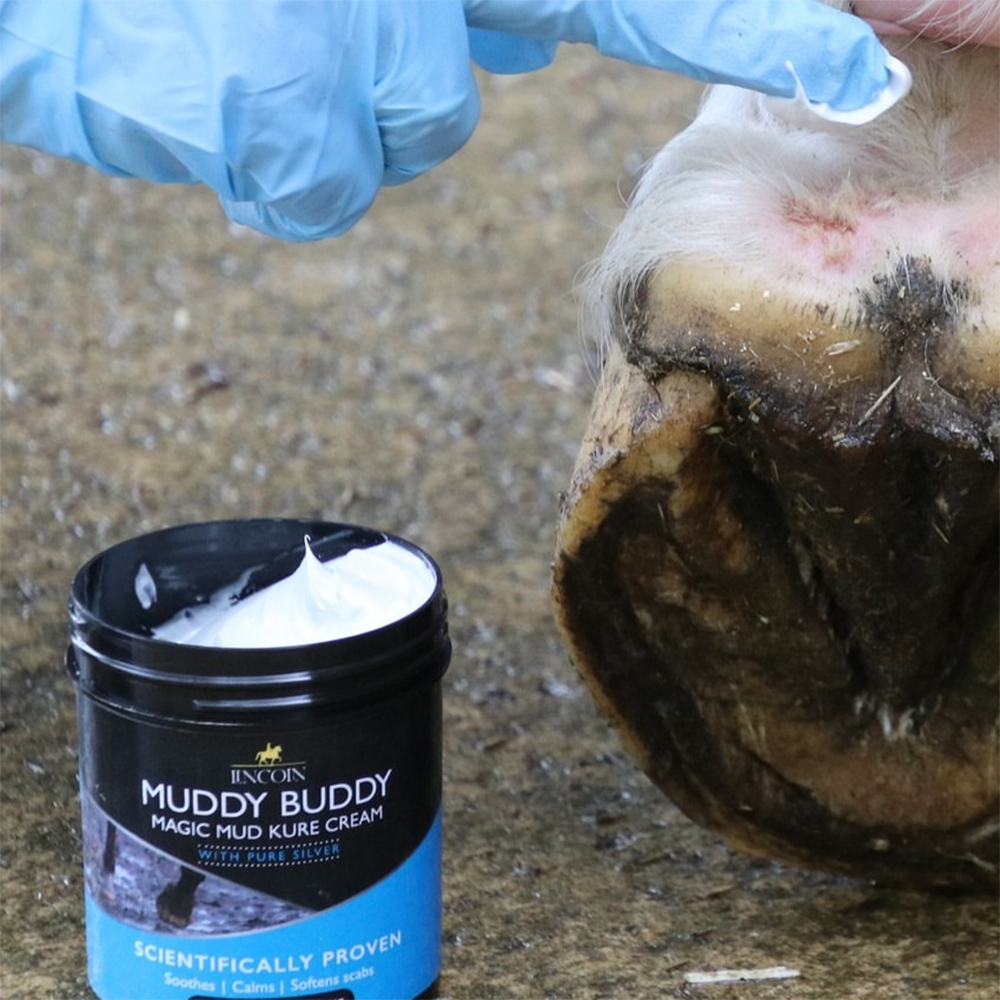
Barrier creams like Lincoln Muddy Buddy Mud Protection Creams create a water resistant layer over the skin that helps block mud and moisture while still allowing the skin to breathe. These types of creams are particularly useful for horses with sensitive skin or those prone to recurring mud fever.
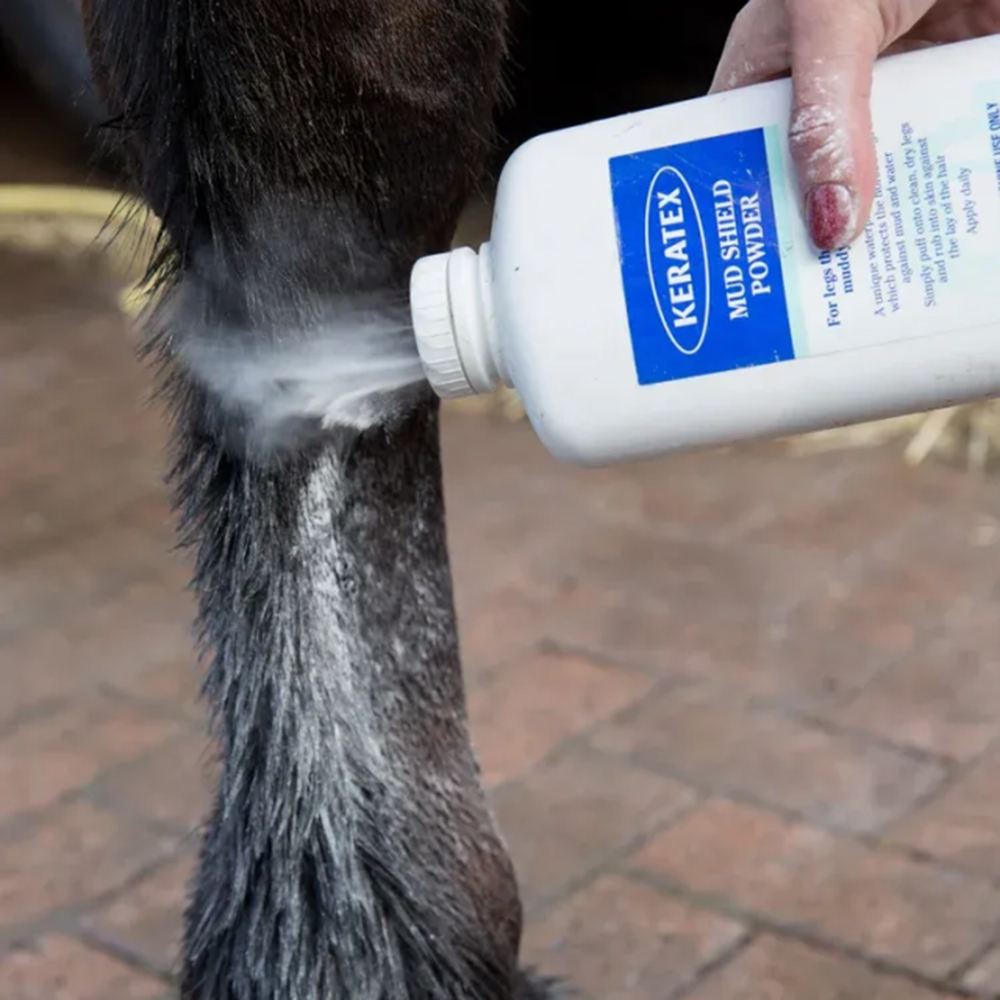
For horses already dealing with mild irritation or damp conditions drying products like Keratex Mud Powder can help absorb moisture and keep the skin dry reducing the environment bacteria need to thrive.
However barrier creams and powders should not be applied to open wounds or active infections without veterinary guidance.
2. Use Turnout Mud Boots or Chaps
One of the most effective ways to prevent mud fever is by physically preventing mud from contacting the skin.
Turnout mud boots and chaps act as a protective layer around the lower leg keeping the pastern and heel area clean and dry.
Popular options used by many horse owners include:
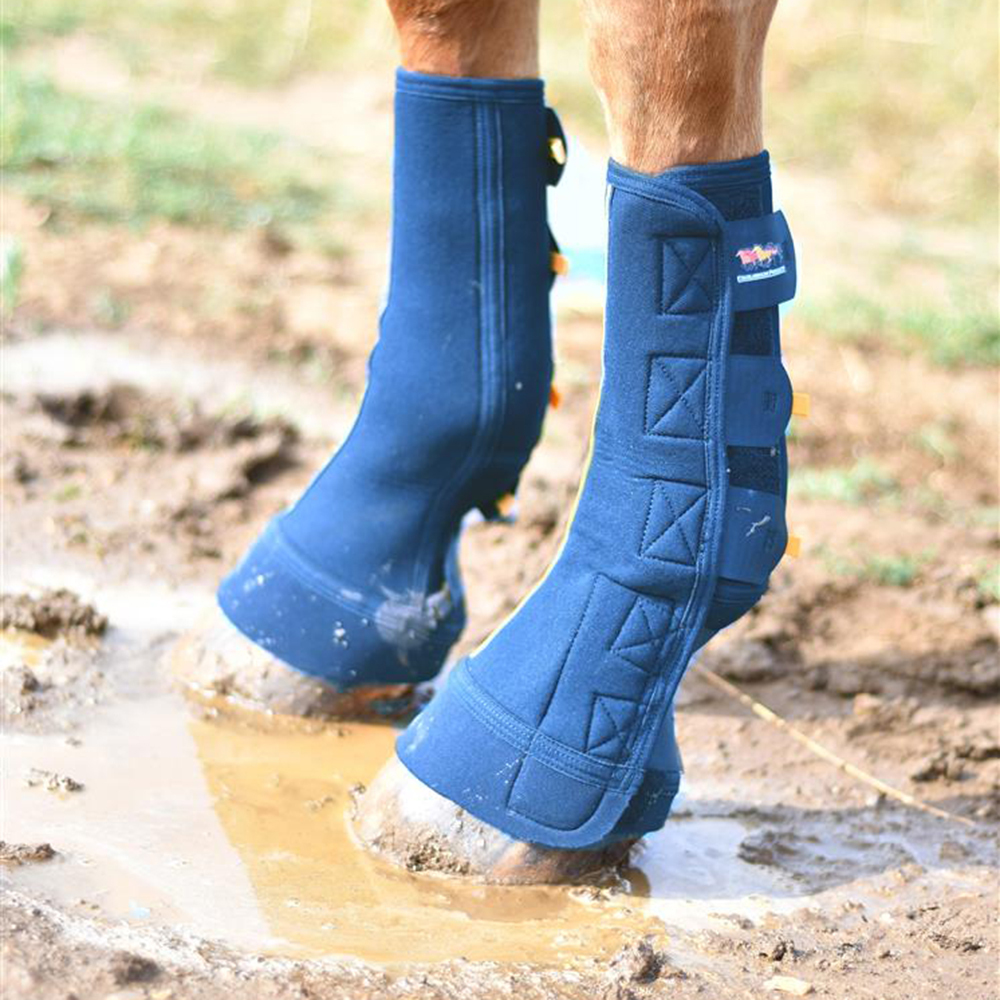
Equilibrium Equi-Chaps – designed to wrap around the entire lower leg to create a protective barrier against mud while remaining breathable.
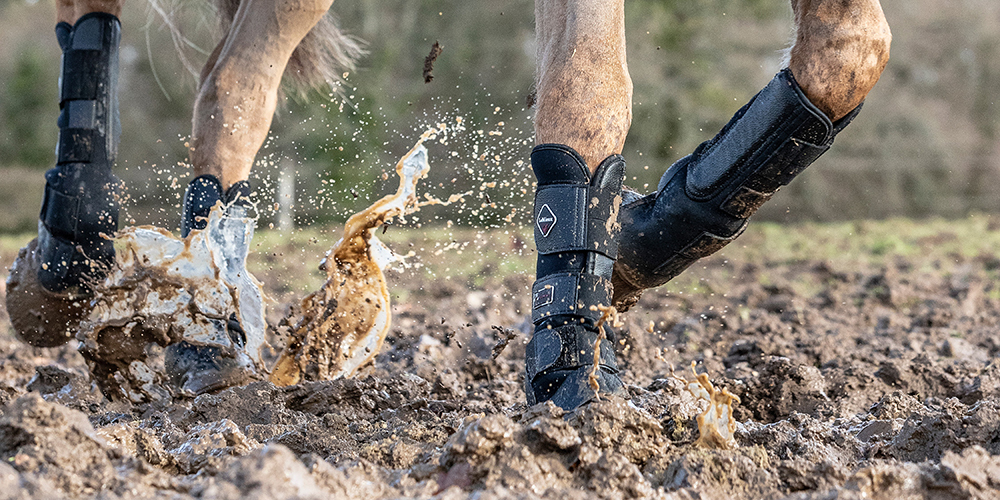
LeMieux Turnout Boots – lightweight turnout boots designed to protect the lower leg from wet conditions and minor knocks in the field.
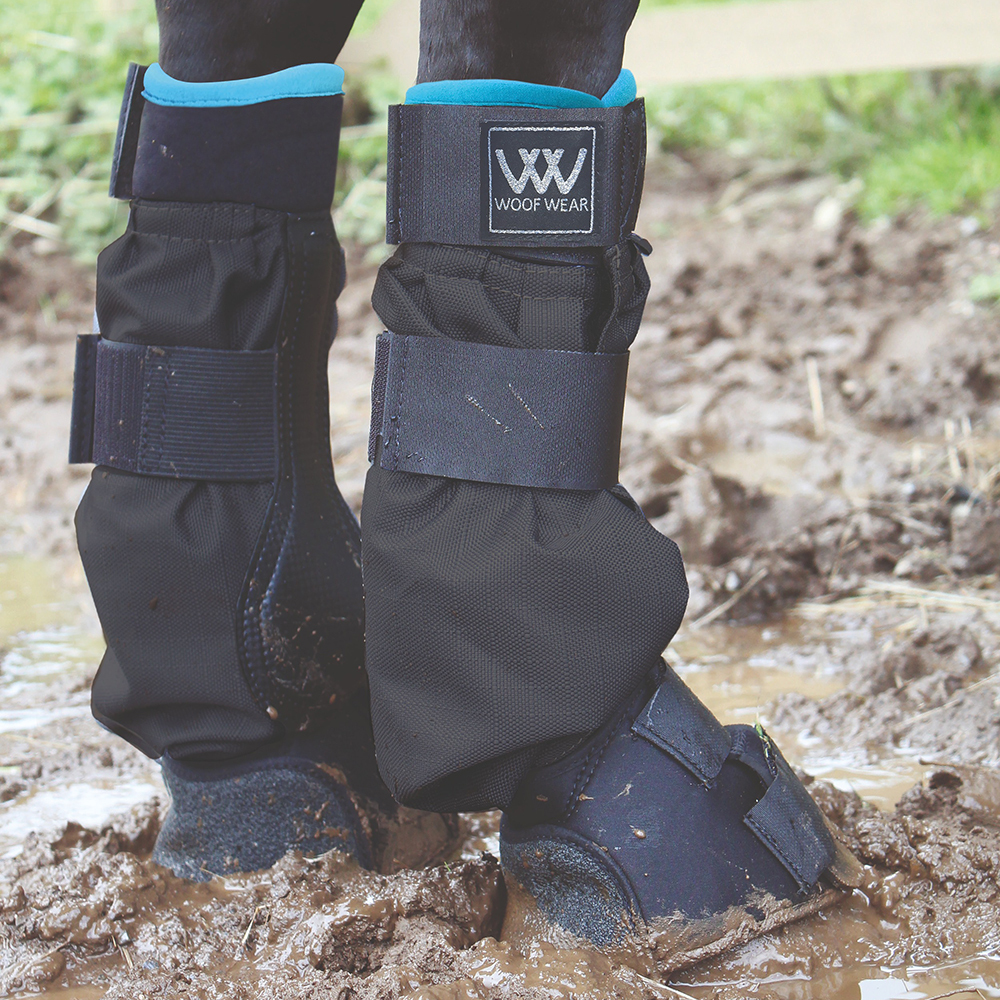
Woof Wear Turnout Mud Fever Boots – durable boots designed specifically for muddy turnout environments offering protection for horses prone to mud fever while allowing freedom of movement.
These boots can be particularly helpful for horses that must remain turned out during prolonged wet weather.
When using mud chaps or turnout boots:
- Ensure they fit properly
- Remove daily to check the legs
- Keep them clean and dry between uses
- Avoid leaving them on for extended periods without inspection
3. Keep Legs Clean and Dry Without Over Washing
Avoid excessive washing as this strips natural oils and weakens the skin barrier. If legs are muddy but dry brushing off dried mud is often better than hosing.
If washing is necessary:
- Use a mild antibacterial wash
- Rinse thoroughly
- Dry completely
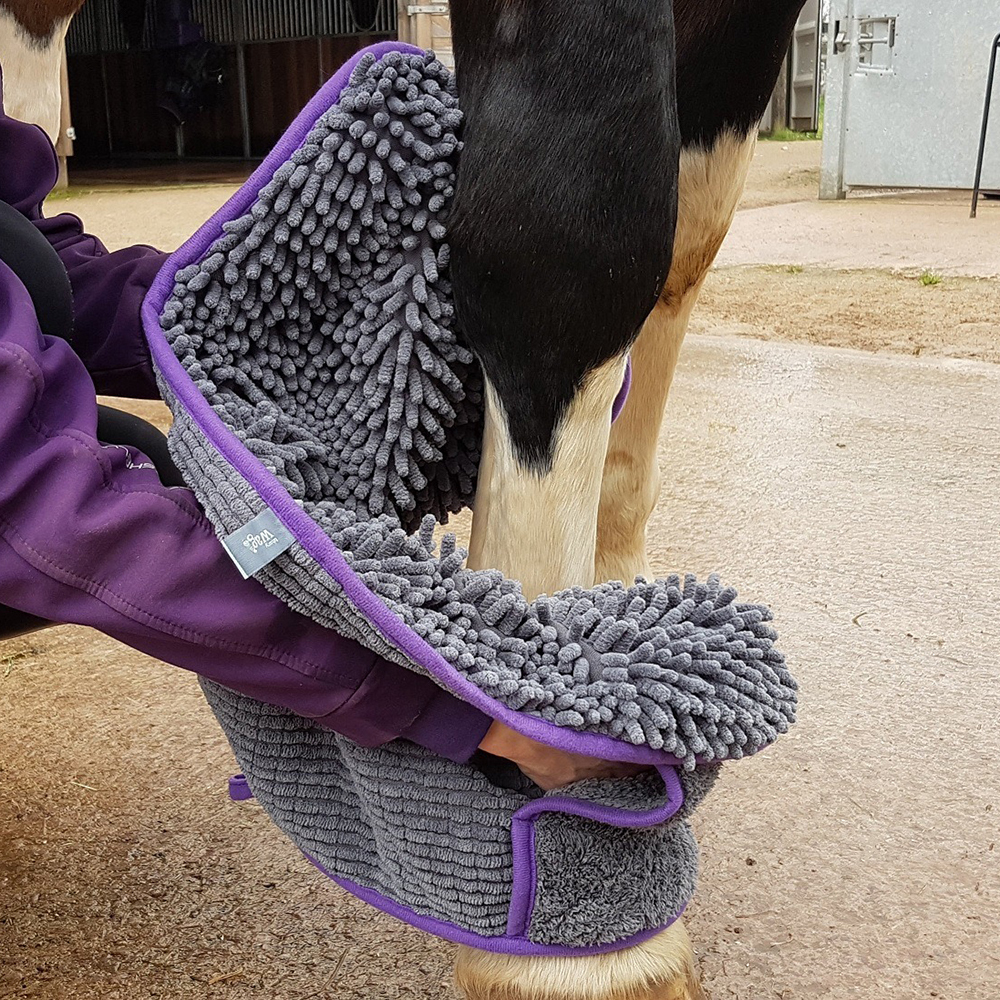
Top Tip: Keep 3 to 4 towels or horse drying mitts at the yard so you've always got a clean and dry one to hand.
4. Improve Field Management
Where possible:
- Rotate grazing
- Fence off particularly boggy areas
- Provide hard standing near gateways and water troughs
Reducing the amount of time horses spend standing in deep mud can significantly lower the risk of mud fever developing.
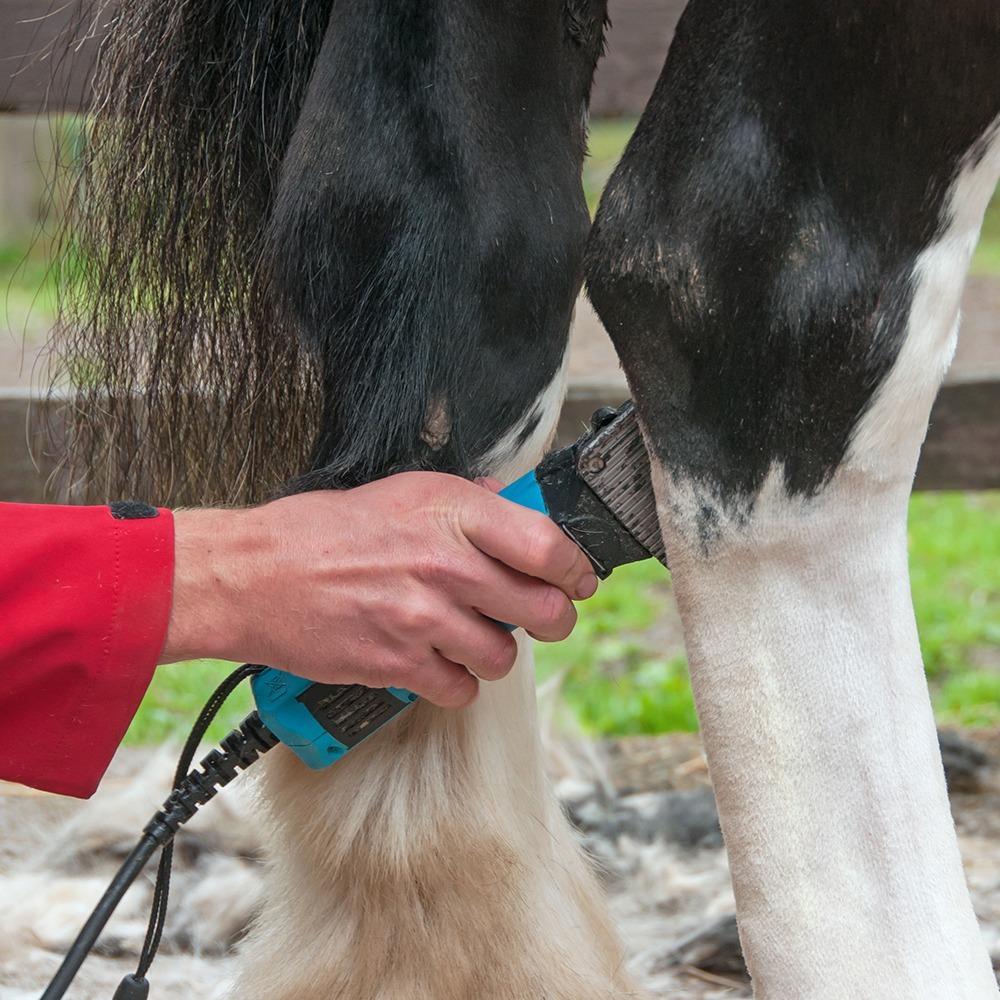
Will Clipping My Horse’s Legs Stop Them From Getting Mud Fever?
Clipping can help in some cases but it is not a guaranteed solution.
For heavily feathered horses clipping may:
- Allow better air circulation
- Make it easier to monitor the skin
- Help treatments reach the affected area
However feathers can also provide natural protection from mud. Removing them exposes the skin directly to wet conditions. The decision on whether to clip your horse's legs should be based on your horse’s individual situation, management and history of mud fever.
Is Mallanders and Sallanders the Same as Mud Fever?
No although they can look similar.
Mallanders behind the knee and sallanders in front of the hock are forms of hyperkeratosis meaning thickened scaly skin. They are most commonly seen in cobs and draft breeds.
While they are not the same as mud fever cracked skin from mallanders or sallanders can make a horse more vulnerable to secondary infections including mud fever.
Can Mud Fever Make a Horse Lame?
Yes and this is where mud fever becomes more serious.
If the infection penetrates deeper into the tissues it can lead to issues like cellulitis which is a painful and potentially severe bacterial infection of the deeper layers of skin.
Signs of cellulitis include:
- Sudden significant swelling of the leg
- Heat and pain
- Lameness
- Fever
- Lethargy
One way horse owners sometimes identify cellulitis is by gently pressing the swollen area with a finger. If the indentation remains for a few seconds and does not immediately spring back this can indicate fluid retention associated with cellulitis rather than simple swelling.
However this is only a guide and not a diagnosis. If you notice sudden swelling in your horse’s leg or you are unsure whether it could be cellulitis it is always best to contact your vet immediately as cellulitis requires immediate veterinary attention.
The Lasting Effects of Mud Fever
If treated early and correctly most cases resolve without long term problems.
However chronic or poorly managed mud fever can lead to:
- Thickened scarred skin
- Recurrent infections
- Permanent sensitivity
- Ongoing swelling
In some horses repeated episodes can cause long term changes in the skin that make future flare ups more likely.
What Is the Best Treatment for Mud Fever?
Treatment depends on severity but the general steps are:
1. Gently Clean the Area
Use a mild antibacterial wash like Hibiscrub. Avoid aggressively scrubbing as this can cause further trauma.
2. Carefully Remove Loose Scabs
Only remove scabs if they lift easily after softening. Forcing them off can cause bleeding and delay healing.
3. Thoroughly Dry the Legs
Moisture is the enemy. Pat dry with a clean towel.
4. Apply a Suitable Antibacterial Cream
Use a barrier based antibacterial cream to soothe the skin and prevent further infection. Protective creams such as Muddy Buddy Magic Mud Cream can also help maintain a barrier against moisture during recovery.
5. Reduce Mud Exposure
Stable the horse where possible until healing begins.
Severe cases may require veterinary prescribed antibiotics or anti inflammatories.
When Should I Contact the Vet?
You should contact your vet if:
- The leg becomes significantly swollen
- Your horse is lame
- There is heat and pain in the limb
- Your horse develops a fever
- The condition worsens despite treatment
- Mud fever is not improving after several days
Early veterinary intervention can prevent complications like cellulitis and long term damage.
Final Thoughts
Mud fever is one of the most common winter skin conditions horses face but it doesn’t have to become a seasonal nightmare.
Many horse owners spend winter constantly checking legs, brushing off mud and worrying about the next flare up. With proactive prevention protective barriers such as creams and drying powders turnout mud boots or chaps careful field management and early treatment you can dramatically reduce your horse’s risk.
Wet winters may be unavoidable but mud fever doesn’t have to be, make sure you're kitted out with all your equestrian essentials for wet, muddy weather.
Frequently Asked Questions
What is the main cause of mud fever in horses?
Mud fever is usually caused when wet, muddy conditions soften the skin on a horse’s lower legs, allowing bacteria such as Dermatophilus congolensis to enter and cause infection.
What does mud fever look like on a horse?
Mud fever often appears as scabs, crusty lesions, red or inflamed skin, hair loss, swelling, sore patches and sensitivity around the pasterns and heels.
Can mud fever go away on its own?
Mild cases may improve if the legs are kept clean, dry and protected, but mud fever can quickly worsen if left untreated. Early treatment is important to prevent pain, swelling and more serious infection.
Is mud fever painful for horses?
Yes, mud fever can be painful, especially if the skin becomes cracked, inflamed or infected more deeply. In severe cases it can lead to swelling, heat and lameness.
What is the best way to prevent mud fever?
The best way to prevent mud fever is to limit prolonged exposure to wet mud, keep legs as dry as possible, avoid over-washing and use protective barriers such as mud creams, powders, turnout mud boots or chaps where appropriate.
Do mud boots help prevent mud fever?
Yes, mud boots and mud chaps can help prevent mud fever by reducing direct contact between the horse’s skin and wet, muddy ground. They should fit correctly and be removed daily so the legs can be checked.
Should I wash mud fever every day?
Not always. Over-washing can strip the skin’s natural oils and make the problem worse. If the legs are muddy but dry, brushing the mud off is often better than frequent washing. If washing is needed, the legs should be dried thoroughly afterwards.
Can feathered horses get mud fever more easily?
Yes, feathered horses can be more prone to mud fever because thick feather can trap moisture and mud close to the skin. However, feathers can also provide some natural protection, so management needs to be tailored to the individual horse.
Will clipping a horse’s legs prevent mud fever?
Clipping may help some horses by improving air circulation and making it easier to monitor and treat the skin, but it does not guarantee prevention. In some cases, clipping can expose the skin more directly to wet conditions.
When should I call the vet for mud fever?
You should call the vet if the leg becomes very swollen, hot or painful, if your horse is lame or unwell, if there is a fever, or if the mud fever is not improving after several days of treatment.
Can mud fever cause lameness?
Yes, mud fever can cause lameness if the infection becomes severe or spreads deeper into the tissues. This can lead to complications such as cellulitis, which needs urgent veterinary treatment.
What products can help prevent mud fever?
Products that may help with prevention include protective creams such as Muddy Buddy Mud Protection Cream, drying products like Keratex Mud Powder, and turnout protection such as Premier Equine Turnout Mud Chaps, LeMieux Turnout Boots and Woof Wear Turnout Mud Boots.
