


Different Showing Classes Explained and What to Wear
If you’re new to the world of horse showing, all the different class types and dress codes can feel a bit overwhelming. But don’t worry Country & Stable is here to help!
This beginner-friendly guide breaks down the most common showing classes, explains what they involve and covers what you and your horse should wear to make the best impression and hopefully bring some rosettes home.
What Horse Show Should I Enter?
If you’re reading this, the chances you’re not a seasoned show goer, so this guide to horse showing is aimed at novices attending unaffiliated, local shows. We will highlight the key points of each class to help you choose which show is best suited to you and your horse.
Helpful Horse Show Terms
Turnout: This refers to the overall presentation of both horse and rider. Horses should be well-groomed and riders should wear the appropriate attire for their class. For more tips on achieving turnout perfection, visit our blog.
Conformation: This means the horse’s physical structure including balance, muscle tone, soundness and overall shape. It plays an important role in many judged classes.
In-hand Classes: In these classes, the horse is shown from the ground. The handler leads the horse to demonstrate its conformation and movement.
Ridden Classes: These involve the rider being mounted. The horse is judged under saddle, focusing on paces, manners and suitability for the specific class type.
Different Show Classes: Horse Turnout and What to Wear
In-Hand Showing
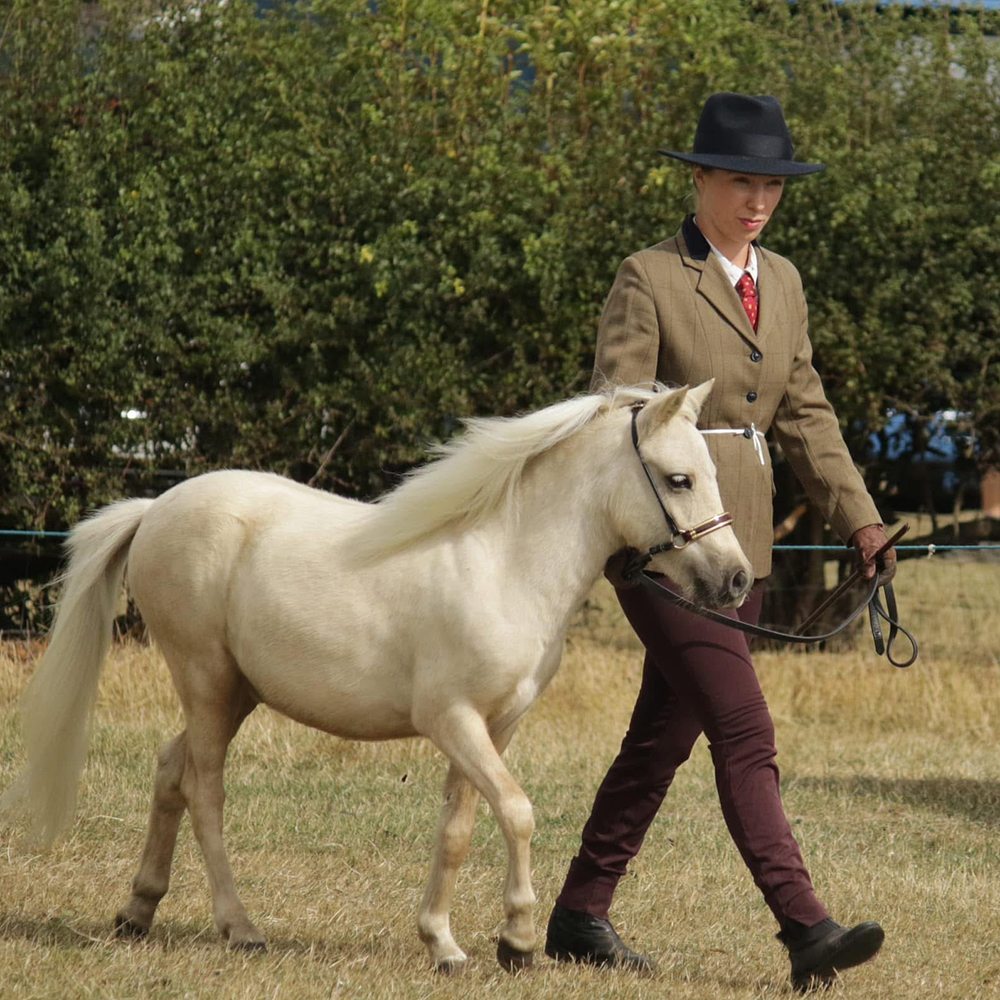
In-hand showing means the horse is led from the ground and judged on movement and conformation. It’s a great place to start if you or your horse haven’t shown before, as it helps you both get used to the environment and observe a variety of class types.
Common In-Hand Classes
There are several types of in-hand classes, including:
Youngstock – For horses and ponies around 2 to 3 years old
Veteran – Usually for horses and ponies over 15 years old
Breed – Shown according to breed standards (e.g. cob, Thoroughbred)
Part Bred / Cross Bred – For horses and ponies of mixed breeding
Coloured – For horses with piebald, skewbald or other distinctive markings
Best Condition / Turned Out – Judged mainly on the presentation of both horse and handler
Sports Horse – For horses with potential for competition
In-Hand Show Hunter – For horses with the build and type of a traditional hunter
Mountain and Moorland – Horses and ponies native to Britain
What to Wear for In-Hand Classes
What you wear depends on the class, but in general, you should aim for a smart and professional appearance. Your horse should also be turned out to a high standard.
What to wear for In-Hand Showing:
- Tweed jacket or waistcoat
- Shirt and tie
- Smart fitted trousers or a knee-length skirt in a colour that contrasts with your horse’s legs (e.g. light trousers for dark legs)
- Short jodhpur boots or Chelsea boots
- Bowler hat, hunter cap, trilby or wide-brimmed hat - or a riding hat for safety, especially with young or unpredictable horses
- Brown or black gloves
- Show cane or in-hand whip if required for your class (riding ponies, hacks, show hunters, coloured, part bred)
- Hair should be tidy and tied back if long
- Jewellery should be kept to a minimum and subtle
Horse Turnout for In-Hand Showing
- Your horse should be clean, well-groomed and presented according to the class type
- Shiny, clean coat
- Neatly trimmed, unless natural condition is expected (e.g. Mountain & Moorland)
- Hooves oiled or polished
- Tack or halter clean, simple and well-fitted
- No mud, stains or stray hairs
Should my Horse Wear a Bridle or Headcollar for Inhand Showing?
Whether your horse should wear a bridle or headcollar depends on their age and type:
| Horse Type | Youngstock (under 3) | Horses & Ponies over 3 |
| Show Horse / Riding Pony | Leather headcollar or in-hand bridle | In-hand bridle with a bit |
| Mountain & Moorland | Rope or show halter (natural look) | Rope halter or plain in-hand bridle |
| Cob | In-hand bridle with plain bit | In-hand or traditional bridle |
| Sports Horse / Hunter | In-hand bridle with snaffle bit | In-hand or double bridle |
Mountain & Moorland Ridden
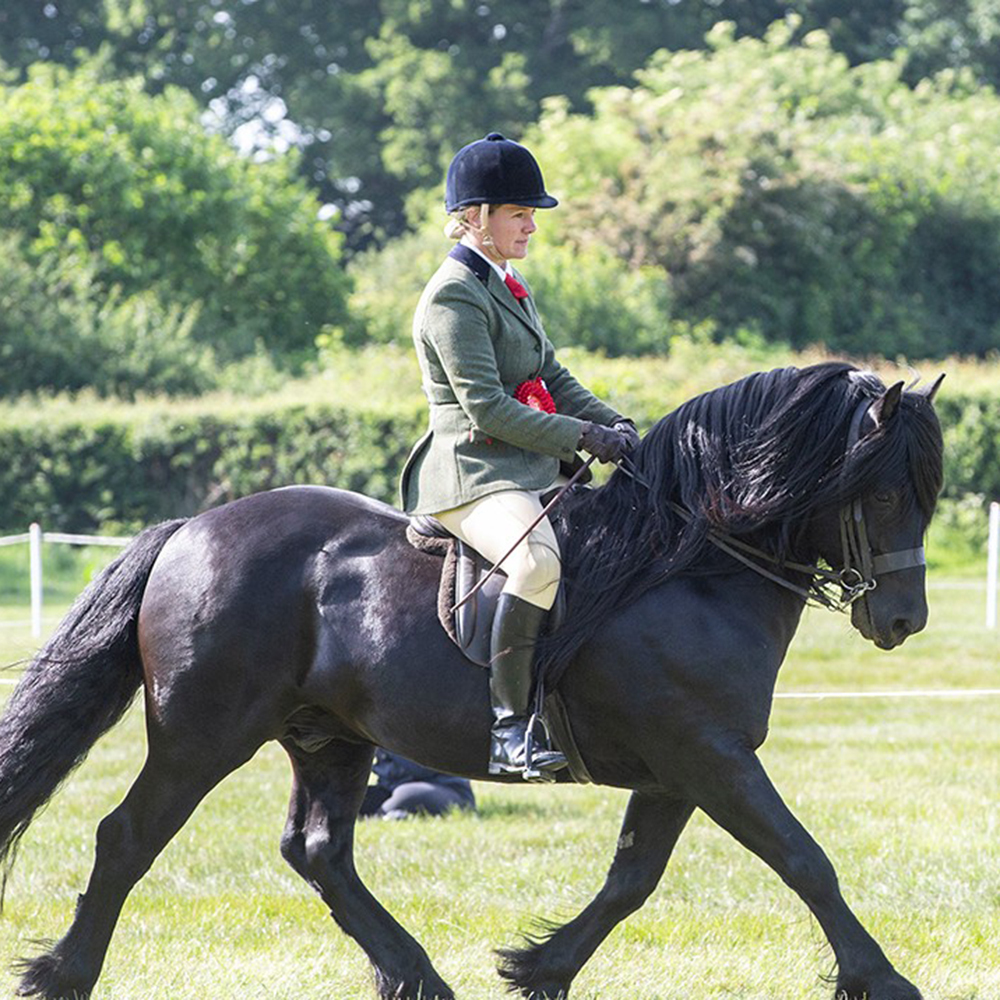 Image courtesy of Sarah Lee
What is Mountain & Moorland Showing?
Ridden Mountain & Moorland classes are for native British pony breeds and are all about showing them in their natural state. You’ll ride in a group with other competitors, demonstrating walk, trot and canter, followed by a short individual show. The judge looks for good manners, correct movement and how well your pony represents its breed. These classes are typically divided into small breeds and large breeds.
Small Mountain & Moorland breeds include Shetland, Exmoor, Dartmoor and Welsh Section A and B.
Large Mountain & Moorland breeds include Connemara, Highland, Dales, Fell, New Forest and Welsh Section C and D.
What horse/pony can be entered into Mountain & Moorland:
- Must be a registered native breed of the British Isles.
- Should be sound, well-schooled and well-mannered under saddle.
- Can be any age but must be mature and fit enough for group riding and individual shows.
What to wear for Ridden Mountain & Moorland Show
- Riding hat – either a traditional velvet hat or skull cap with plain black, navy or brown velvet silk
- Tweed show jacket
- White shirt with a tie
- Buff, cream or fawn breeches (not white)
- Black or brown riding boots – traditionally jodhpur boots for small breeds, long boots for large breeds
- Brown, fawn or tan gloves
- A show cane or whip is allowed but must not exceed 75cm – spurs are not allowed
Horse Turnout and Tack for M&M Classes
Turnout should be tidy but natural, with details based on your pony’s breed. Always check the rules for your specific breed class – the National Pony Society is a good reference.
- Coat should be clean and well-groomed
- Mane, tail and feathers should be left natural but tidy
- Plain brown bridle with a plain browband
- Use a snaffle for novice classes
- Use a double or pelham bit for open classes
- Saddle should be straight-cut or a working hunter style
- Numnah or saddle pad should be either not used or very discreet – ideally matching the saddle or your horse's colour
- Matching stirrup leathers & traditional stirrups
First Ridden Show
What is a First Ridden Class?
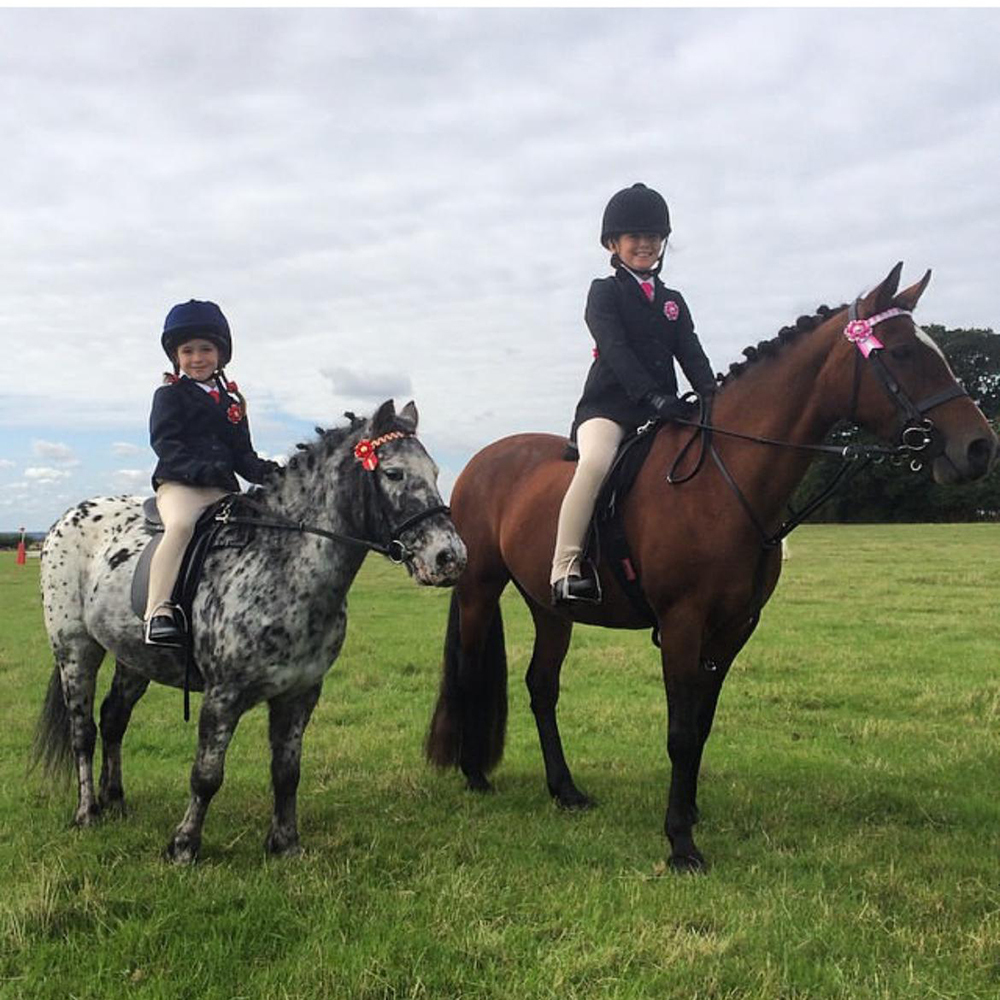
First Ridden is a class designed to introduce young children to ridden showing. It’s often the next step after Lead Rein and gives riders their first chance to demonstrate control and independence. Riders are judged on position, control and the pony’s manners and movement.
What ponies can enter First Ridden?
- Usually for small ponies under 13.2hh.
- Well-mannered and safe for novice child riders.
- Should be steady, obedient and capable of walk and trot work (canter may be optional or individual only).
What to Wear for a First Ridden Class:
- Tweed or navy show jacket
- Shirt with tie
- Cream or beige jodhpurs
- Traditionally, jodhpur boots without chaps would be worn
- Navy velvet riding hat
- Brown or fawn gloves
- Hairnet or tidy hairstyle - girls with long hair can wear two plaits
- Subtle accessories and no jewellery
Pony Turnout and Tack for First Ridden:
- Mane neatly plaited
- Tail pulled or plaited depending on type
- Clean coat and polished hooves
- Bridle with plain cavesson noseband and suitable bit (often snaffle)
- Saddle should be well-fitted and safe - show or GP type
- Numnah should match pony’s coat or saddle, kept subtle
- No martingales or gadgets - simple, clean presentation
Working Hunter
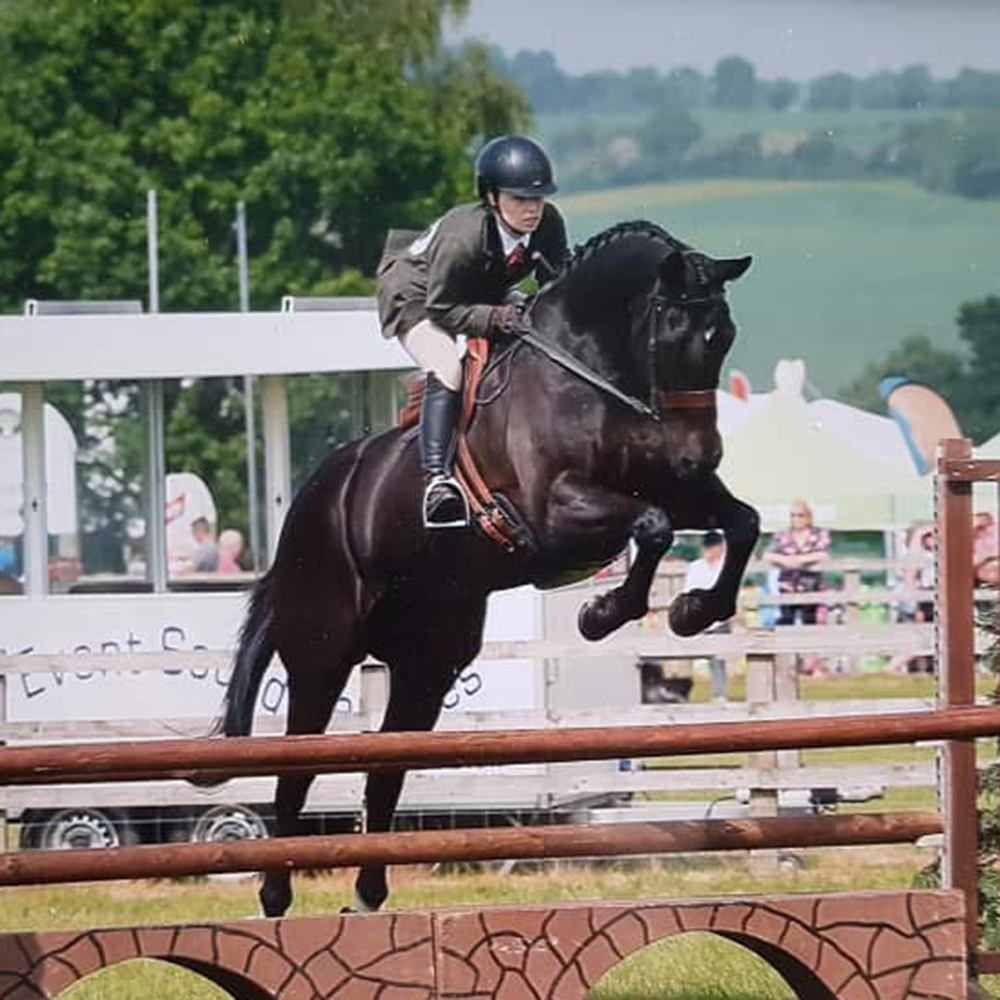
What is a Working Hunter Class?
Working Hunter classes test both jumping ability and flatwork. Riders complete a short course of rustic fences, followed by a group ride and an individual show. Horses are judged on conformation, performance over fences and way of going.
What horses can enter Working Hunter?
- Should be athletic, well-schooled, and capable of jumping calmly and accurately.
- Must have correct conformation and soundness.
- Ideal types include Irish Sports Horses, native crosses or eventer-style horses.
- Split into Horse and Pony sections and by fence height or experience level (novice/open).
What to wear for Working Hunter Show:
- Tweed jacket
- Shirt and tie
- Cream or fawn breeches
- Long black boots
- Velvet riding hat or skull cap with silk
- Brown gloves
- Whip or cane (under 75cm)
- Spurs allowed in open classes (if appropriate)
Horse Turnout and Tack for Workinhg Hunter:
- Plaited mane (or hogged if Cob type)
- Neatly pulled/trimmed tail
- Tidy, clean coat
- Working hunter bridle with cavesson noseband
- Snaffle, pelham or double bit (depending on class)
- Jumping or working hunter saddle
- Discreet saddle pad to match coat or tack
- Clean and polished boots or no boots (if allowed)
Ridden Veteran Class
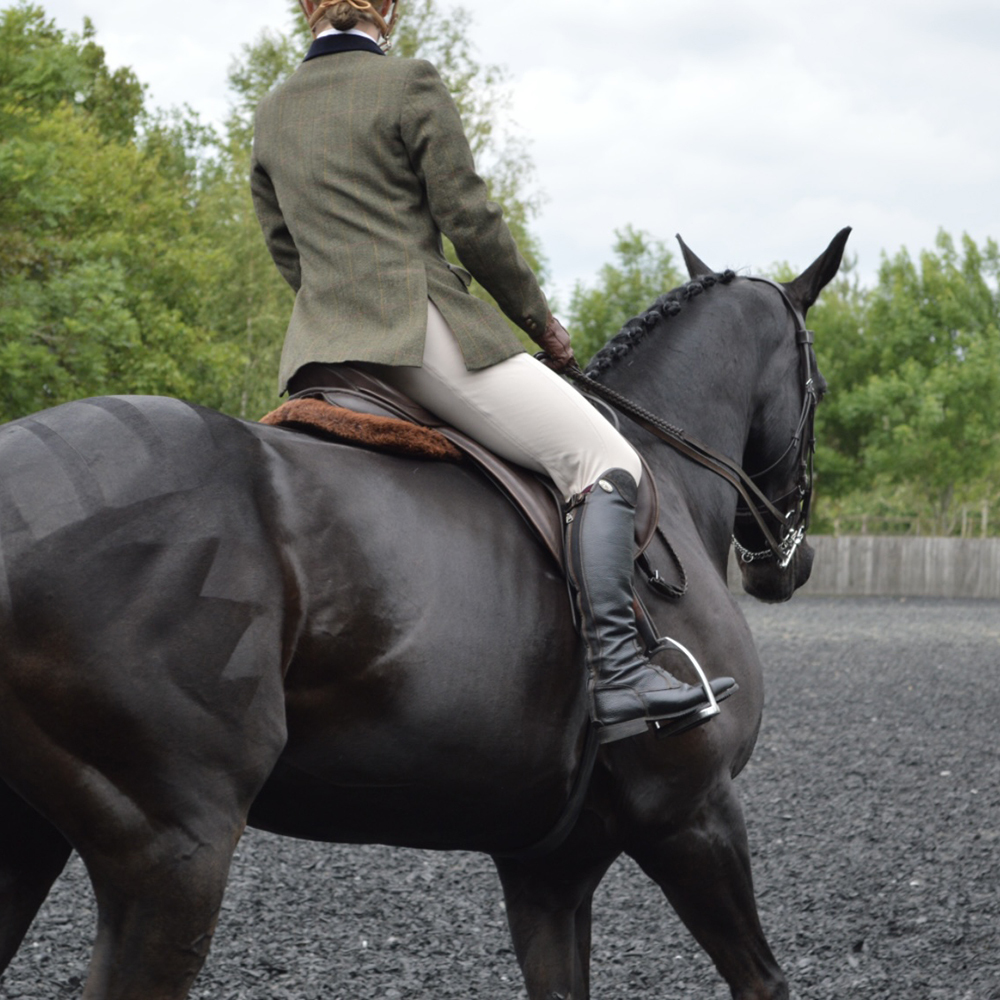
What does Veteran Class Mean?
This class is designed for older horses (often aged 15 or over) who are still active and sound under saddle. You’ll ride in a group and perform an individual show demonstrating basic paces and manners.
What is a Veteran Horse?
- Veteran horses must meet the minimum age requirement (usually 15+, sometimes split into 15–19 and 20+).
- Should be healthy, sound and able to comfortably complete a short flatwork show.
- Can be any type or breed.
What to wear for a Veteran Class at a Horse Show:
- Tweed or traditional show jacket
- White shirt with tie
- Cream or beige breeches
- Long or short boots depending on breed/type
- Navy velvet hat or traditional skull cap
- Neatly tied back hair
- Subtle gloves and optional cane
Horse Turnout and Tack for Veteran Class:
- Either plaited or left natural depending on type
- Clean, healthy appearance
- Neatly trimmed tail and legs
- Bridle suitable for type with snaffle, pelham or double
- Well-fitting saddle (show or GP style)
- Numnah to match saddle or coat
- Older horses should still be presented as active and capable
Coloured Class
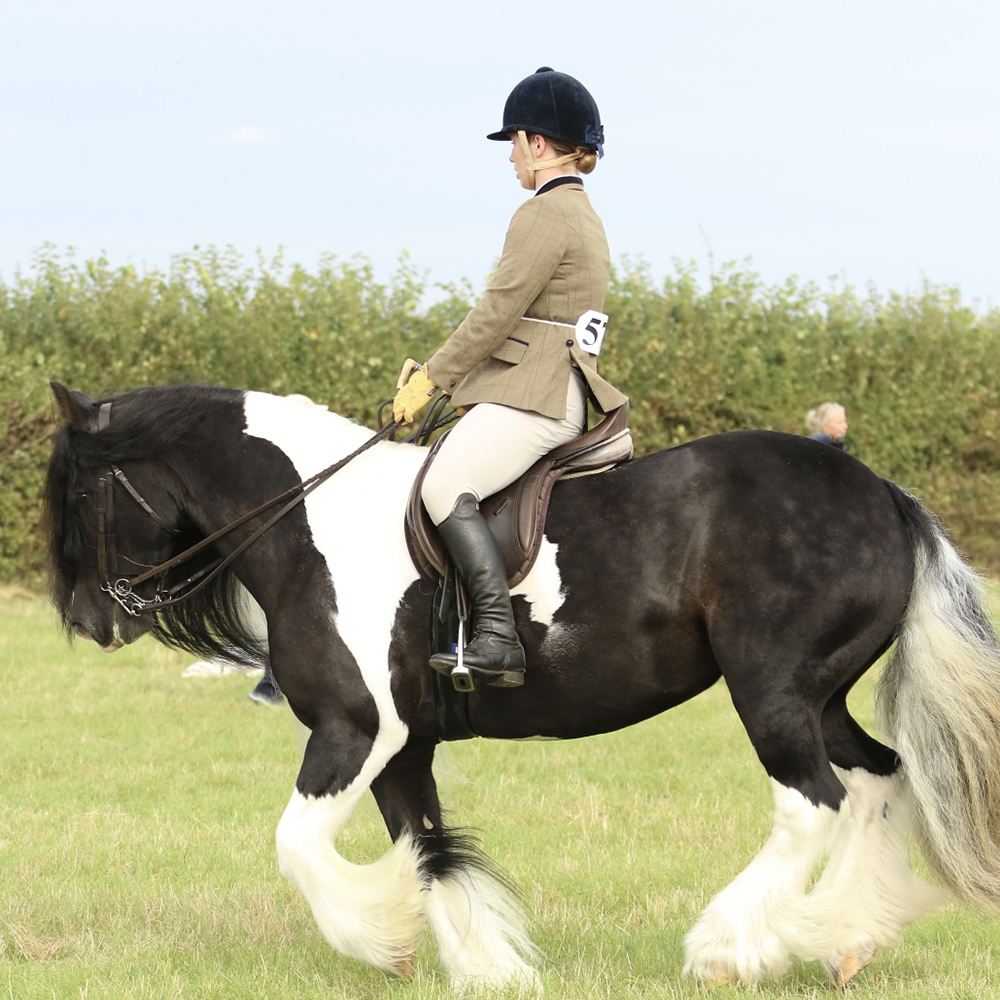
What the Coloured Class Involves:
Coloured classes are all about showcasing your horse’s markings and overall quality. Judging is based on conformation, movement and presentation. May include in-hand and ridden sections.
Horse Eligibility:
- Must be a coloured horse or pony (piebald, skewbald, spotted or uniquely marked).
- Classes often split into Native/Traditional (shown in natural state) and Non-Native (plaited, show style).
- Can be any height, age or breed.
Rider Outfit for Coloured Class:
- Tweed jacket for natives/traditionals
- Navy or black jacket for plaited types
- White shirt and tie
- Cream or fawn breeches
- Jodhpur or long boots depending on type
- Navy or black velvet hat or skull cap
- Gloves and cane (optional)
Horse Turnout and Tack for Coloured Class:
- Traditional/Native types: Full mane, feathers and tail left natural and clean
- Non-Native: Mane plaited, tail pulled, clean trimmed appearance
- Bridle: Plain for natives; show bridle with cavesson for plaited
- Bit: Snaffle, pelham or double depending on experience
- Saddle suited to type, with subtle numnah
- Coat should be clean with clear markings and polished hooves
Hunters & Show Cobs
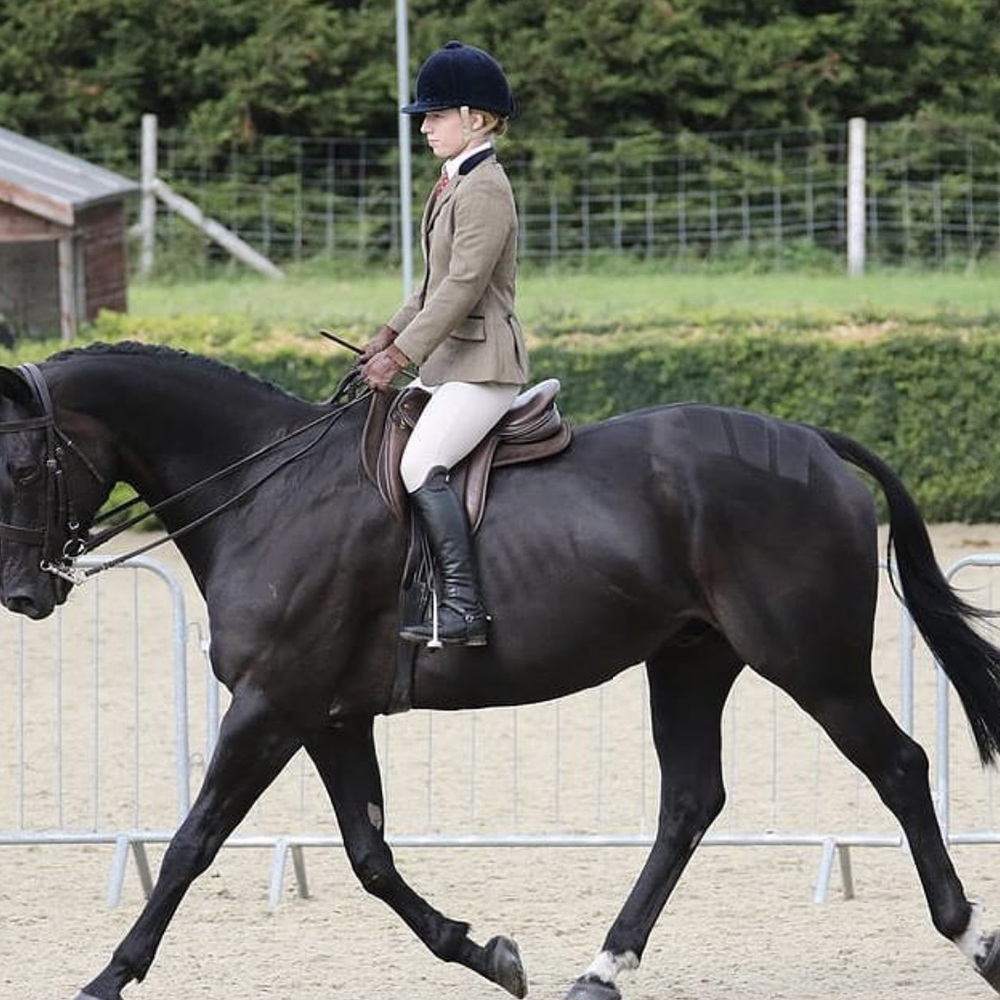
What the Class Involves:
The Hunter or Show Cob is a flat ridden class where your horse is judged on movement, manners and overall suitability for traditional hunting. Riders will complete a group ride followed by an individual show (usually including walk, trot, canter and a gallop extension if asked). Cobs are judged similarly, focusing on substance and temperament.
What horses can enter Hunter or Cob Classes?
- Hunters should be strong with good bone and correct conformation.
- Cobs should be short, stocky and powerful – usually under 15.1hh.
- Horses are often split into Lightweight, Heavyweight and Maxi Cob sections.
- Must be well-mannered and obedient under saddle.
What to wear for Hunter or Cob Classes at a Show:
- Tweed jacket
- White shirt and coloured tie
- Buff or beige breeches
- Long black boots with garter straps
- Navy or black velvet riding hat
- Brown or black gloves
- Cane (under 75cm) optional
Horse Turnout and Tack for Hunter and Cob Show:
- Mane plaited (Cobs may be hogged)
- Tidy tail and neatly trimmed
- Legs trimmed and neat
- Hunter-style bridle with flat cavesson noseband
- Pelham or double bridle
- Show or working hunter saddle
- Numnah should match saddle or coat colour
ROR (Retraining of Racehorses)
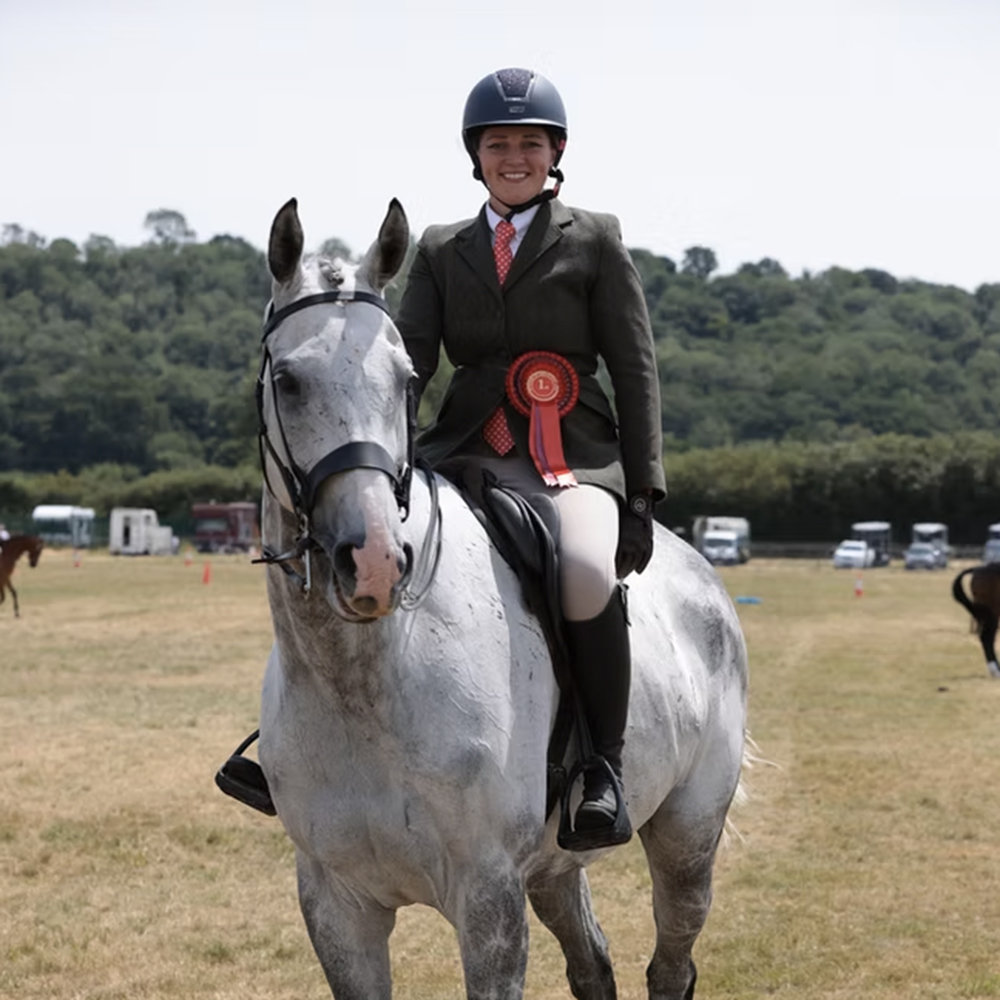 Image courtesy of Sophie Spiteri - Spiteri Retraining
What RoR the Class Involves:
These classes celebrate former racehorses now retrained for a new career. You’ll complete a group ride and an individual show and some classes include a jumping phase. Judges assess manners, movement and transformation from racehorse to riding horse.
What horses can enter RoR?
- Must be registered with ROR and have raced under recognised rules.
- Typically Thoroughbreds, aged 4+ and sound for flatwork.
- Some classes include a performance or jumping element.
What to wear for RoR showing:
- Tweed jacket (for showing) or navy jacket (for ROR Riding Horse type)
- Cream or fawn breeches
- Shirt and tie
- Long black boots
- Navy velvet riding hat or skull cap
- Gloves and optional cane
Horse Turnout and Tack for RoR:
- Mane plaited and tail pulled
- Coat clean and neat
- Show bridle (cavesson or flat noseband)
- Bit: Snaffle for novice, pelham or double for open
- Neat, well-fitted saddle (show or GP style)
- Saddle cloth/numnah should be discreet
- Overall turnout should be polished
To learn more about Retraining of Racehorses (RoR), check out Sophie Spiteri, who specialises in retraining racehorses and helping them transition into new homes after their racing careers end. Sophie takes a compassionate and thoughtful approach, guiding these intelligent horses into their next chapter and helping them find their forever homes. Follow her on Facebook to stay updated and learn more about her work.
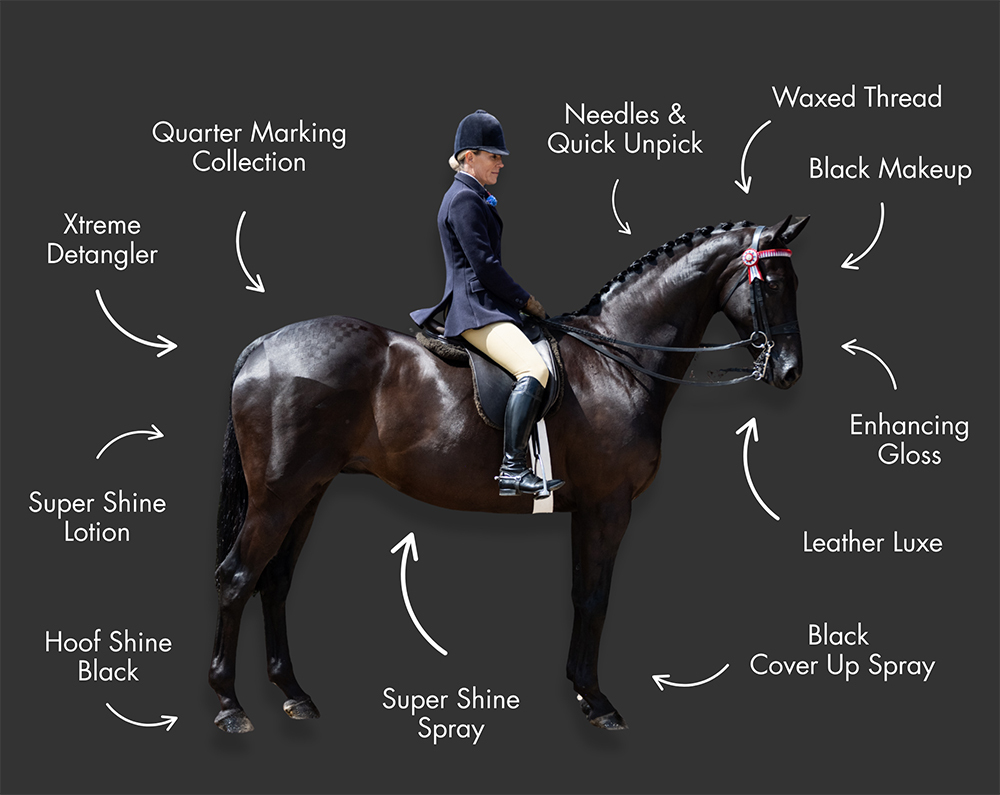
Image courtesy of Smart Grooming
Riding Horses and Show Hacks
What is a Riding Horse or Show Hack Class?
These sophisticated ridden classes focus on grace, movement and presentation. Riders perform group work and an individual show that highlights smooth transitions and quiet, elegant riding.
What horses should enter a Riding Horse Class?
- Hacks: Finer horses typically under 15.3hh.
- Riding Horses: Light, well-balanced types usually 15hh–16.2hh.
- Horses must have excellent manners and stylish, flowing movement.
- Should be well-schooled and polished in appearance.
What to Wear for Riding Horse Class at a Horse Show:
- Tweed for Riding Horse and Navy or black show jacket for Show Hack
- White shirt with stock or tie
- Pale breeches (cream or beige)
- Long black boots with garter straps
- Navy or black velvet riding hat
- Cane and gloves
- Hair in tidy bun or hairnet
Horse Turnout and Tack for Show Hack and Riding Horse Classes:
- Neatly plaited mane and tidy tail
- Trimmed and clean coat
- Double or pelham bridle with plain or fancy browband
- Show saddle (close contact, showing type)
- No or very discreet numnah
- Overall elegant, polished and graceful presentation
Tack and Turnout Differences Between Hack and Riding Horse Classes:
While both classes require a highly polished appearance, there are subtle differences in presentation:
- Show Hacks typically wear a more decorative browband (e.g. velvet or crystal) and may carry a finer, lighter cane.
- Riding Horses often use a more workmanlike tack with a coloured browband.
- Tack remains similar, but a closer-fitted show saddle may be seen more in hacks to show off the horse’s frame.
- Riders in hack classes tend to adopt a more refined, classical position and turnout, while Riding Horse competitors might show slightly more forward riding styles.
Ensure your horse is show-ring ready with Smart Grooming Products. From tail rakes to super grooming mitts, these essentials will have you turning heads and bringing home the rosettes.
Top Show Clothing Picks
To help you pick your outfit, we’ve highlighted some of our favourite, affordable show clothing for women:
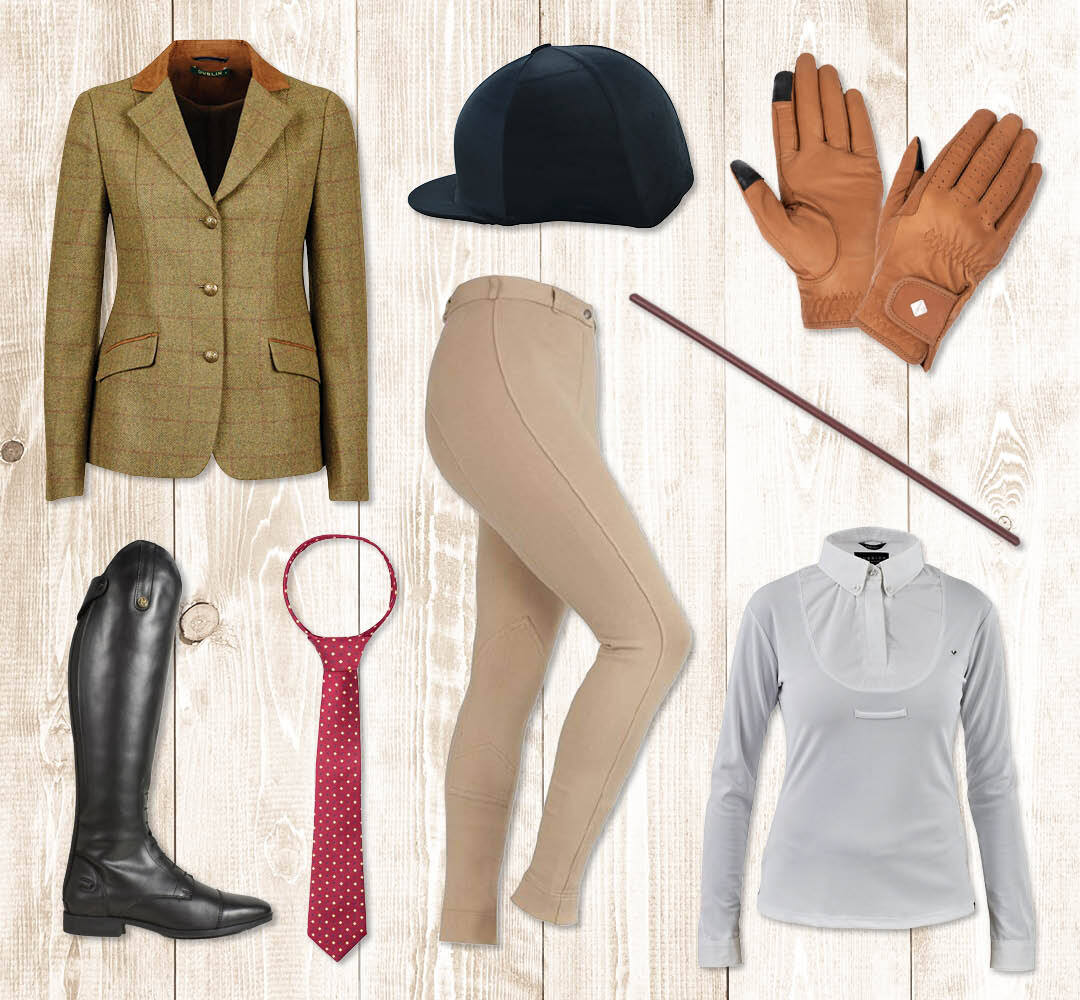
Dublin Ladies Abany Tweed Show Jacket
Aubrion Long Sleeve Show Shirt
Feeling ready for your horse show?
If you’re just starting out, don’t worry about having everything brand new, many riders begin with borrowed or second-hand show gear and there’s absolutely no shame in that. Ask a friend, check local groups or Facebook Marketplace and build your kit as you grow. But if you want to treat yourself or your horse to some smart, new show clothing and are ready to take home those ribbons then check out our collection competition clothing and equipment.
It’s completely normal to feel a little nervous if you’re new to showing but focus on enjoying the day, learning something new and making special memories with your horse. Everyone has to start somewhere and win or lose, just getting out there is a huge achievement. Good luck - you’ve got this and remember to have fun!
