



What Is a Horse Rug?
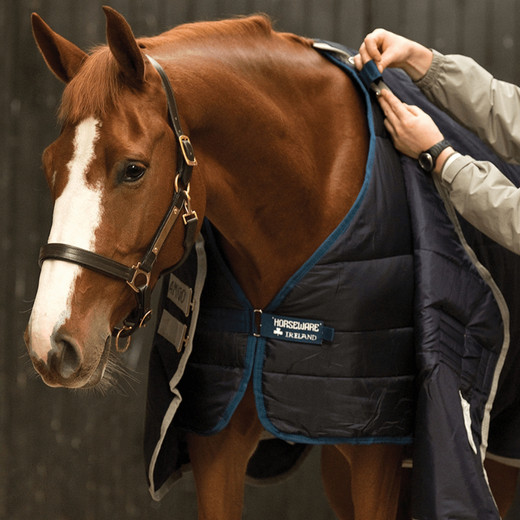
A horse rug or 'blanket' is essentially a coat/jacket for your horse - offering protection, warmth and comfort through every season. With different weights, designs and materials available, there’s a rug to suit every horse and every type of British weather.
Types of Horse Rugs
Fly Rugs
Lightweight mesh rugs designed to keep flies and insects at bay during the warmer months. Usually light-coloured to reflect heat, some even feature zebra stripes to confuse flies - smart and stylish!
Turnout Rugs
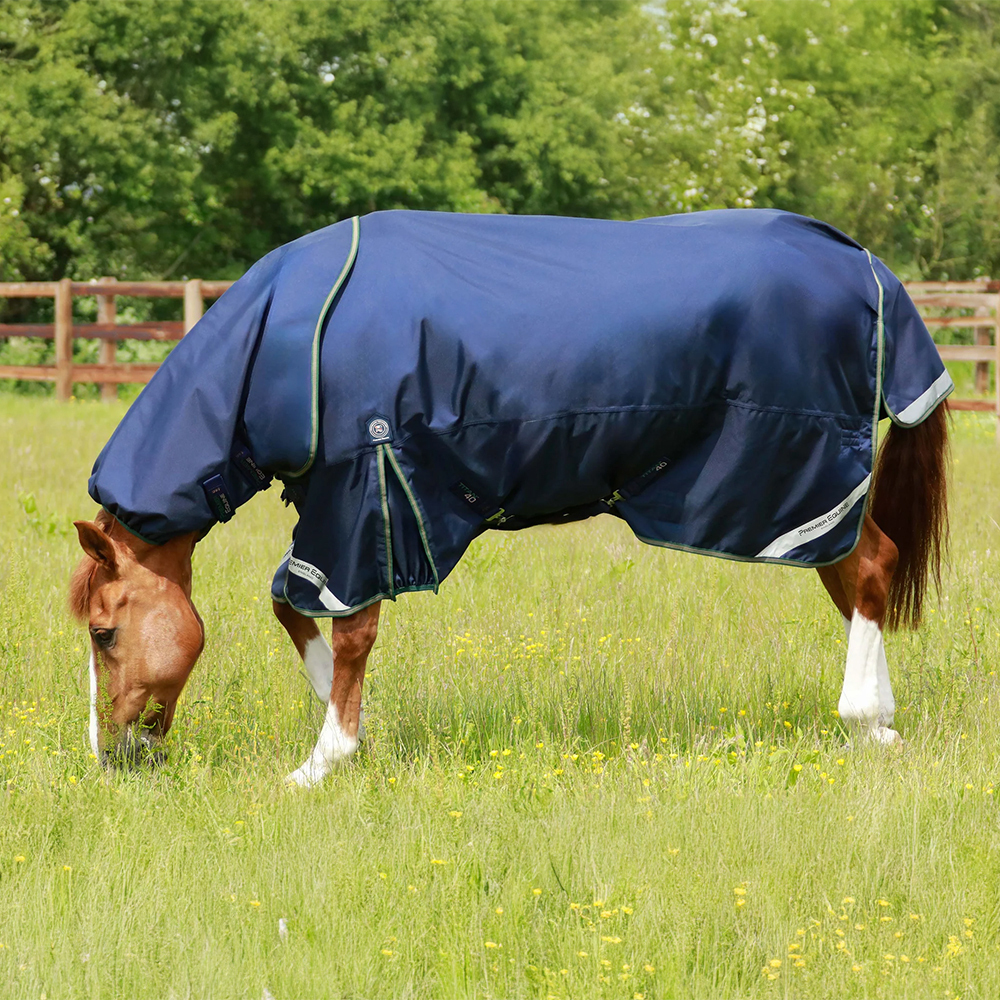
Outdoor essentials built to handle unpredictable British weather. Waterproof and durable, turnout rugs come in weights from 0g to 500g and in a variety of neck styles - neckless, full neck, wug or detachable neck which enable you to adapt as the weather changes.
Stable Rugs
For indoor use. While not waterproof, stable rugs come in different weights and neck types, sometimes with fleece or faux fur linings for added cosiness.
Coolers and Fleeces
Perfect for after exercise, bathing, travelling or sudden showers. These moisture-wicking rugs help regulate your horse’s temperature and prevent chills.
Rug Liners
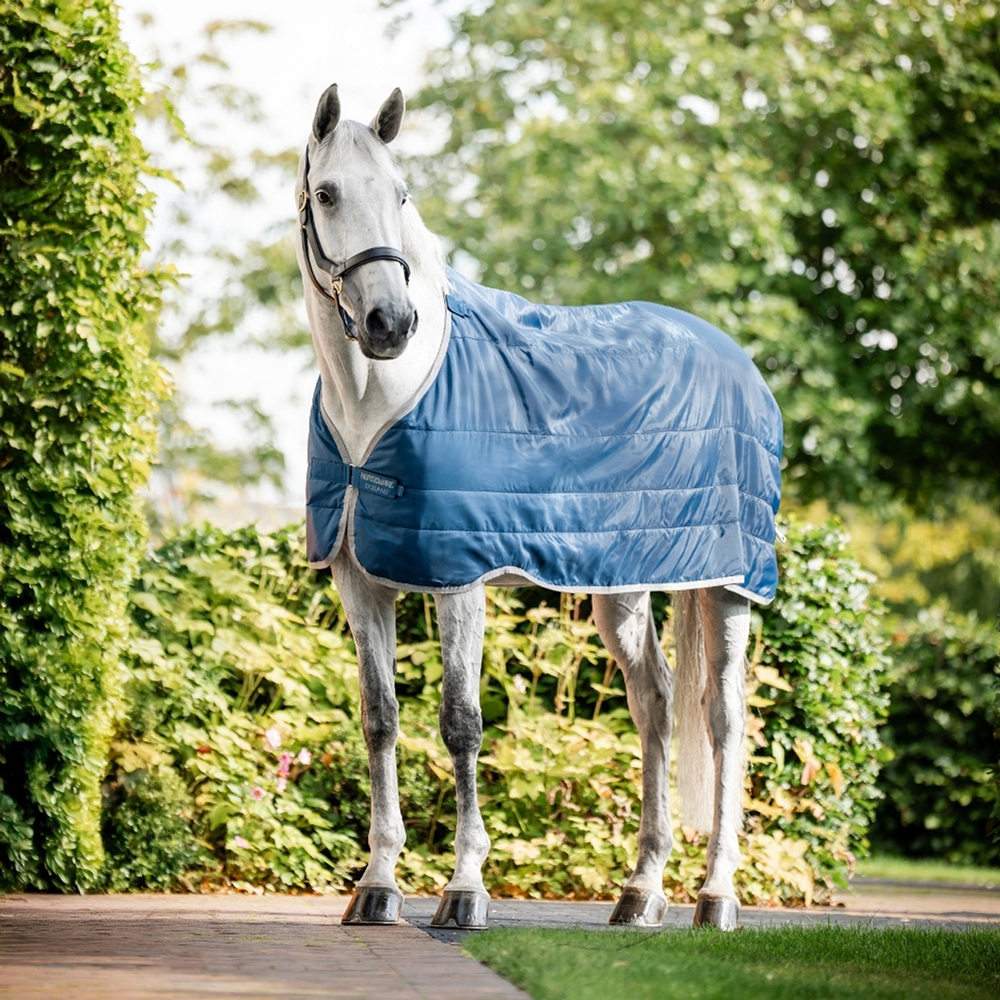
Rather than layering multiple rugs (which can slip), liners attach neatly inside stable or turnout rugs, adding extra warmth without bulk. They come in different weights, clip or Velcro into place and are a brilliant way to adapt to changing conditions without buying several heavyweight rugs.
What is Denier in Horse Rugs?
Denier refers to the thickness and durability of the outer fabric’s threads. A higher denier = stronger fabric, ideal for horses prone to rug wrecking in the field.
200D–400D → Low–medium durability (typical for stable rugs)
600D → Medium durability (budget or lightweight turnout rugs; best for calm horses)
900D–1200D → Mid–heavy durability (a balanced option for most horses)
1680D+ → Heavy-duty (ideal for herd turnout or ‘rug wreckers’)
What is Ripstop?
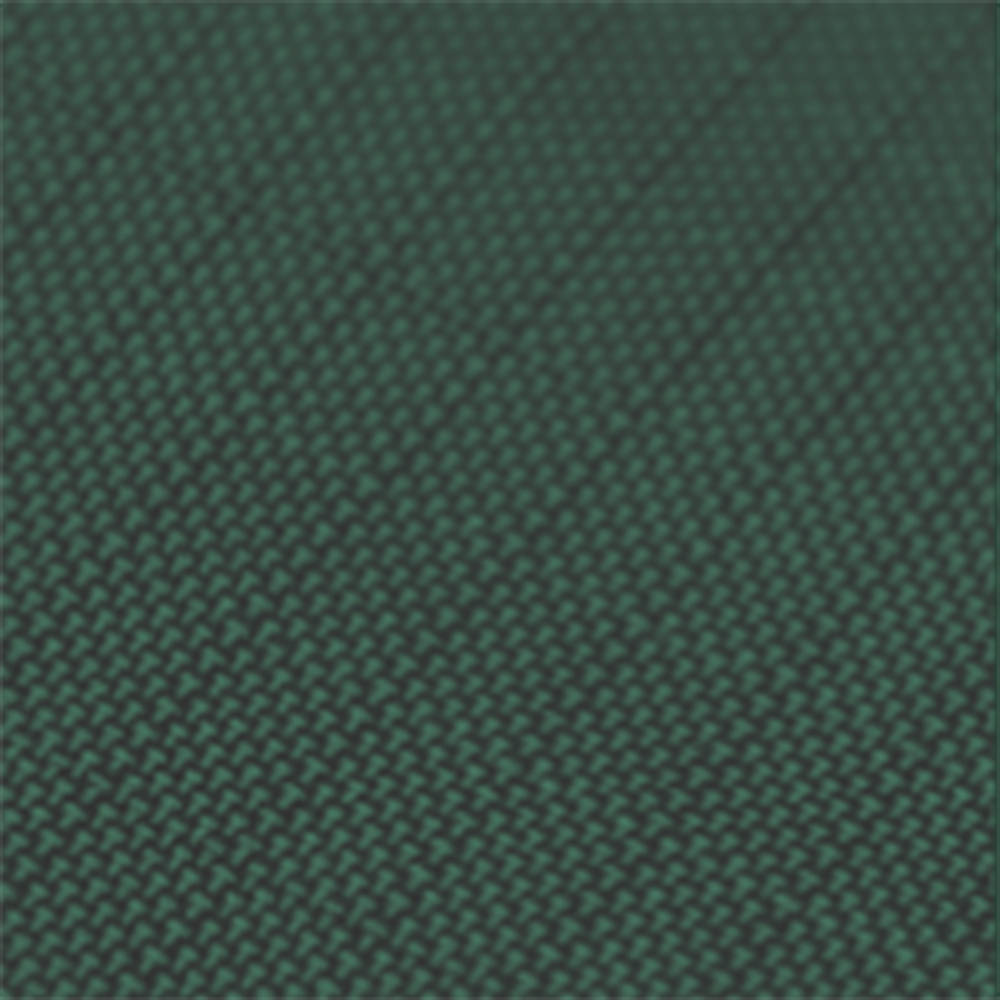
Ripstop refers to a weaving technique that is used on the outside layer of the rug. It involves using reinforced threads between the usual tread at regular intervals to map out a square or hexagon pattern on the outer layer of the rug and creating a visible pattern.
When the rug is snagged or ripped, the reinforced ripstop weave means that the damage will only travel to the edge of the particular square or hexagon, stopping at the reinforced threads, making the damage easier to repair and preventing the whole rug from being damaged. If you have a horse who is prone to ripping rugs on brambles or when playing with field mates, Ripstop can help contain any damage and prevent multiple costly replacements.
Although ripstop increases the durability of a rug and helps to contain any damage, it does not prevent rips from occurring altogether. For a really durable rug, look for one that combines a high denier with Ripstop.
Horse Rug Fill Weight Explained
The fill weight tells you how warm a rug is. Measured in grams per square metre of insulation, the higher the number, the warmer the rug. Think of it like your duvet, not the total weight, but the filling’s warmth.
Horses are better at warming up than cooling down, so avoid over-rugging, which can cause overheating and health issues.
Which Weight Rug Should I put on my Horse?
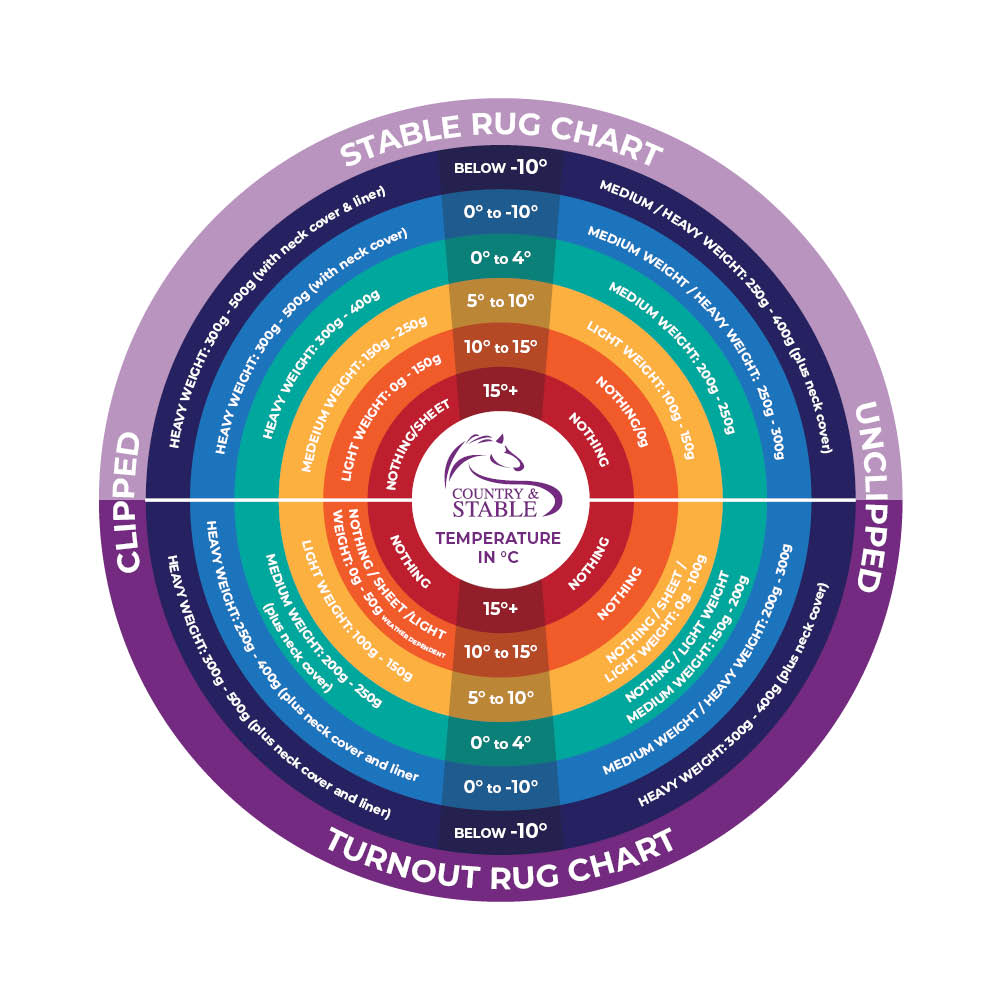
This is the age-old question, without a standard answer. The rug weight you need for your horse depends on numerous factors, like age, breed, body condition, coat condition, time of year and medical conditions. For example, an elderly horse with a low body condition would have very different rugging needs than a middle-aged, fat, fluffy Shetland pony. Horses are also very good at warming themselves up when needed but find it much harder to cool themselves down. Over-rugging can lead to overheating and pose serious health risks.
It’s important not to humanise your horse too much when thinking about rugging. Just because you are cold doesn’t mean your horse is, too. That said, there are times when rugging is necessary. For example, clipped horses lose their natural insulation and may need extra warmth. Additionally, extreme weather conditions may mean your horse requires a rug to stay warm and comfortable.
If you're unsure about which rug to choose for your horse based on temperature, our simple guide can help you make the right choice. Download our handy Rug Weight Chart.
Horse Rug Design Details
Getting to know the features of a rug helps you choose the right one for your horse’s shape and lifestyle.
Common Types of Chest Fixings:
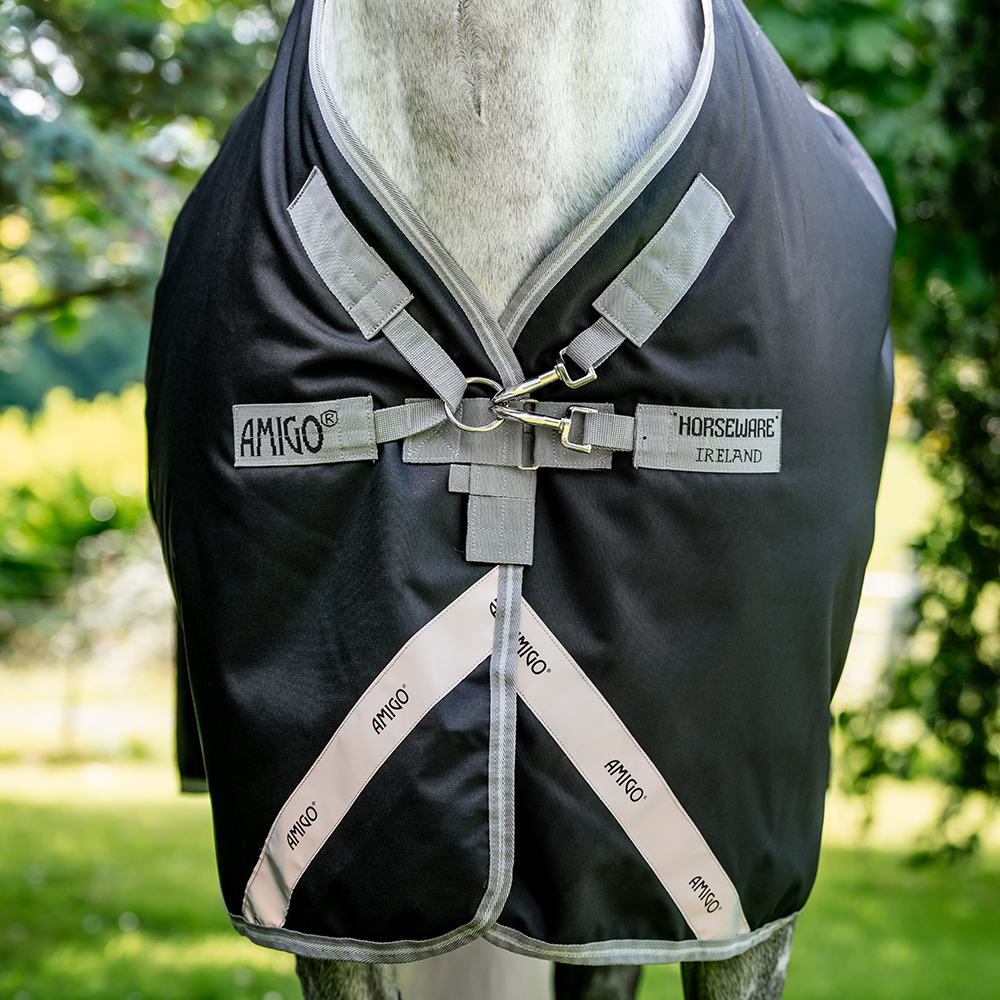
-
Single front – Simple and quick, often found on lightweight or stable rugs.
-
Double front – Two buckles or clips for a more secure fit, especially on turnout rugs.
-
V-front – A shaped fastening (often with quick clips) that gives greater freedom at the shoulder and wither.
-
Straight bar front – A sturdy, fixed bar system that provides even pressure and prevents the rug from gaping or twisting at the chest.
-
Disc front – A newer, lightweight alternative using a circular plastic or rubber disc instead of traditional buckles. It’s great for horses that dislike bulk at the chest and is easy to fasten even with gloves on.
Fastening Styles & Materials:
-
Traditional buckles – Reliable and adjustable but take a little longer to do up.
-
Quick-release clips – Found on many modern turnout rugs; they snap together quickly and are ideal for busy winter mornings.
-
Velcro tabs – Often used in combination with buckles or clips for extra security and to keep the front snug. Some rugs feature double or even triple Velcro panels for an extra-close fit that keeps drafts out.
Whichever style you choose, make sure your rug sits flat against the chest without pulling or gaping. A well-fitting front helps prevent rubbing, slipping, and uneven wear keeping your horse comfortable.
Neck Types
- Standard (neckless) – Ends at the withers. Good for mild weather.
- Full neck – Extends to the poll; ideal for clipped horses or wet weather.
- Detachable neck – Flexible coverage; add or remove as needed.
- Half neck – Styles like the Horseware Wug offer extra warmth without full coverage.
Surcingles
Surcingles are the belly straps that keep the rug secure.
- Single – Common on stable rugs.
- Cross surcingles – Standard on turnout rugs; provide extra stability.
- Elasticated – Allow movement while keeping a snug fit.
Check regularly to ensure they’re neither too tight (which can rub) nor too loose (which can slip and cause accidents or injury).
Shoulder Pleats, Skirts & Tail Flaps
- Shoulder pleats/gussets – Give more freedom of movement and reduce rubbing.
- Skirts – Overlapping panels at the back for extra coverage without restricting movement.
- Tail flaps – Shield the quarters from wind and rain — a British winter must-have!
Rug Maintenance and Care
Your rugs work hard; a bit of upkeep ensures they last season after season.
- Professional Cleaning – End-of-season washes keep rugs fresh and preserve waterproofing.
- Smart Storage – Reuse the original bags; store rugs clean and dry in seasonal batches.
- Repairs – Tackle small rips and broken buckles early.
- Fit Checks – A well-fitting rug reduces rubbing, tearing, and discomfort.
Always check your rug manufacturer’s warranty and care advice before washing or reproofing - following their guidance helps your rugs last longer and stay in great shape.
Horse Rug FAQs
Can I layer rugs?
Layering isn’t ideal as it can lead to slipping and tangled straps. Instead, use rug liners designed to fit safely inside your existing rugs.
How long will my turnout rug stay waterproof?
Waterproof coatings wear over time, especially in heavy rain. Reproof annually and care for your rugs properly to maintain their waterproof qualities. Membrane-lined rugs last longer but still need drying and proper storage.
How do I know if I need a new rug?
Look for: Persistent leaks or pooling water stiff, faded fabric large tears or missing fittings. Also if your rug does not fit your horse properly you must buy them one that fits correctly to avoid rubs and injuries.
Final Thoughts
Choosing the right horse rug isn’t just about warmth - it’s about fit, fabric strength, design features and proper care. With the right combination of denier, neck type, secure chest fixings, well-adjusted surcingles and clever details like pleats and tail flaps, your horse will stay snug, dry and comfortable throughout the changing seasons. And with regular maintenance, your rugs will serve you well year after year. After all, a warm, dry, happy horse is the best thank-you you’ll get.
Discover more tips on keeping your rugs in top condition in our handy guide to caring for your horse rugs.
